
Last updated November 16, 2026
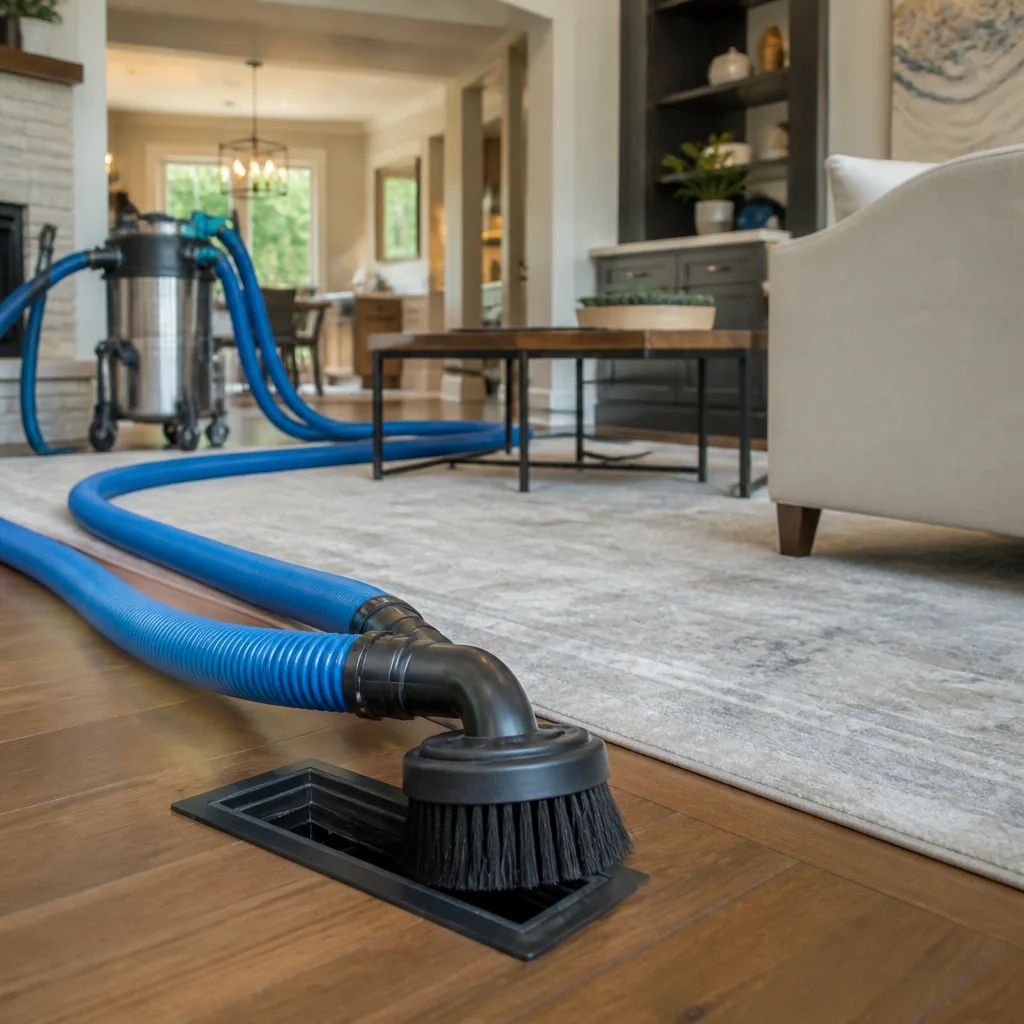 Whole-home duct cleaning
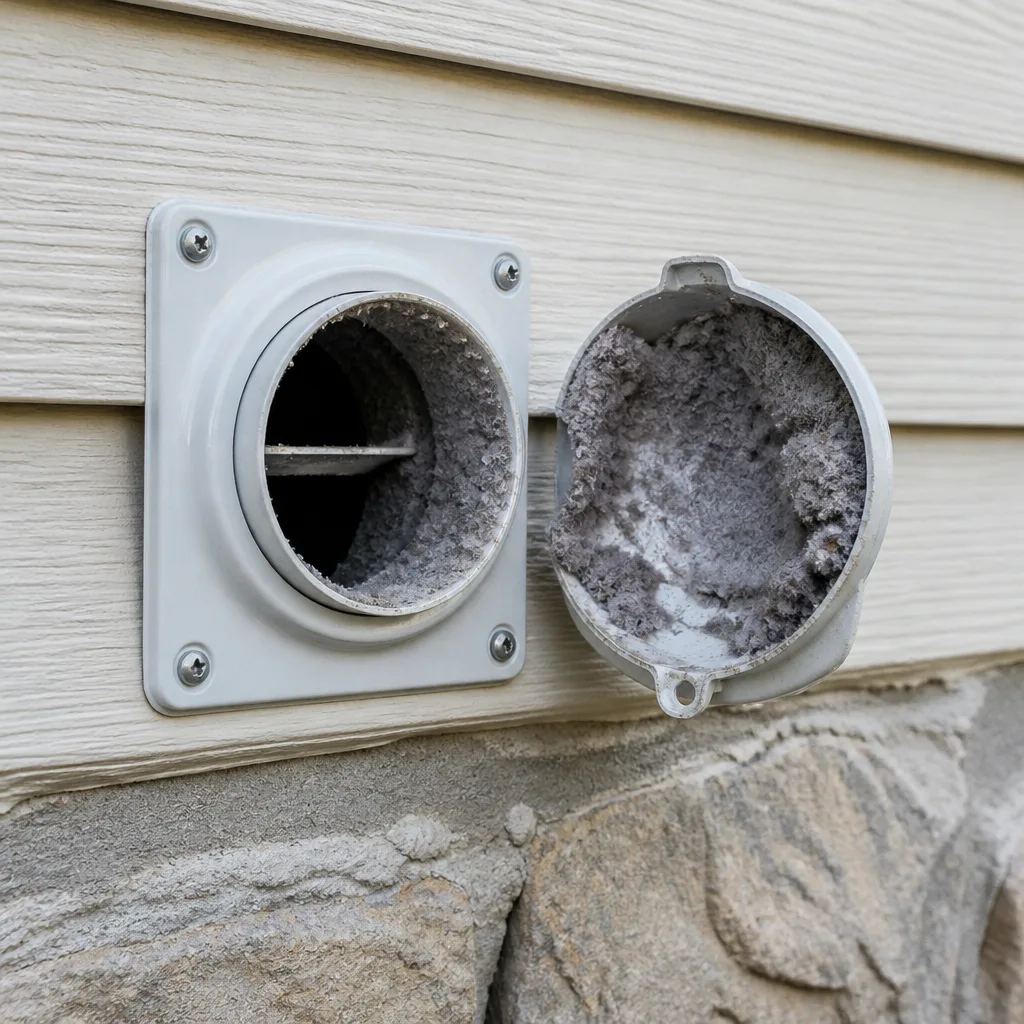 Dryer vent cleaning
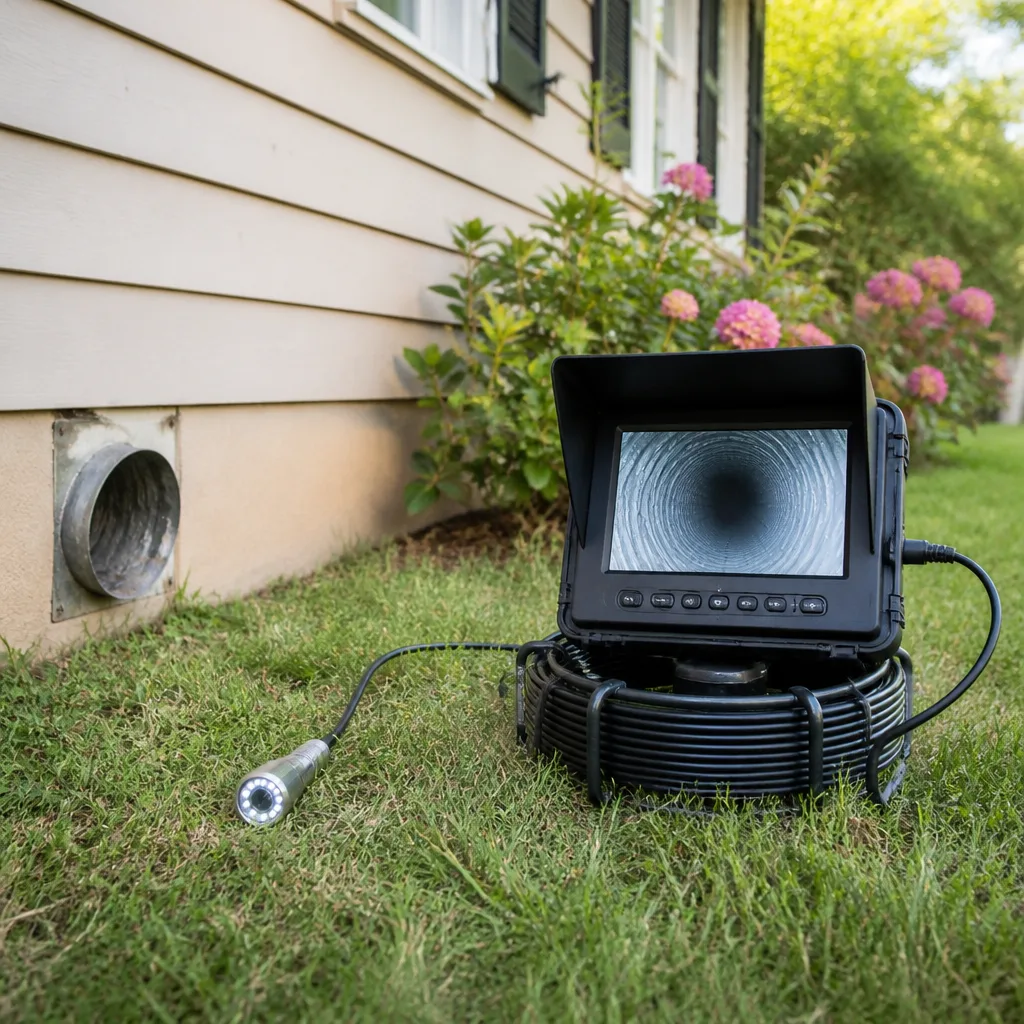 Camera inspection
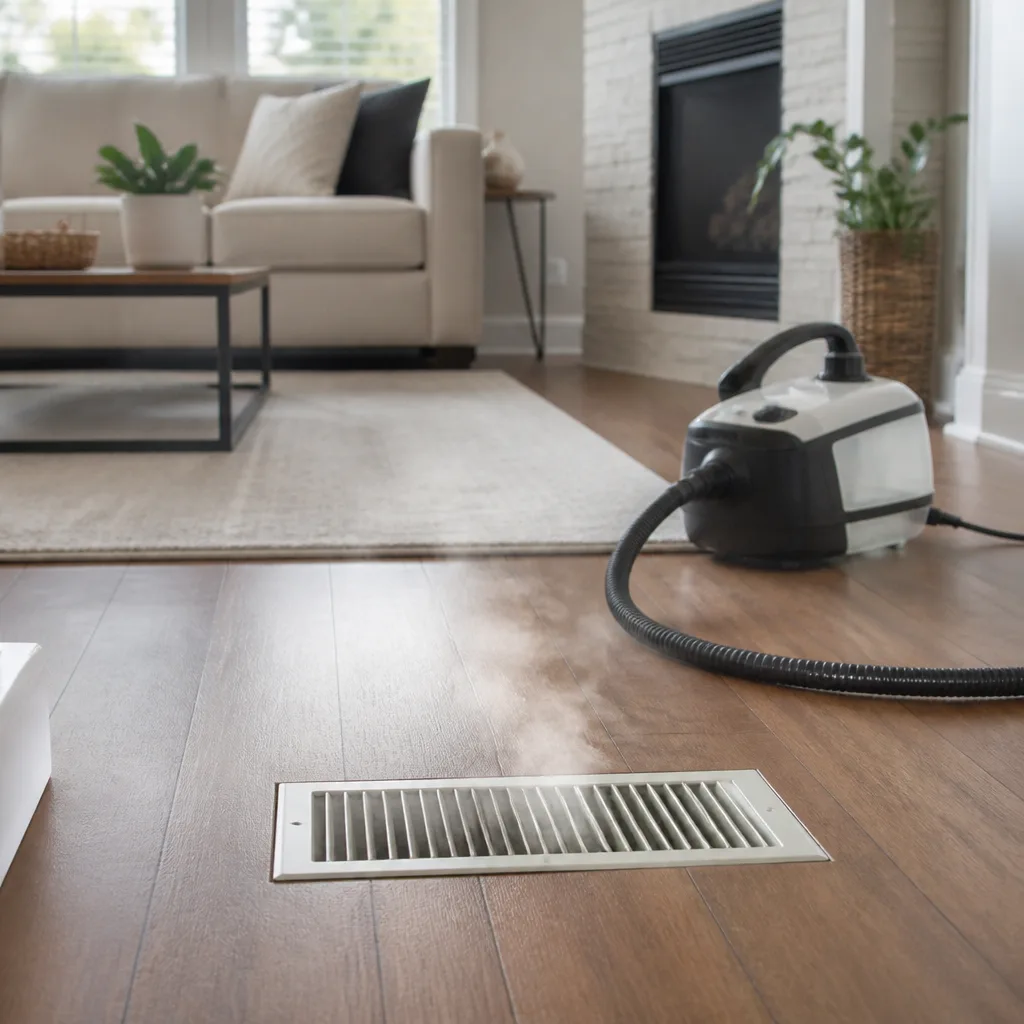 Sanitizing & deodorizing
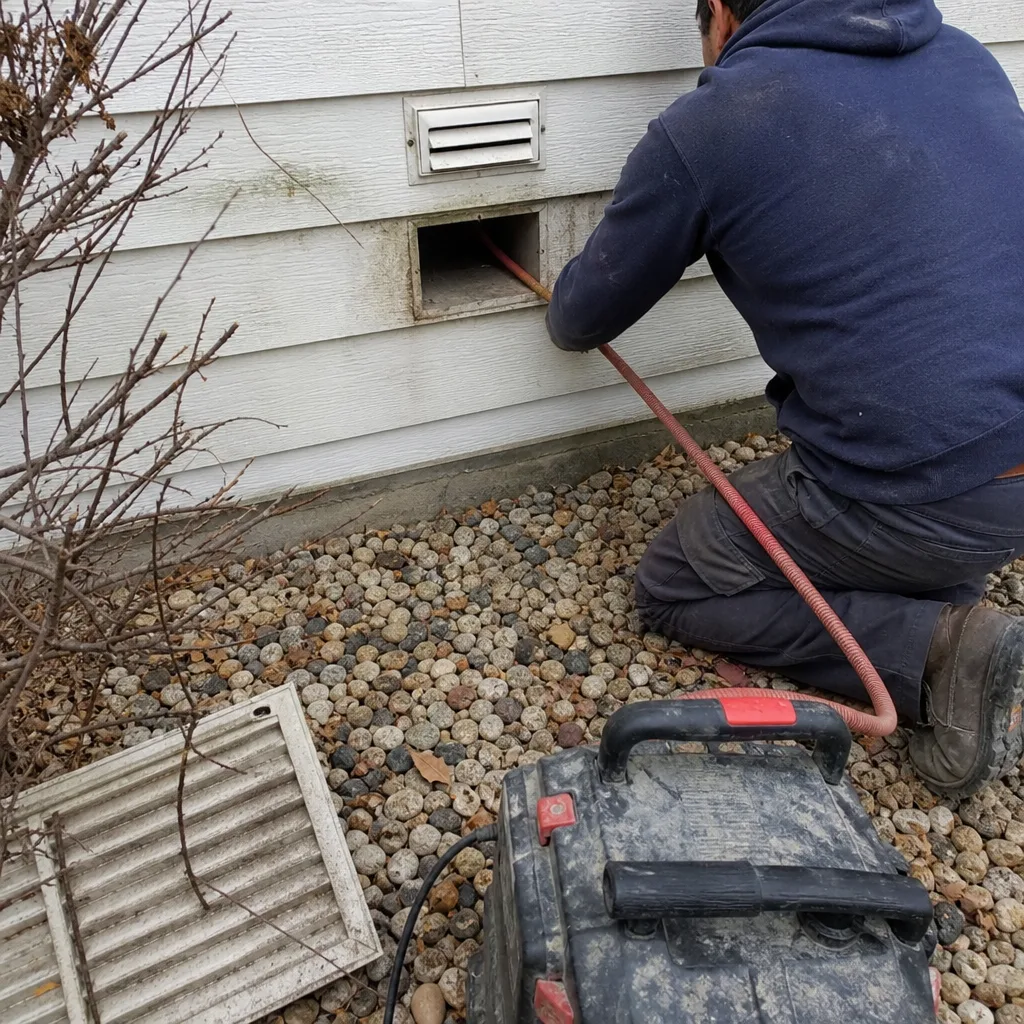
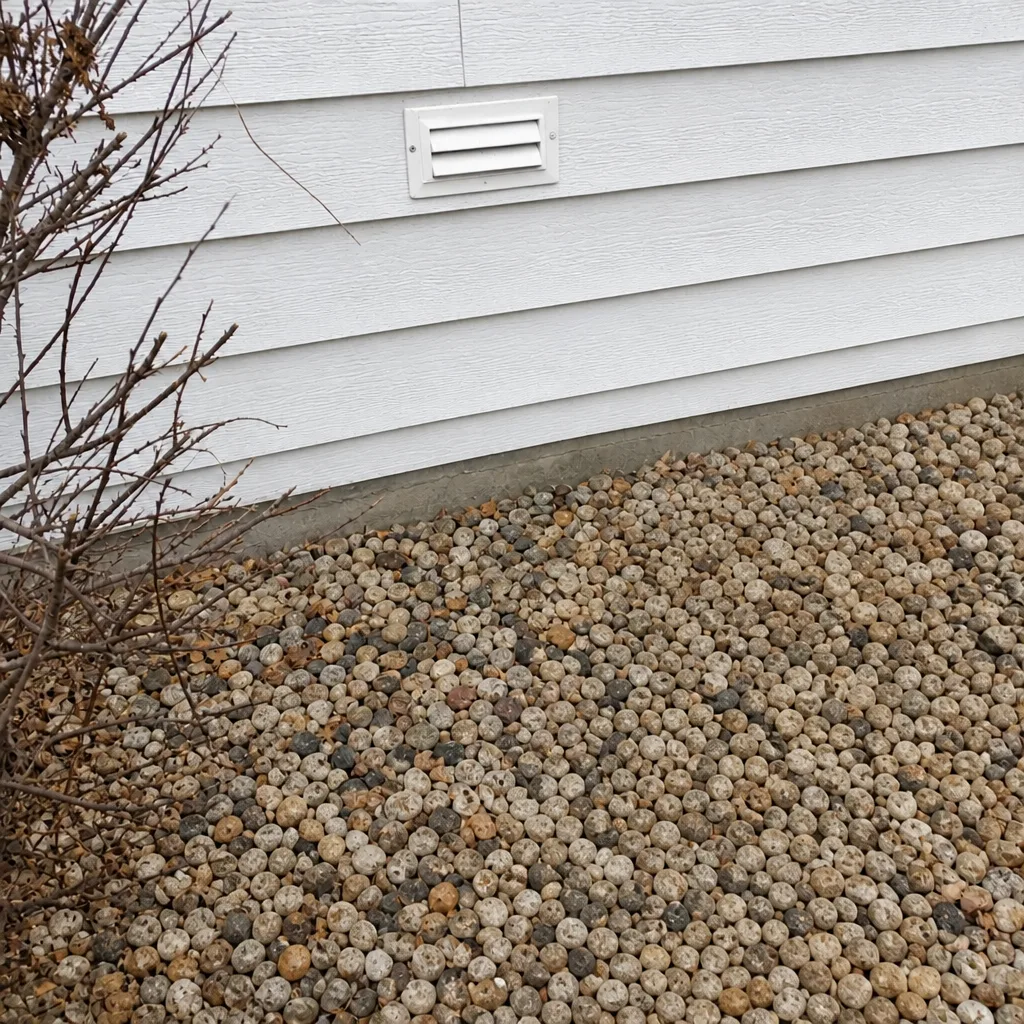
Whole-system duct and dryer vent check with before-and-after photos - you see exactly what came out of your vents
That "$99 whole-house special" is a bait ad - the real number appears once they are in your hallway, or the "clean" is a shop-vac at the register. We photograph the inside of your ducts before and after instead.
Air Duct Cleaning Warning Signs: An Elgin Homeowner’s Reference Guide
Most duct cleaning warning signs get listed as obvious symptoms: dust on the furniture, a musty smell in the hallway, heating bills that creep upward. Those matter, but they’re late signals. The more reliable indicators are mechanical, quiet, and easy to miss until the system is already underperforming. In this guide we cover both the signs everyone knows and the ones you probably haven’t thought to check, from sudden filter loading and room-to-room airflow imbalance to what pest activity leaves in a duct system and how the fine dust from a recent renovation behaves differently at the filter. Written from Elgin, by people who work on duct systems there.
Quick Answer
The clearest warning signs that your Elgin home needs air duct cleaning are a filter that clogs far faster than it used to, uneven airflow between rooms, dust that reappears at the registers days after cleaning, and a persistent odor that changes with the heating or cooling cycle. A single one of these is usually worth an inspection; two or more together typically point to debris buildup, a duct breach, or both.
Styles & brands we work with
- Whole-home duct cleaning
- Dryer vent cleaning
- Camera inspection
- Sanitizing & deodorizing
Table of Contents
- The Filter Loading Sign Most Homeowners Miss
- Airflow Imbalance Between Rooms as a Structural Clue
- Normal Register Dust vs. Active Contamination
- What Pest Activity Leaves Behind (and Why It Changes the Job)
- Post-Renovation Dust: Finer, Stickier, Harder to Capture
- Reading Odors: Mold, Rodent, and Combustion Smells
- The Mechanical Inspection Checklist for Elgin Homes
- Why Equipment Choice Decides What Actually Gets Removed
The Filter Loading Sign Most Homeowners Miss
A sudden jump in how fast your furnace filter loads is one of the earliest reliable signs of a problem inside the duct system. If a filter that used to last 60 days now clogs in three weeks, the system is almost certainly pulling in unconditioned, unfiltered air somewhere downstream of the filter housing. That’s the tell. The filter is doing its job; it’s just being fed more particulate than it was designed to handle.
In our experience, this pattern shows up two ways in Elgin homes. First, a filter that clogs uniformly is usually just overloaded with normal household dust. Second, a filter that clogs unevenly – heavier on one side, or with a distinct dark stripe – points to a localized breach: a joint that has opened, a boot that has pulled away from a floor register, a run that has been crushed or disconnected behind a wall. That broken section is drawing air from a crawlspace, an attic, or a wall cavity instead of from the living space, and everything it pulls in arrives at the filter.
Walk through the system in this order when you suspect a breach:
- Record the date every time you change the filter. Three changes in a row gives you a trend, not a guess.
- Look at the loaded filter before you throw it out. Even, all-over gray is normal. Streaks, dark edges, or one-sided loading suggest an opening somewhere in the system.
- Check every return air grille for loose screws, torn gaskets, or visible gaps around the frame.
- Compare the filter’s loading rate to the season. Elgin’s cold winters mean the furnace runs more, and a modest increase in loading during a heating season is expected. A sharp increase that doesn’t track with the season is the signal worth acting on.
An air duct repair inspection is what identifies exactly where the breach is. Cleaning a leaking duct system before you fix it just means the debris gets pulled back in after the crew leaves.
Airflow Imbalance Between Rooms as a Structural Clue
Rooms that never reach the thermostat setting – while others in the same house get too warm – are usually blamed on the thermostat, the furnace, or a closed damper. Often, the real cause is inside the duct system. Uneven airflow between rooms is one of the best early indicators of a blockage, a collapsed flex run, or a duct section that has separated from its register boot.
Here’s what makes it worth checking. When a duct run is disconnected or crushed, the air it was supposed to carry has to go somewhere. Some of it escapes into the wall or floor cavity, and some of it backs up and gets pushed into the nearest healthy run. The result is a room that’s consistently starved and a room next door that’s consistently over-served – a pattern that stays the same no matter how the thermostat is set.
The Elgin housing stock produces a few common versions of this:
- Older two-story homes with retrofitted forced-air systems often have duct runs that were added after the rooms were built, and the joins behind finished walls are the first to open.
- Homes with lengthy ranch-style layouts push long trunk lines through unconditioned or semi-conditioned space, which stresses seams in winter temperature swings.
- Finishing a basement sometimes means a return duct gets moved or shortened, and the upstairs balance changes as a result.
A practical test: hold a tissue against each supply register while the system runs. The tissue should be pulled firmly toward the grille on every one. If one register barely holds it while the register in the next room pulls it tight, you’ve documented an imbalance without any tools. Record which rooms are starved and which are over-served, and note whether the pattern changes when you switch from heating to cooling. That record is worth more to a technician than any verbal description.
Normal Register Dust vs. Active Contamination
Every register collects dust. That alone doesn’t mean you need duct cleaning. The distinction that matters is whether the dust is a surface film that keeps settling at a predictable rate, or an active contamination problem that reappears faster than the normal accumulation pattern.
A simple three-part test separates the two:
- Clean one register thoroughly – front face, louvers, and the inside edge of the frame – and put the date on a piece of tape on the wall next to it.
- Watch the same register for two weeks. Light, even dust is normal. A thick, dark, or slightly sticky film returning within a few days is not.
- Look behind the register grille with a flashlight. The inside of the boot and the first few inches of duct should show light, even dust. Visible clumps, matted fibers, or debris that’s built up along the bottom of the run are signs of contamination that has gone beyond the surface.
Two other details are worth noting. First, dust that returns a few inches below the register on the wall and ceiling usually indicates air leaking out around the register boot, not duct contamination – the leak deposits dust on the nearby surface. Second, dust that returns faster after a cleaning than it accumulated before usually means the source is still active: a return duct that’s drawing from a dusty area, or a section that’s disconnected.
If you’re comparing register dust against what you find at the duct cleaning in Elgin stage of an inspection, the difference tells the story: light surface dust that hasn’t settled into the run is normal; matted material in the run itself is what a professional cleaning is designed to address.
What Pest Activity Leaves Behind (and Why It Changes the Job)
Pest activity in a duct system is one of the least-discussed warning signs, and one of the most consequential. Droppings are the obvious evidence, but they’re not the whole story – and vacuuming them out with standard equipment doesn’t fully address what a pest infestation leaves in a duct system. Rodents, insects, and birds leave behind oils, uric residue, shed hair and skin, nesting material, and in some cases decomposing matter. Those materials behave differently than ordinary dust: they bind to the duct wall, they hold odor, and they don’t lift with a light pass of a vacuum.
What we look for that ordinary inspection misses:
- Greasy dark staining on the inside of the run, which is a common signature of rodent traffic rather than settled dust.
- Nesting material or shredded insulation clustered near a bend or transition, where rodents tend to settle.
- Faint but persistent odor that’s strongest right after the system starts – that’s material being disturbed, not just sitting.
- Chewed or softened duct seals, especially at flex duct connections, which may be a way in and a sign the system needs repair as well as cleaning.
The key point for Elgin homeowners: pest-related contamination requires a different cleaning protocol than a normal debris job. Contact cleaning that physically agitates the duct wall – rather than only vacuuming the open passage – is what actually removes the residue pests leave behind. If the duct system is also serving as part of a dryer vent cleaning access route, or if the pest activity reached the return plenum, the scope changes further. That’s why a proper inspection should happen before anyone quotes a price.
Post-Renovation Dust: Finer, Stickier, Harder to Capture
Dust that enters a duct system after a renovation is not the same as household dust, and treating it that way is one of the more common mistakes we see. Drywall dust and insulation fibers are finer than ordinary household dust. They stay airborne longer, they cling to the duct wall with a static-like grip, and they overwhelm a standard furnace filter faster than everyday debris.
The behavioral differences matter for a cleaning job:
- Drywall dust is fine enough to pass through many standard filters and travel further into the run before settling, so it ends up distributed rather than concentrated near the register.
- Fiberglass and mineral-wool insulation fibers are larger but don’t break down. They collect in fibrous clumps that a simple vacuum may only pull at from the surface.
- Construction debris – small bits of drywall, wood particles, and plastic shavings – settles in low points and transitions and can block a run enough to cause the airflow imbalance covered earlier.
If you’ve had significant renovation work done in an Elgin home – a kitchen gut, a basement finish, new drywall in any room served by the duct system – the filter loading pattern is the first thing to watch. A jump in how fast the filter fills is common after construction, and a jump that keeps happening after the renovation has ended is the sign that material made its way into the duct runs. The right sequence is: replace the filter, note how fast the replacement loads, and if the rate doesn’t settle, have the system inspected before the next heating or cooling season.
HEPA-rated extraction makes the biggest difference on this kind of dust because it captures the fine particles without redistributing them into the room. That’s why we bring Nikro HEPA extraction to every job – it’s the same standard used in remediation environments, where fine particulates are the whole concern.
Reading Odors: Mold, Rodent, and Combustion Smells
Odors coming from the duct system are telling you something specific – but the type of odor is more useful than its presence. A mold smell, a rodent smell, and a combustion smell each imply a different cleaning scope and, in one case, a different professional.
Musty, earthy, or “damp basement” smell
Often mold-related, though it can also come from damp insulation. The important question is why the system is moist. Condensation on cold duct surfaces during Elgin’s humid summers, or a return duct running through a damp crawlspace, can create the conditions for growth. Cleaning removes the contaminated material, but the moisture source needs to be identified or the problem returns. If the odor is coming from inside the air handler or a wet evaporator coil, that’s beyond duct cleaning scope and calls for an HVAC technician.
Sharp, ammonia-like, or animal smell
Rodent-related odor. It tends to be strongest right after the system turns on and fades during a cycle. The residue binds to the duct wall and doesn’t come off with vacuuming alone – the surface has to be agitated. Pest contamination also usually means the inspection has to include the seals and transitions where animals enter, because a cleaned but open duct system gets re-contaminated.
Smoky, oily, or exhaust-like smell
A combustion-related smell is the one that demands the most caution. If you smell exhaust, oily fumes, or anything resembling burning near a supply register, stop using the system and call an HVAC professional. Our role is the duct system; a combustion smell is a gas or furnace issue and needs a licensed HVAC technician first. Once the source is addressed, a duct cleaning may still be appropriate to remove residue.
One habit worth building: note whether the odor is present before the system runs, or only after. An odor present at rest is usually ambient. An odor that starts with the fan is material inside the system being disturbed. That distinction alone narrows the cause significantly.
The Mechanical Inspection Checklist for Elgin Homes
Most homeowners never get under the register boots, behind the air handler, or into the attic and crawlspace where the runs actually live. Those are exactly where a duct system fails first. Use this list to check what’s accessible to you, and let a professional handle the rest.
- Filter loading rate. Record the date every time you change it. A trend is more useful than a single observation.
- Register airflow balance. Tissue test at every supply. Note starved rooms and over-served rooms.
- Register dust test. Clean, date, and re-check after two weeks.
- Boot and transition seals. With a flashlight, look for gaps where the boot meets the floor or wall, and for duct tape that has peeled or dried out.
- Return air grilles. Check for loose frames, torn gaskets, or a gap around the grille that could pull from a wall cavity.
- Air handler access panel. Look for a filter that’s seated correctly, and for any visible debris near the blower.
- Attic and crawlspace runs (if accessible). Look for disconnected flex duct, collapsed runs, or runs pinched against framing.
- Odor consistency. Note whether the smell is present at rest or only when the system runs.
- Recent renovation history. Note the date of any drywall or insulation work, and check the filter loading rate afterward.
If two or more items on this list point to a problem, that’s the threshold for a professional inspection. A single soft signal is worth watching. A pattern is worth acting on.
Why Equipment Choice Decides What Actually Gets Removed
Two duct cleaning companies can show up with the same kind of vacuum, run it for the same amount of time, and leave the system in very different condition. The difference is what the equipment does at the duct wall. Vacuuming from a single access point removes loose debris from the open passage and leaves buildup on the wall. Contact cleaning physically agitates the wall surface, and that’s how material that has bonded to the duct – pest residue, renovation dust, sticky dust films – actually leaves the system.
We bring three categories of equipment to every job:
- Rotobrush rotary-brush systems provide the contact cleaning: the brush physically agitates the duct wall as it moves through the run.
- Nikro HEPA-rated extraction captures the dislodged material rather than pushing it back into the room. It’s the same standard used in remediation work.
- Abatement Technologies equipment provides containment-first handling, which matters on pest and renovation jobs where the material being removed is finer or more contaminated than ordinary dust.
When we look at the air handling system beyond the ducts, we also work with air quality brands homeowners already recognize – Honeywell and Aprilaire controllers, filters, and humidification equipment – so a system improvement can be handled with the same visit as the cleaning rather than split between two contractors. If your system already has that equipment, it also affects how we approach the cleaning; a properly configured Aprilaire filter and a mismatched one behave very differently at the loading stage.
The takeaway for Elgin homeowners: ask what equipment the crew brings and how it makes contact with the duct wall. If the answer is a single vacuum hose, that’s a sign the job will be surface-level. If the answer names the brand and the method, you can compare on substance. We’re happy to walk through what the equipment does on your specific system: Call (855) 393-2846. We answer 24/7. Fast dispatch from 7am to 7pm, Sunday through Friday.
Common Mistakes to Avoid
- Assuming a coupon price means duct cleaning is simple. A low teaser price usually reflects vacuum-only equipment and minimal time on the job. The result is a system that looks clean from one register and isn’t.
- Treating a filter that clogs fast as a filter problem. Buying a thicker filter only masks a system that’s pulling unfiltered air from somewhere, and it may restrict airflow further. Investigate the load rate first.
- Cleaning before repairing. If the inspection finds a disconnected run or a torn boot, cleaning without fixing the breach just allows re-contamination. Air duct repair should come with or before the cleaning.
- Assuming register dust means the whole system needs cleaning. Surface dust at registers is normal. Re-contamination that outpaces the normal accumulation rate is the signal. Use the dated-register test.
- Ignoring post-renovation dust because the house “looks fine.” Drywall dust settles out of sight and passes through many filters. Watch the filter loading rate for several weeks after the work ends.
- Using a standard vacuum on pest contamination. Rodent residue binds to the wall and isn’t lifted by vacuum alone. Contact cleaning is the correct method.
- Confusing a duct issue with a combustion issue. An exhaust or oily smell needs a licensed HVAC technician, not a duct cleaner. Sorting that first is a safety decision, not a preference.
See the difference
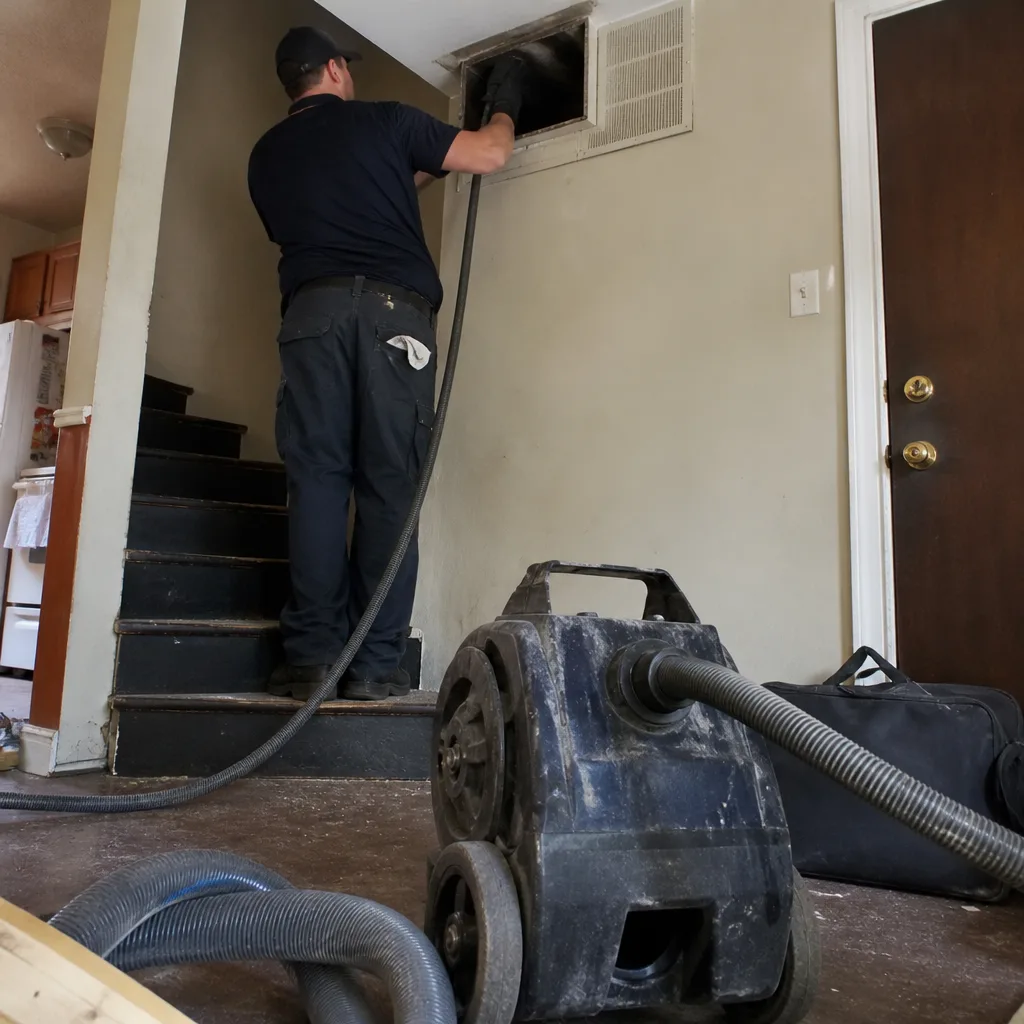 Before
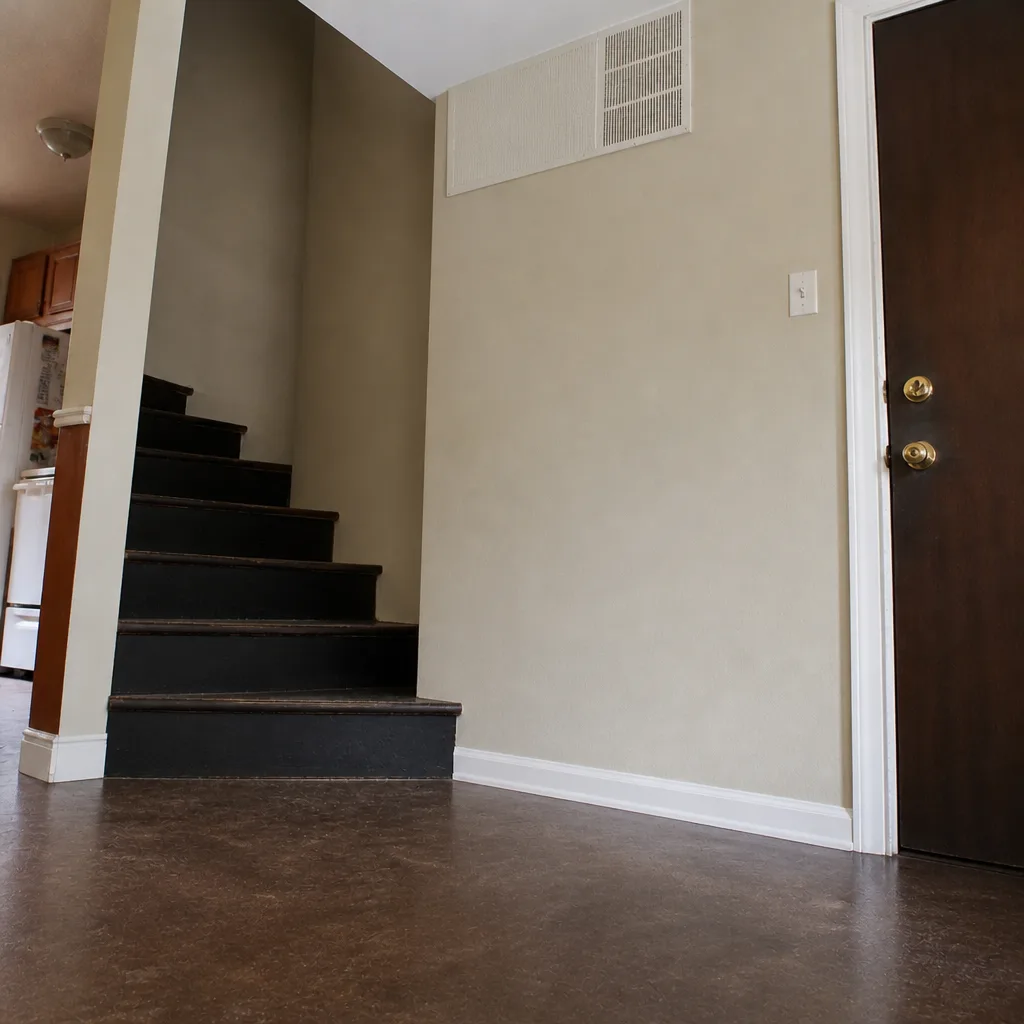 After
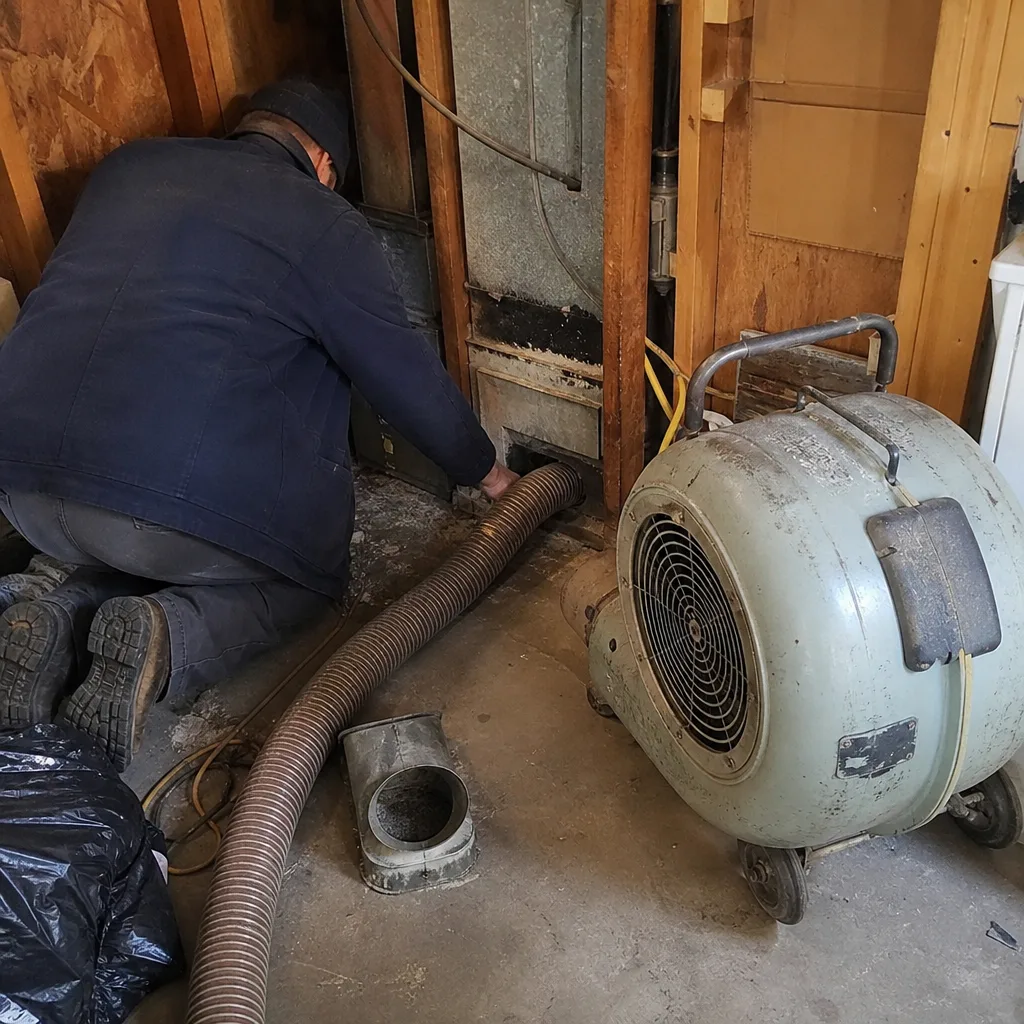 Before
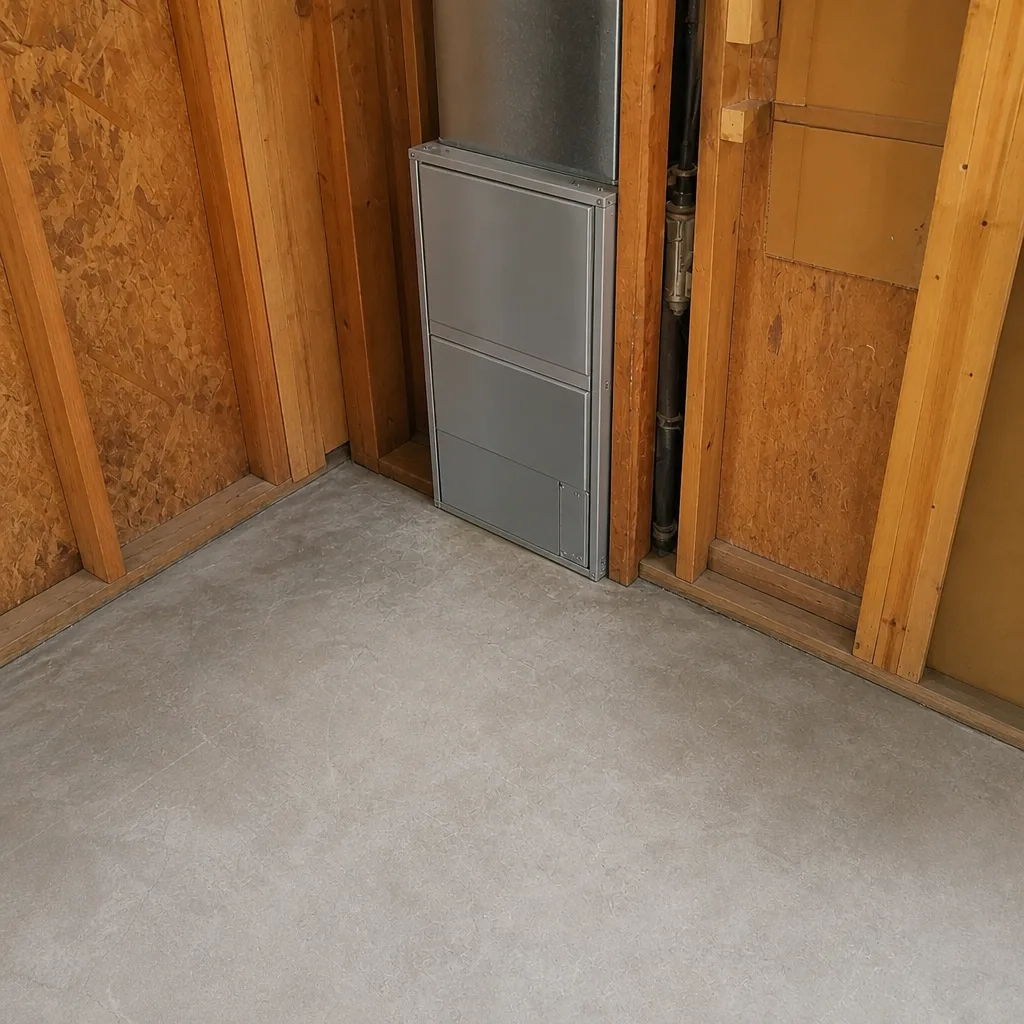 After
 Before
 After
When to Call a Professional
Call for an inspection when you have two or more of the signals in this guide together – a filter loading rate that has changed, a starved room that stays starved across seasons, a dust pattern that returns faster than it used to, a smell that only appears when the system runs, or visible evidence of pest activity at a register or boot. Call sooner if you’ve had major renovation work and the filter loading rate hasn’t settled, or if an inspection has found a disconnected or crushed duct run. If you’ve never opened an Elgin home’s air handler access panel or looked at the runs in the attic, an inspection is the cheapest way to find out whether anything needs attention at all. Duct Cleaning Elgin offers free estimates in Elgin – call (855) 393-2846. We answer 24/7. Fast dispatch from 7am to 7pm, Sunday through Friday.
Frequently Asked Questions
The most reliable sign is a change in filter loading rate – a filter that used to last 60 days and now clogs in three weeks is a stronger indicator than visible dust. That pattern usually means unfiltered air is entering somewhere in the duct system, which an inspection can locate. Visible register dust alone is a weaker signal because it accumulates normally on every system. Call (855) 393-2846 for an exact quote on an inspection – estimates are free.
There’s no fixed schedule. For most Elgin homes, a cleaning when the mechanical signs justify it is better than a calendar-based routine. Homes with pets, recent renovation, or pest history tend to need it more often than a home with none of those factors. Watch the signs in this guide rather than the years since the last cleaning, because those are the signals that indicate whether the system is actually accumulating. Call (855) 393-2846 if the signs point one way or the other – estimates are free.
Lower quotes usually reflect vacuum-only equipment and less time on the system. There’s no contact cleaning at the duct wall, no HEPA-rated extraction to capture the dislodged material, and often no inspection of the breaches and boots that cause the contamination in the first place. The result often looks clean from one register and isn’t. The method matters more than the price. Call (855) 393-2846 for an exact quote on what a proper scope costs for your system – estimates are free.
Ask for before-and-after photos of your own ducts, and ask what equipment the crew brought. Before-and-after photos of the actual run, not a stock photo, show whether the duct wall was cleaned or only the passage was vacuumed. The named equipment – a Rotobrush rotary-brush system and a Nikro HEPA extraction unit – is a factual answer that tells you what was done. Call (855) 393-2846 to book an inspection – estimates are free.
Cleaning can address what pests leave behind, but only with the right method. Rodent and insect residue binds to the duct wall and doesn’t lift with a single vacuum pass – contact cleaning and HEPA-rated extraction are what the job requires. An inspection should also check for the entry points and any opened seals that let the pests in, because a cleaned system is a re-contamination waiting to happen without the repair. Call (855) 393-2846 to talk through what your system needs – estimates are free.
Duct cleaning removes debris and contamination from the inside of the duct system; air duct repair addresses the structural integrity – reconnecting separated runs, repairing crushed flex duct, resealing boots and transitions. Most duct cleaning companies offer only the cleaning, which leaves a leaking system pulling in contaminants after the crew leaves. The two jobs go together on the same system. Call (855) 393-2846 to discuss which your system needs – estimates are free.
The Bottom Line
The warning signs that matter most are the ones that don’t announce themselves. A filter loading faster than it used to, a room that never warms, a dust pattern that returns in days rather than weeks, an odor that only appears when the system runs, and the fine dust left behind by a renovation all point to the same underlying issue: a duct system with debris, a breach, or both. Visible register dust alone doesn’t. If two or more of the signals in this guide are showing up at once, an inspection tells you whether the answer is cleaning, repair, or neither – in that order, and with the right equipment. Written by the team at Duct Cleaning Elgin.