
Last updated November 16, 2026
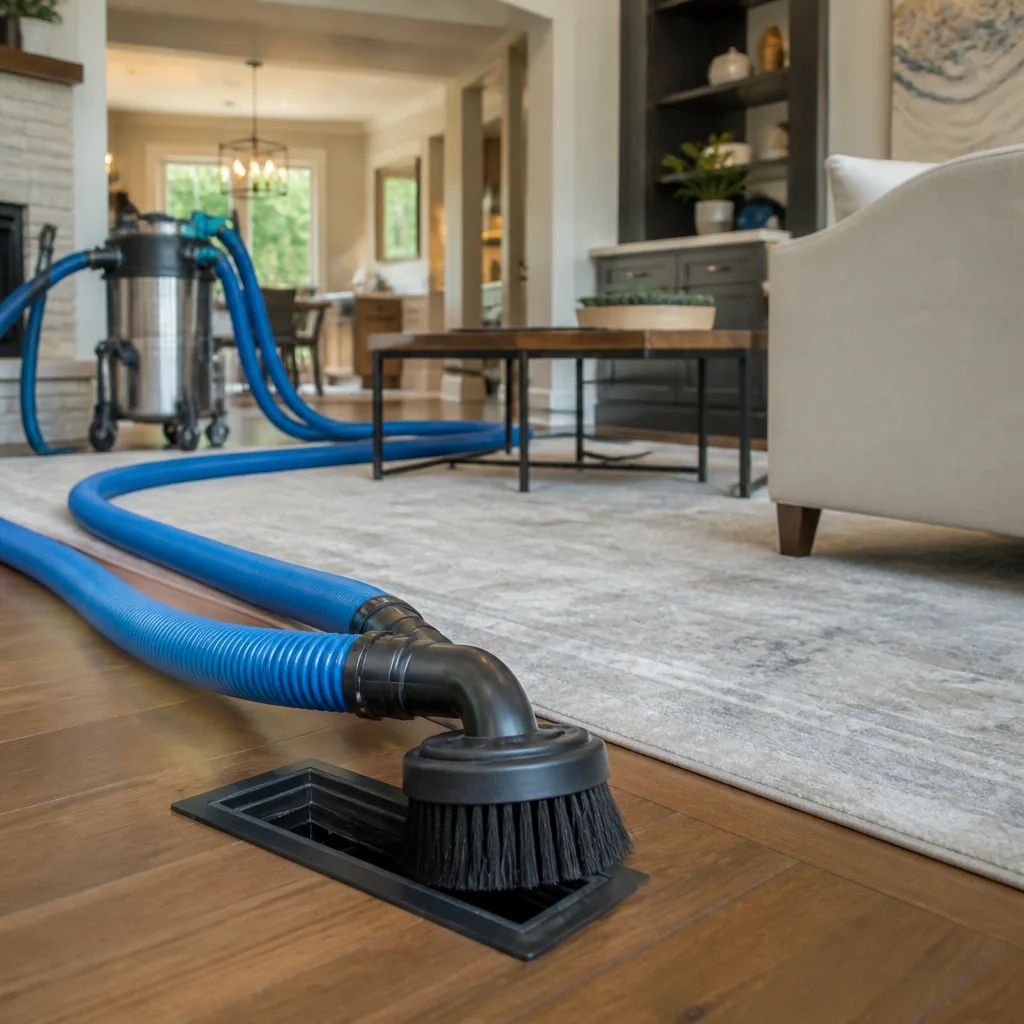 Whole-home duct cleaning
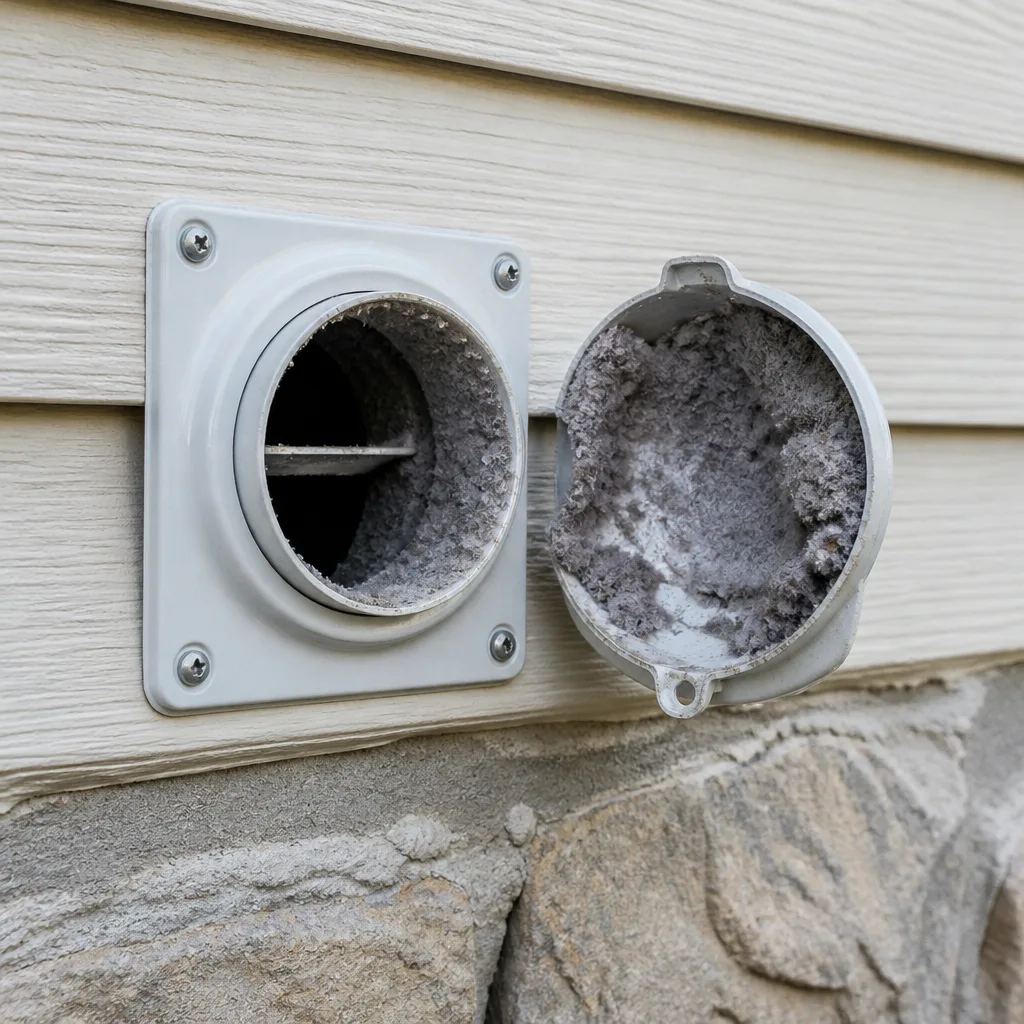 Dryer vent cleaning
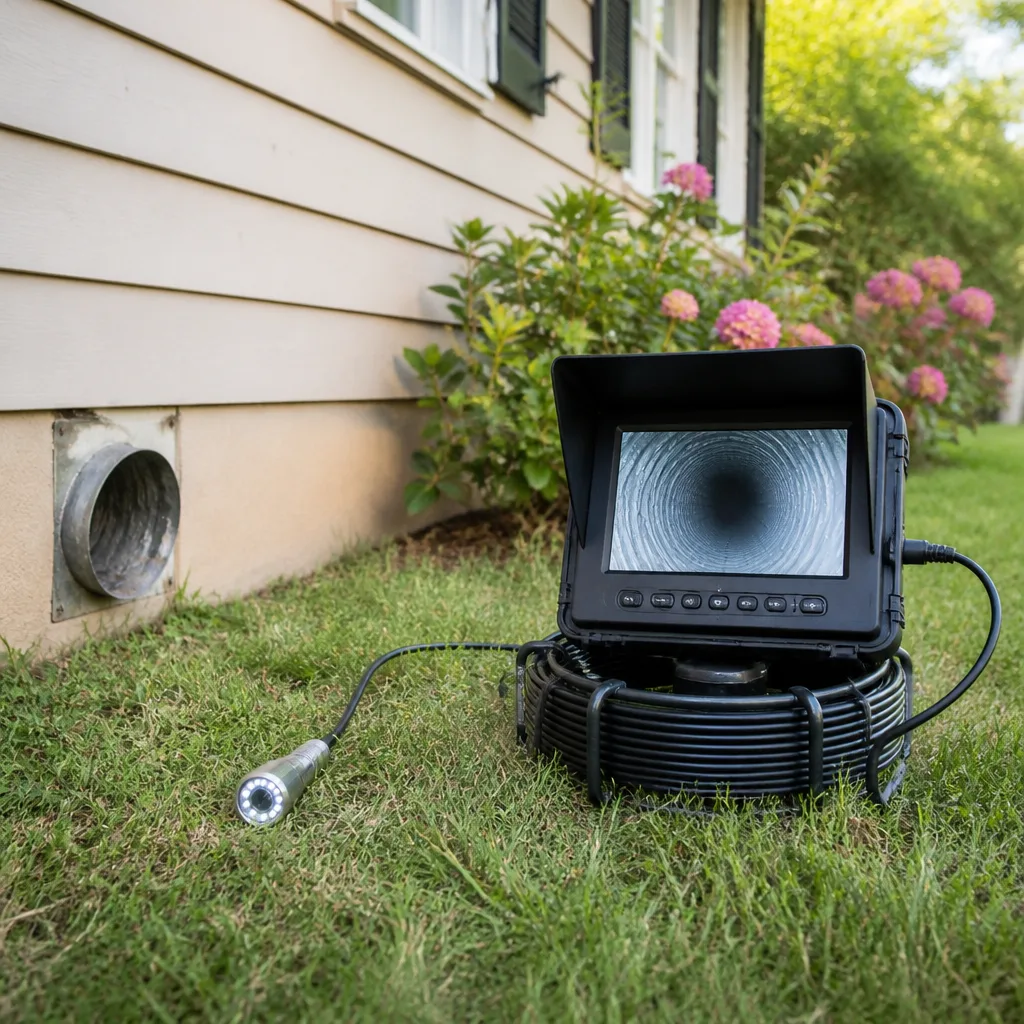 Camera inspection
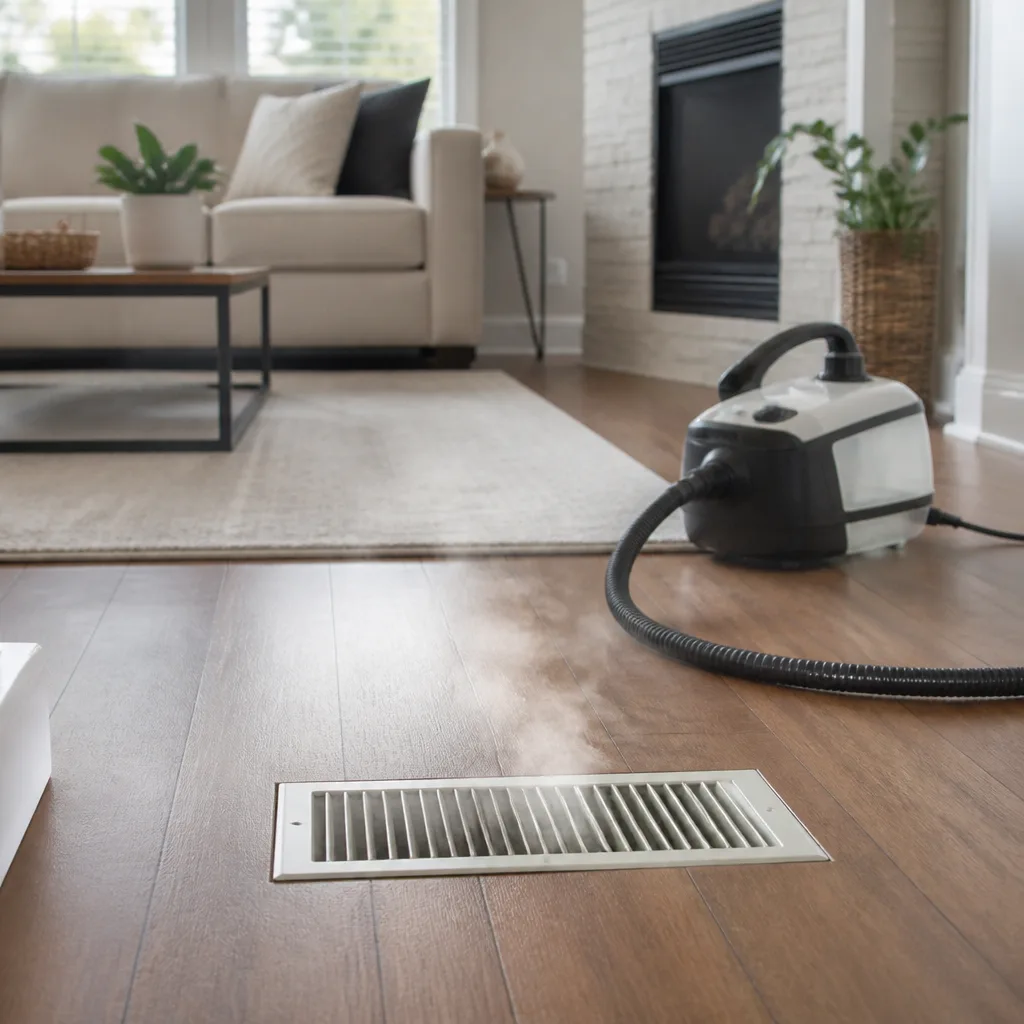 Sanitizing & deodorizing
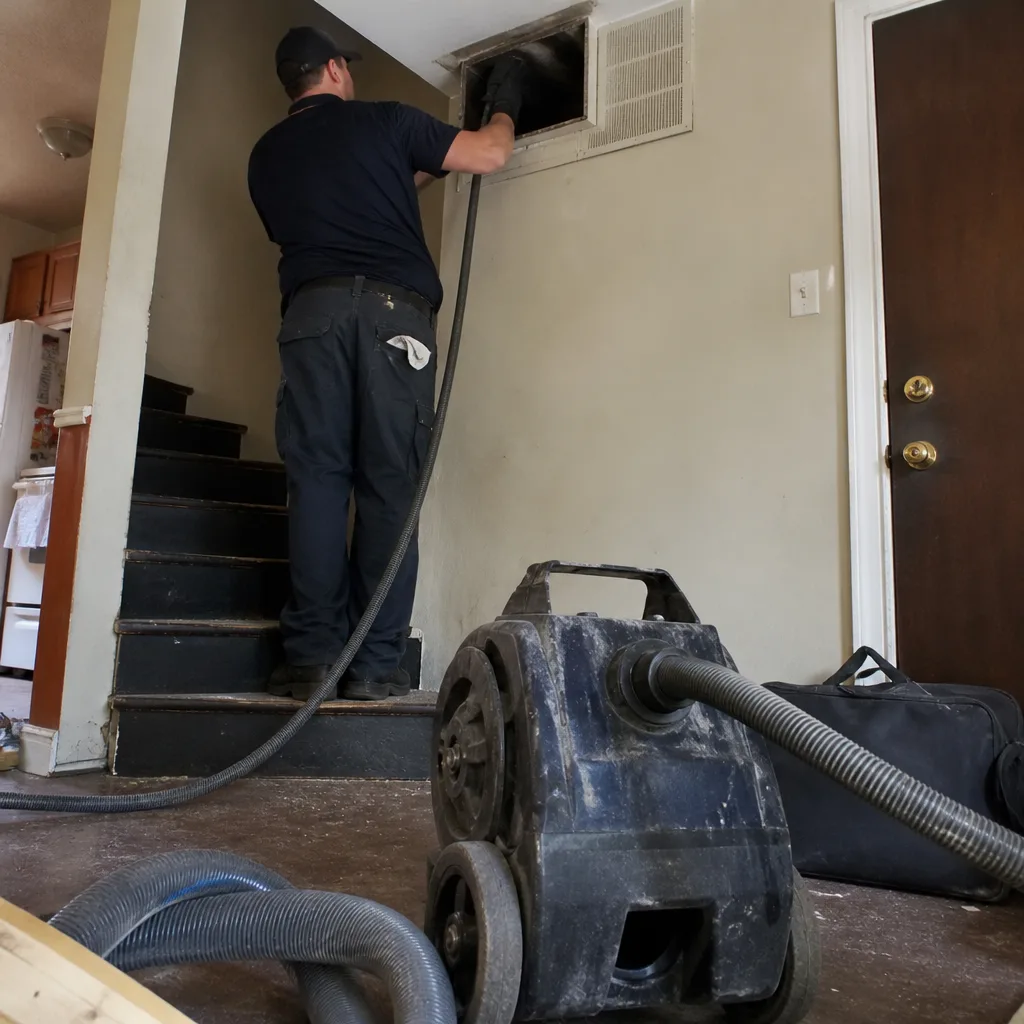
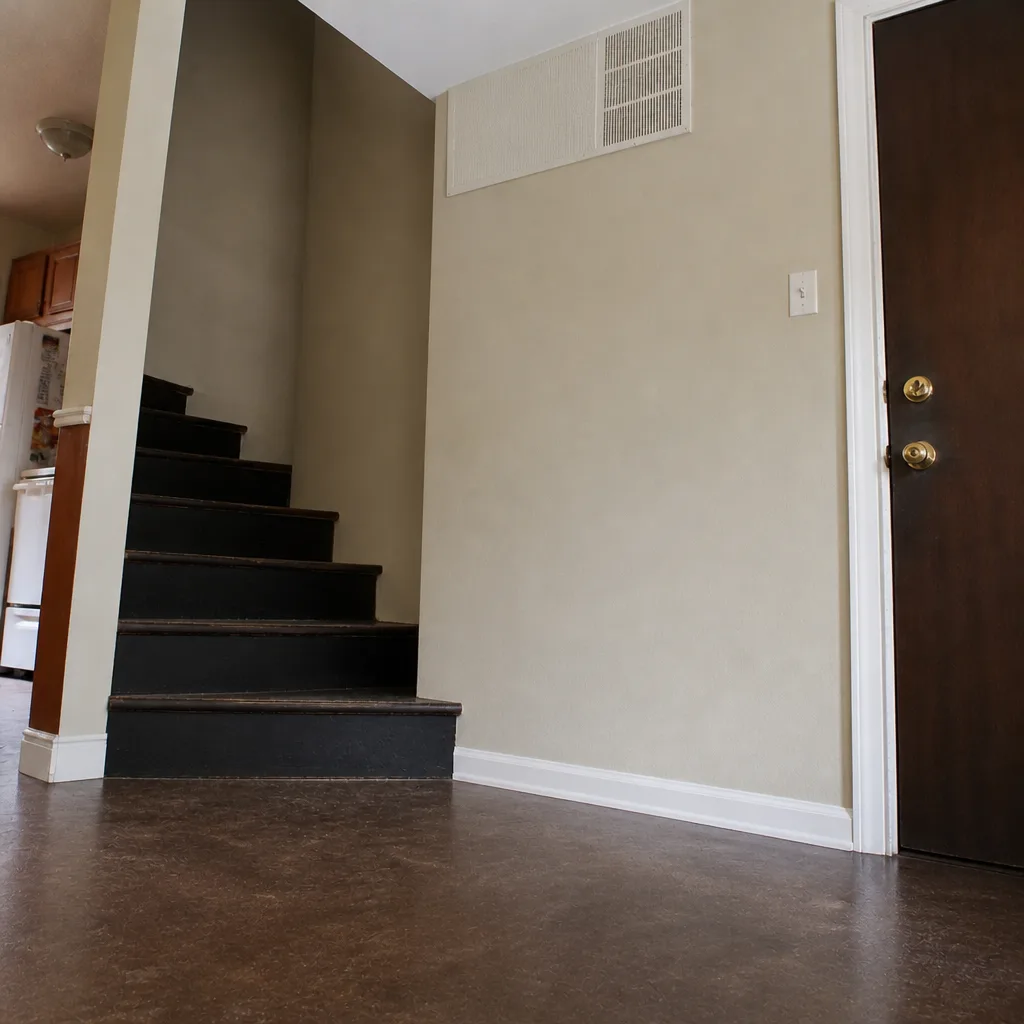
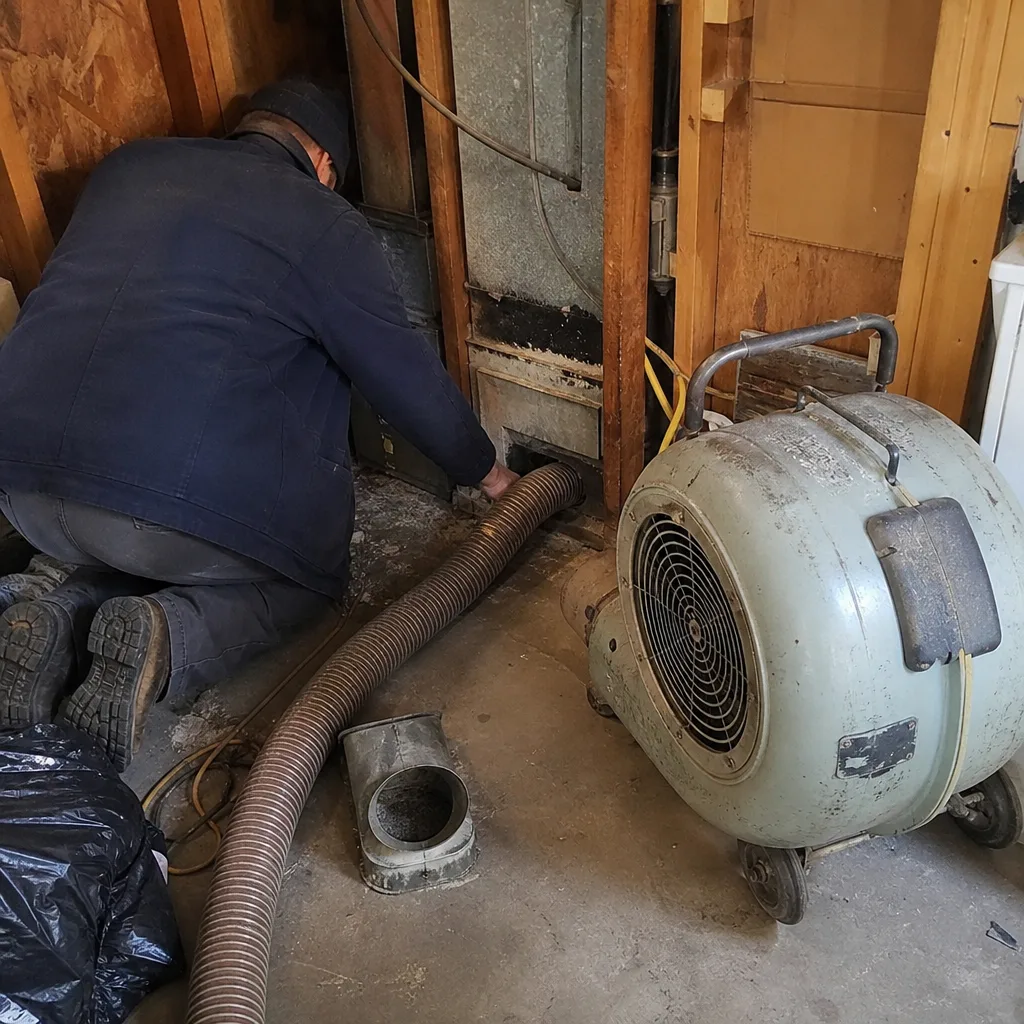
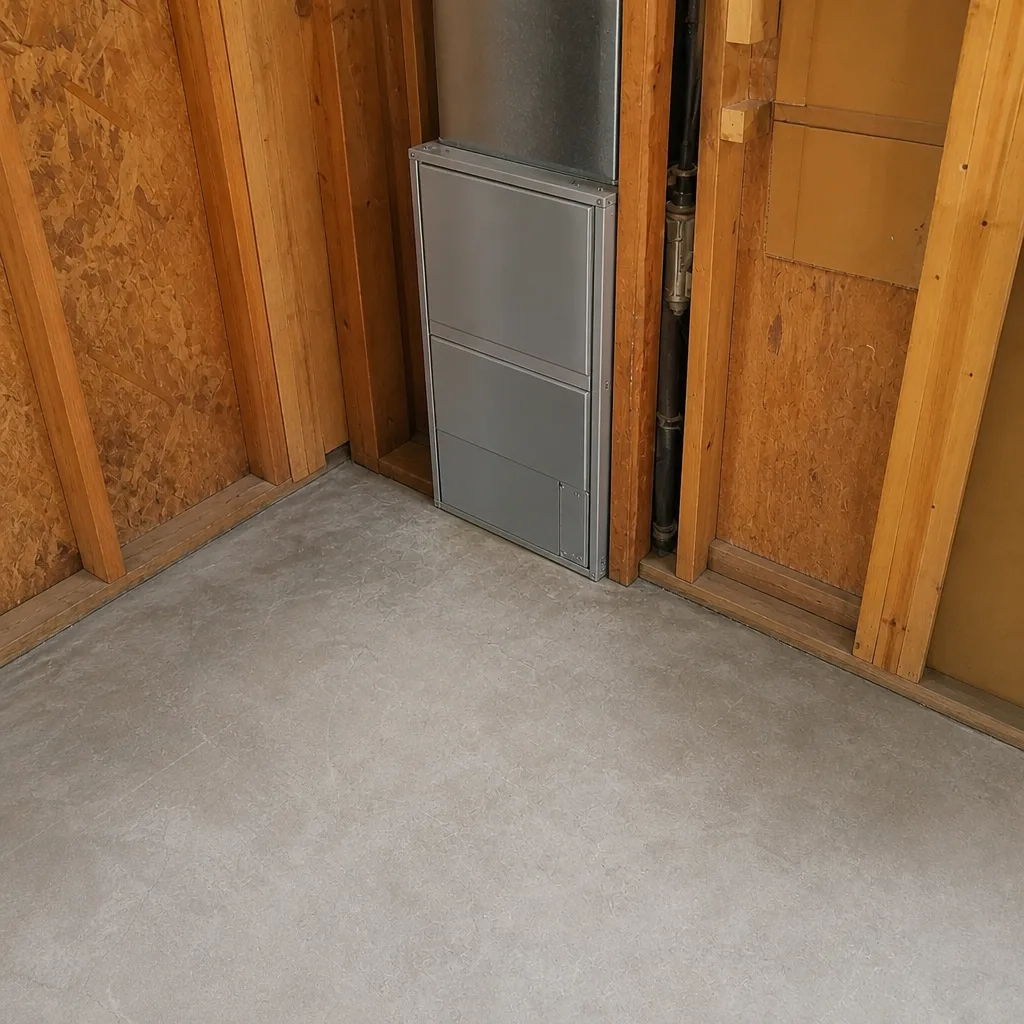
Whole-system duct and dryer vent check with before-and-after photos - you see exactly what came out of your vents
That "$99 whole-house special" is a bait ad - the real number appears once they are in your hallway, or the "clean" is a shop-vac at the register. We photograph the inside of your ducts before and after instead.
Air Duct Cleaning Permits, Codes & Inspections in Elgin, IL: What You Need to Know
Most air duct cleaning in Elgin needs no permit at all. That’s the plain truth, and it’s also where the confusion starts. The moment a technician cuts into sealed ductwork to reach a dirty section, disconnects a run from the plenum, or replaces a damaged length of flex, the work can cross into City of Elgin building code territory, and the contractor doing it needs to be licensed for that scope. When an unlicensed operator makes that cut, the liability for a bad reconnection doesn’t stay with them. It follows the property. This guide explains where cleaning ends and permitted work begins, which Illinois licensing tier applies, how post-remediation verification works, what the Community Development Department actually governs, and what paperwork to keep afterward.
Quick Answer
In Elgin, routine air duct cleaning, source removal of dust and debris from an existing duct system, and dryer vent cleaning do not require a building permit. Duct modification, including replacing duct sections, reconnecting disconnected runs, adding or removing supply branches, and any mold-related remediation inside ducts, can require a permit and must be performed by an Illinois-licensed HVAC contractor. If remediation work is involved, clearance usually needs an independent post-remediation verification before the system is returned to service.
Styles & brands we work with
- Whole-home duct cleaning
- Dryer vent cleaning
- Camera inspection
- Sanitizing & deodorizing
Table of Contents
- Where the Line Sits: Cleaning Versus Modification
- Illinois HVAC Licensing Tiers and Which One Applies
- When an Elgin Building Permit Is Triggered
- What the City of Elgin Community Development Department Governs
- Post-Remediation Verification and Who Can Certify Clearance
- Documentation to Keep After Duct Work
- How a Compliant Duct Job Typically Goes
- Does air duct cleaning require a permit in Elgin?
Where the Line Sits: Cleaning Versus Modification
Cleaning and modification sound close together in a sales call. In the building code they’re separated by a wide gap, and the gap matters for your wallet and your liability. Cleaning is maintenance. Modification is construction.
Cleaning, as a professional service, means removing accumulated dust, debris, and biological growth from within the existing duct system without altering its configuration. The ducts that were there before the job are the same ducts after it, connected the same way, sealed the same way. No new material is added to the system, and no component is removed from it. A thorough job uses contact cleaning methods and HEPA-rated extraction to pull what’s loosened out of the system rather than pushing it into the rooms.
Modification is different. Your Elgin home’s ductwork is a sealed, engineered assembly. Every joint, every transition, every connection at the plenum affects both airflow balance and energy use. When that assembly is cut, opened, or reconfigured, the work moves into the construction code.
- Cleaning, no permit: rotary brush contact cleaning of existing duct walls, HEPA extraction, register and grille cleaning, dryer vent cleaning of an existing vent run.
- Likely permit territory: replacing a length of flex or rigid duct, reconnecting a run that has come loose from the plenum or a branch fitting, adding or removing a supply branch, resizing a return, sealing with mastic or new taping during a repair (the repair, not the cleaning, is the permitted act).
- Definitely permit territory: replacing or significantly altering the air handling unit, adding a new HVAC system, installing a new appliance that requires venting, any work touching combustion venting.
The practical implication for an Elgin homeowner: if a duct cleaning quote includes the words “we’ll need to cut in here to reach that,” ask whether that cut requires a permit. In our experience, the honest answer to that question separates a professional operation from a bargain one.
Illinois HVAC Licensing Tiers and Which One Applies
Illinois regulates HVAC work through the Illinois Heating, Ventilation, Air Conditioning and Refrigeration (HVAC/R) Contractor Licensing Act, administered by the Illinois Department of Financial and Professional Regulation (IDFPR). There are two tiers worth understanding if you’re hiring anyone who touches ductwork in Elgin.
The HVAC Contractor license applies to the business, and it covers the full range of installation, repair, and maintenance of heating, ventilation, air conditioning, and refrigeration systems. This is the license a company needs to legally perform duct modification, duct repair, and HVAC system work in Illinois. The HVAC Technician license applies to the individual who actually performs the work in the field. A compliant company holds the contractor license; the technicians on your property hold the technician license.
Air duct cleaning itself sits in a slightly different spot. Cleaning as a maintenance activity does not require the HVAC Contractor license in every scenario, but a company that also offers duct repair (and this is where a lot of Elgin homes end up) does need the license to perform that repair legally. A company cleaning only, with no modification, may operate under different licensing requirements than a company doing repair.
What this means in practice when you’re hiring:
- Ask for the company’s Illinois HVAC Contractor license number. Cross-check it against the IDFPR license lookup. It’s a five-minute step that eliminates most of the risk.
- Ask whether the company holds the contractor license or works under another contractor’s license. Subcontracted cleaning crews are common. The license on the invoice should match the company you hired.
- Ask whether the technician arriving at the property is licensed. A licensed company can still send unlicensed technicians, which creates a different problem if a duct is damaged.
- Ask the scope question directly: “will this job involve any cutting, reconnecting, or parts replacement?” If the answer is yes, both licenses matter.
For duct repair, we work with licensed independent local professionals in Elgin and we ask the same four questions. Our technicians have up to 14 years of experience, and part of that experience is knowing what falls inside the license and what doesn’t.
When an Elgin Building Permit Is Triggered
Permit requirements for HVAC-adjacent work in Elgin follow the city’s adoption of the International Residential Code (IRC) as the local residential building code. Under the IRC, mechanical work that alters the system’s design or replaces components typically requires a mechanical permit. Work that maintains the existing system in its current configuration typically does not.
For a duct job in Elgin, here’s how that plays out:
- Permit typically not required: cleaning existing ducts, cleaning the air handler exterior, cleaning registers, cleaning the dryer vent run, replacing a furnace filter.
- Permit usually required: replacing a section of ductwork, reconnecting a duct run that has separated from the trunk or plenum, installing a new return air duct, adding a supply branch to serve a finished basement or addition, resizing a duct for a system change, replacing the entire duct system.
- Permit required and more: furnace or air handler replacement, adding a new HVAC system, anything that involves a new appliance venting through a wall or roof, anything touching combustion air or flue connections.
One thing that catches Elgin homeowners on this: older housing stock. Elgin has a significant number of homes where the original ductwork was installed decades ago, and it’s common to find that a previous owner or contractor made an unpermitted modification. When you buy the house or refinance, that unpermitted work becomes your paperwork problem. If you’re cleaning the ducts and the cleaning technician identifies a modification that was never permitted, you’re now looking at a code compliance question on top of a cleaning job. It’s worth knowing before you sign the estimate, not after.
When duct work does require a permit in Elgin, the contractor pulls the permit, the city inspects the work, and the final inspection sign-off is what makes the work legal. For a permitted duct modification on a residential project, expect the standard sequence: permit application, rough-in inspection if the ducts are opening walls, final inspection once the system is sealed and tested. Dryer vent cleaning, on the other hand, is maintenance and does not require a permit. Fire safety from a clean dryer vent is a separate conversation, and worth having on its own.
What the City of Elgin Community Development Department Governs
The City of Elgin Community Development Department is the city agency that issues building permits, conducts inspections, and enforces the adopted building codes for residential and commercial projects. If your duct work needs a permit, this is the office that grants it.
The Department’s building division is where HVAC-adjacent permits live. Inspectors from this division verify that permitted work meets code, and their sign-off is what closes out a permit. If work was done without a permit and the city discovers it (through a complaint, a resale inspection, or a subsequent permit application), the enforcement path also runs through Community Development.
What homeowners should know about working with Community Development:
- Permits are pulled by the licensed contractor, not the homeowner, for mechanical work. The contractor of record is on the permit. If someone offers to “help you pull a homeowner permit” for duct modification, that’s a sign the contractor isn’t licensed to do the work.
- Inspection timing depends on the permit scope. A duct replacement that doesn’t open walls may need only a final inspection. Work involving framing or drywall access may need a rough-in inspection first.
- Records of permits and inspections are retained by the city, and a prospective buyer’s inspector can pull permit history when you sell. This is why the paperwork section further down matters.
- Questions about what needs a permit go to Community Development, not the contractor. A call to the city’s building division settles the question in a way a contractor’s opinion can’t. If you’re not sure whether the scope crosses the line, ask the city before work starts.
We mention this office specifically because it’s the fastest way to end an argument with a contractor who’s trying to skip a permit. Elgin’s Community Development Department has a phone and a permit counter. Use them.
Post-Remediation Verification and Who Can Certify Clearance
Post-remediation verification (PRV) is the independent clearance step at the end of a mold remediation project. When ductwork has visible biological growth or has been through a water event that created conditions for mold, the work moves from cleaning into remediation, and remediation is regulated differently from cleaning.
The standard reference for this work is the IICRC S520 Standard for Professional Mold Remediation. Under S520, the remediation contractor is expected to define the project scope, contain the affected area, complete the removal, and then have the work verified by a party independent of the remediation contractor. For ducts, that independence matters. A contractor who performed the remediation and then also issues their own clearance letter has a conflict of interest.
Who can certify clearance in an Elgin project:
- An indoor environmental professional (IEP) or a certified industrial hygienist, independent of the remediation contractor. This is the cleanest arrangement and the one most insurers prefer.
- A licensed environmental consultant with appropriate credentials. Requirements vary by project scope and by what the remediation protocol calls for.
- The City of Elgin inspector for the building-code components of the work (structural, mechanical), which is separate from the mold clearance question but runs in parallel on a permitted project.
Post-remediation verification typically includes a visual inspection, a moisture check to confirm the system is dry, and where the protocol calls for it, air sampling compared against an outdoor control sample. The clearance report is the document that says the duct system has been successfully remediated and can be returned to normal service. If you’re the homeowner, ask for a copy. If you’re a property manager, keep it in the unit’s file.
We don’t perform mold remediation ourselves. When a duct inspection turns up conditions that require it, we refer the property to an independent local professional. Knowing where our scope ends is part of doing this work honestly in Elgin.
Documentation to Keep After Duct Work
The paperwork that follows a duct job is easy to throw away and surprisingly valuable to keep. Three parties will eventually want to see it: your insurer, your buyer’s inspector, and the City of Elgin if a permit question ever comes up.
What to hold onto:
- The written estimate, signed and dated. Scope of work, price per system, and any stated exclusions. This is the document that establishes what you paid for when a question arises later.
- The permit and inspection record. If a permit was pulled, keep a copy of the permit number and the final inspection sign-off. The city retains records, but having your own copy saves a records request later.
- Before-and-after photos of the duct system. A professional operation photographs what it found and what it left behind. These photos are the proof that the job actually happened if a buyer’s inspector later questions the system’s condition.
- The remediation clearance report, if applicable. Post-remediation verification documents should be kept with the property’s records, permanently. A buyer will ask for this if they see any hint of prior water damage or biological growth in the disclosure.
- The equipment list. If the contractor documented which equipment was used, keep that too. It’s supporting evidence of a professional-grade job, and we’re happy to provide one on every project.
- Dryer vent cleaning records. The U.S. Fire Administration identifies dryer vents as the leading cause of appliance fires, and a clean-vent record adds a small but real safety data point to your property file.
We recommend keeping all of it in a single folder labeled for the property. When you sell an Elgin home, your buyer’s inspector will find more of a comfort level with documentation than without it, and the resale value discussion gets easier when the paperwork is ready.
How a Compliant Duct Job Typically Goes
A professional-grade air duct cleaning in Elgin follows a repeatable sequence. Here’s what it looks like from the homeowner’s side, using the equipment standards we hold ourselves to.
- Scope walk-through and written estimate. Before any equipment comes in, the property owner and the contractor walk the system. Registers are counted, the air handler is inspected, and any obvious damage to the duct system is noted. A written estimate is issued with a fixed price per system, not a per-vent price. The estimate states clearly whether the job is cleaning only or involves modification.
- License and permit check. If the scope includes modification, the license number is verified and the permit is pulled before work starts. Cleaning-only jobs skip this step by definition.
- Containment and negative pressure. Before any debris is dislodged, the work area is controlled. We use Abatement Technologies equipment for a containment-first approach, because the last thing a professional job should do is send loosened dust back into the living space. HEPA-rated extraction through a Nikro vacuum catches what gets loosened rather than redistributing it.
- Contact cleaning of the duct walls. This is where equipment quality shows. A rotary brush system like the Rotobrush physically agitates buildup off the duct walls, which is the only way to remove the material that’s bonded to the surface. Vacuum-only cleaning from a single access point removes what’s loose and leaves the rest. The difference shows up in the before-and-after photos.
- Register, grille, and air handler cleaning. The supply and return registers get pulled and cleaned. The exterior of the air handler is cleaned and the filter is checked.
- Air quality component check. If the property has an inline media filter, a UV system, or an air quality component from Honeywell or Aprilaire, the condition of that component is inspected and noted. If the system is failing to hold up its end of the air quality job, the property owner is told.
- Repair scope if needed. If the cleaning turns up a disconnected duct, a crushed section, or a joint that’s leaking, that’s identified and quoted separately as duct repair. A cleaned but leaking duct system still pulls in contaminants, so this step isn’t optional to the outcome.
- Before-and-after photos and final walkthrough. The property owner gets photos of their own ducts, not stock images from someone else’s job. The contractor walks through the completed work, notes any remaining items, and collects payment on the agreed price.
That’s the process from the property owner’s side. The parts that matter to a permit or code question are steps 1, 2, and 7, and they’re all about knowing where the job’s scope ends.
Does air duct cleaning require a permit in Elgin?
No, routine air duct cleaning in Elgin does not require a building permit. Cleaning is maintenance of an existing system, and the City of Elgin Community Development Department does not require a permit for maintenance. The answer changes the moment the scope crosses into modification, such as replacing duct sections, reconnecting a separated run, or adding a new supply or return branch, or into remediation of biological growth inside the duct system, which is a different category of work with a different clearance process.
The practical rule: if the contractor’s scope is removing material from ducts that already exist and no material is added, no ducts are cut, and no joints are reconnected, no permit. If any of those boundaries are crossed, ask the contractor and ask the City of Elgin building division. The permit question is settled quickly once someone asks it clearly, and the answer gets written down.
If you’re hiring for dryer vent cleaning in Elgin, the same logic applies: cleaning an existing vent run is maintenance without a permit; replacing the vent run or changing where it terminates is construction work that requires a permit and a licensed contractor.
Common Mistakes to Avoid
- Hiring the lowest quote without checking licenses. A license check takes five minutes on the IDFPR lookup and rules out most of the risk. Elgin homeowners who skip this step inherit the liability for unlicensed work.
- Letting a cleaning crew “adjust” ductwork on the spot. If the cleaning crew discovers a duct problem mid-job and offers to fix it for an added cost, stop. Modification work requires the license and possibly the permit; a company that will cut into your ducts without either isn’t a company you want cutting.
- Throwing away the estimate and photos. The paperwork is your only proof of scope if a permit question, an insurance claim, or a resale inspection comes up later. Photograph the written estimate with your phone before payment if you don’t have a scanner handy.
- Assuming “we do duct repair” means the company is licensed for it. Duct repair is modification. Ask for the contractor license. Ask for the technician license. Ask which permit will be pulled if the repair involves cutting or replacement.
- Skipping post-remediation verification after a mold job. Self-certifying clearance is a conflict of interest. If the work was remediation, insist on independent PRV. Elgin insurers and buyers both care about this.
- Accepting a per-vent price. Per-vent pricing is a common opening for the bait-and-switch routine. A professional job quotes one flat price per system, in writing, before work starts.
- Forgetting the dryer vent because the ducts got cleaned. Dryer vent cleaning is a separate job from duct cleaning. If you’re booking one, book the other. The fire risk question owes more attention than most Elgin homeowners give it.
See the difference
 Before
 After
 Before
 After
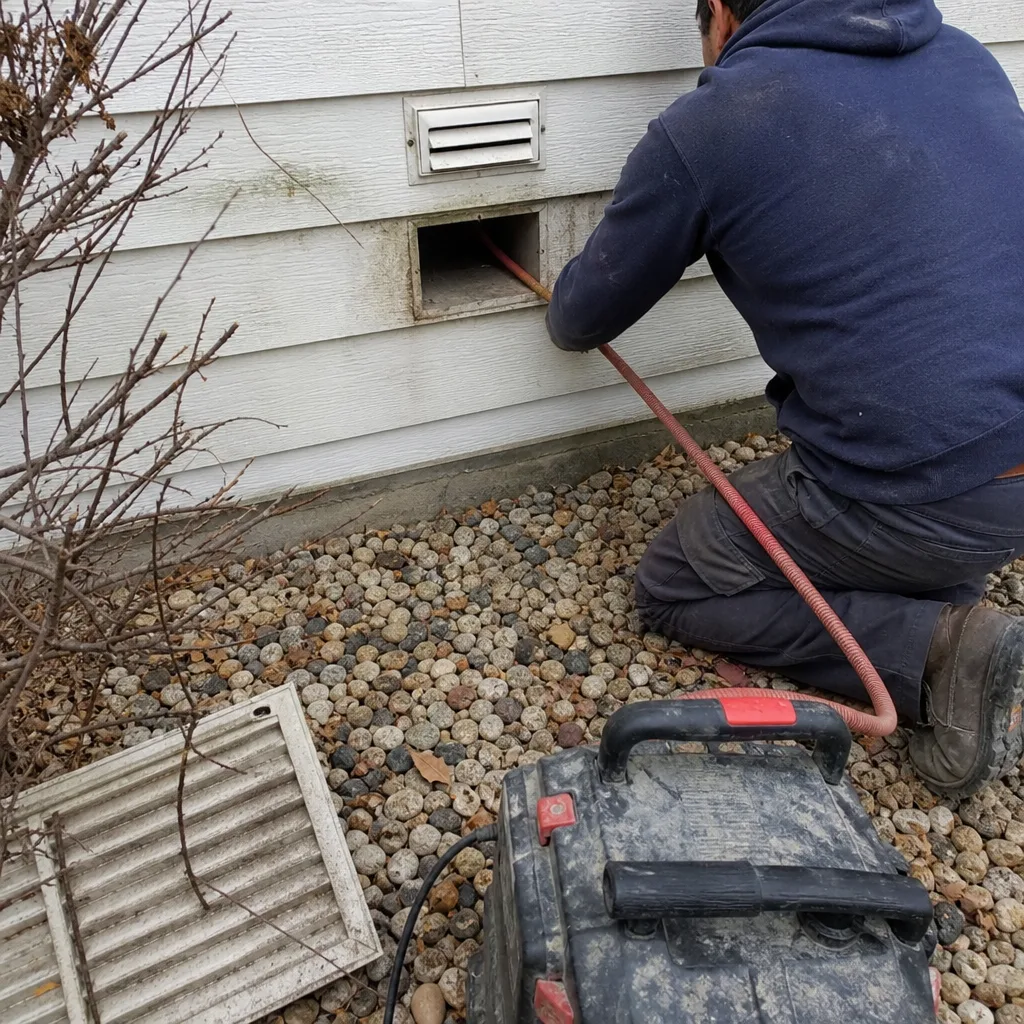 Before
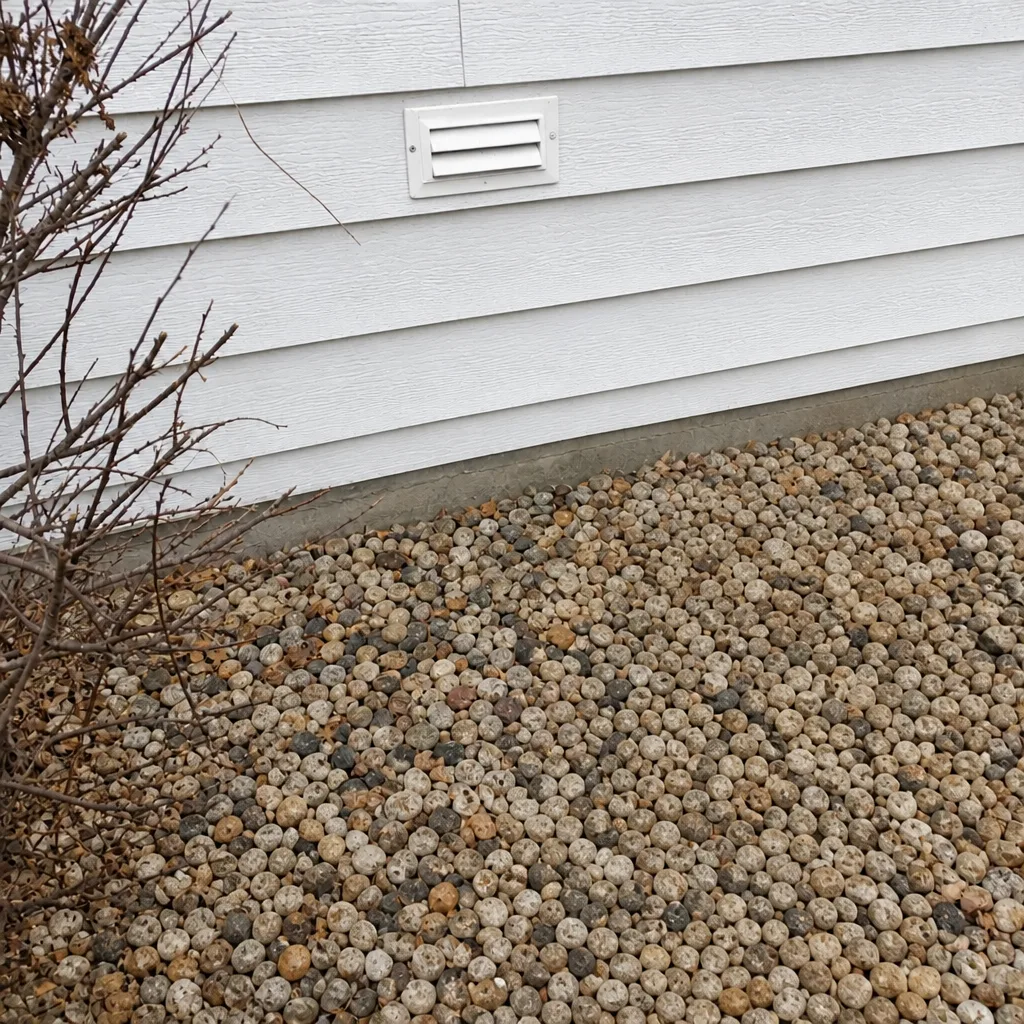 After
When to Call a Professional
Some duct work is a homeowner project and some isn’t. If you’re seeing visible debris blowing out of registers when the system runs, hearing airflow that sounds restricted in some rooms and strong in others, noticing a persistent musty smell that returns after cleaning the living space, or you’ve just finished a renovation that put dust in the air for weeks, you’re a good candidate for a professional assessment. If you can see loose or disconnected ductwork in the basement or attic, or a joint that’s separated from the plenum, stop using that part of the system until someone inspects it. If you’re not sure whether the work you need crosses into permit territory, the phone call to find out takes thirty seconds. Duct Cleaning Elgin offers free estimates in Elgin, and we can answer the permit question on the call, not after you’ve already paid someone. Call (855) 393-2846.
Frequently Asked Questions
No. Routine air duct cleaning of an existing system in Elgin does not require a building permit. Cleaning is maintenance. A permit can be triggered if the scope grows into duct modification, such as replacing a section, reconnecting a separated run, or adding a branch. Ask the contractor whether the scope involves modification, and if it does, ask which permits will be pulled.
For cleaning-only work, licensing requirements are lighter than for HVAC system work. For duct modification and duct repair, the company needs an Illinois HVAC Contractor license issued through the Illinois Department of Financial and Professional Regulation, and the technician on site should hold the HVAC Technician license. Verify the license number on the IDFPR lookup before hiring.
Sometimes. A minor repair that doesn’t change the duct system’s design may not trigger a permit. A repair that replaces duct sections, reconnects a separated run, or changes the configuration of the system usually does. The Illinois HVAC Contractor license is required for the repair regardless of permit status. That’s a question to settle with the City of Elgin building division and the contractor before work starts.
Post-remediation verification is independent clearance that confirms mold remediation has been successfully completed. It’s required when the work in an Elgin duct system crosses from cleaning into remediation, typically when visible biological growth or a water event has created the conditions for mold. An independent indoor environmental professional performs the verification, sometimes with air sampling, and the clearance report should be retained with the property records.
Yes, if a permit is required. The Community Development Department’s building division issues and inspects permits for HVAC-adjacent mechanical work, including duct modification and system replacement. The department also handles permit enforcement if work was done without one. Their permit counter and phone line are the fastest way to settle a scope question with certainty.
Keep the written estimate, the permit and inspection record if a permit was pulled, before-and-after photos of your own duct system, and a copy of any remediation clearance report. These documents help with insurance claims, resale inspection questions, and any future code compliance issue. A single labeled folder for the property is enough.
The Bottom Line
Cleaning is maintenance and modification is construction, and the two have different licensing and permit consequences in Elgin. Routine cleaning needs no permit; duct modification and mold-related remediation usually do, and the company doing that work must hold the Illinois HVAC Contractor license. Duct repair requires the license regardless of whether a permit is triggered, so verify the license before the truck arrives. Keep the paperwork, tolerate no per-vent pricing, and ask the scope question upfront. If you’re in Elgin and you want a straight answer on permits, licensing, and scope, we can tell you on the first call whether your job needs anything beyond cleaning.
Contact
Duct Cleaning Elgin provides air duct cleaning, dryer vent cleaning, and air duct repair for homes and properties across Elgin. Our technicians use professional-grade equipment on every job: Rotobrush rotary brush contact cleaning, Nikro HEPA-rated extraction, and Abatement Technologies containment. We work with recognized air quality brands including Honeywell and Aprilaire, and we install and service Guardsman components where they’re part of the system. One flat price per system agreed before work starts, and before-and-after photos of your own ducts when we’re done. Call (855) 393-2846 for a free estimate. We answer 24/7. Fast dispatch from 7am to 7pm, Sunday through Friday.
Written by the team at Duct Cleaning Elgin.