
Last updated November 16, 2026
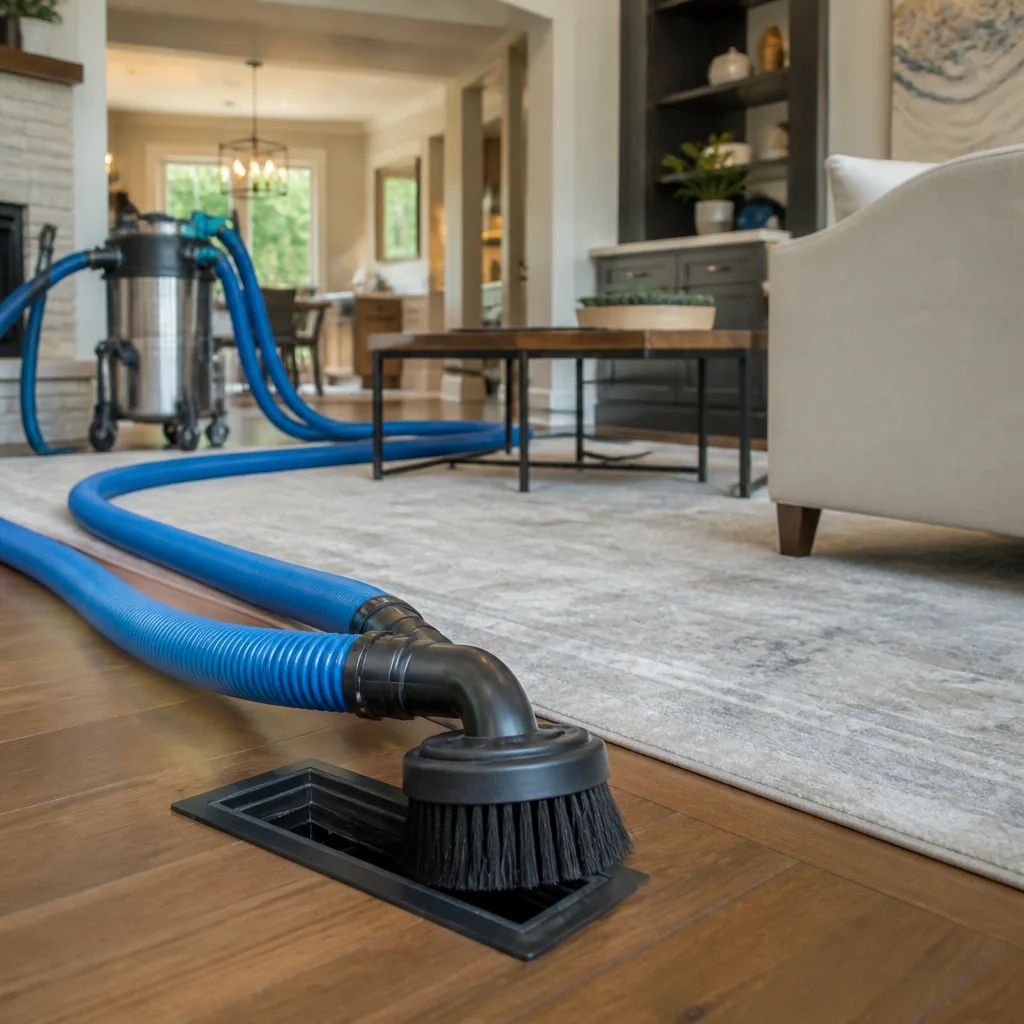 Whole-home duct cleaning
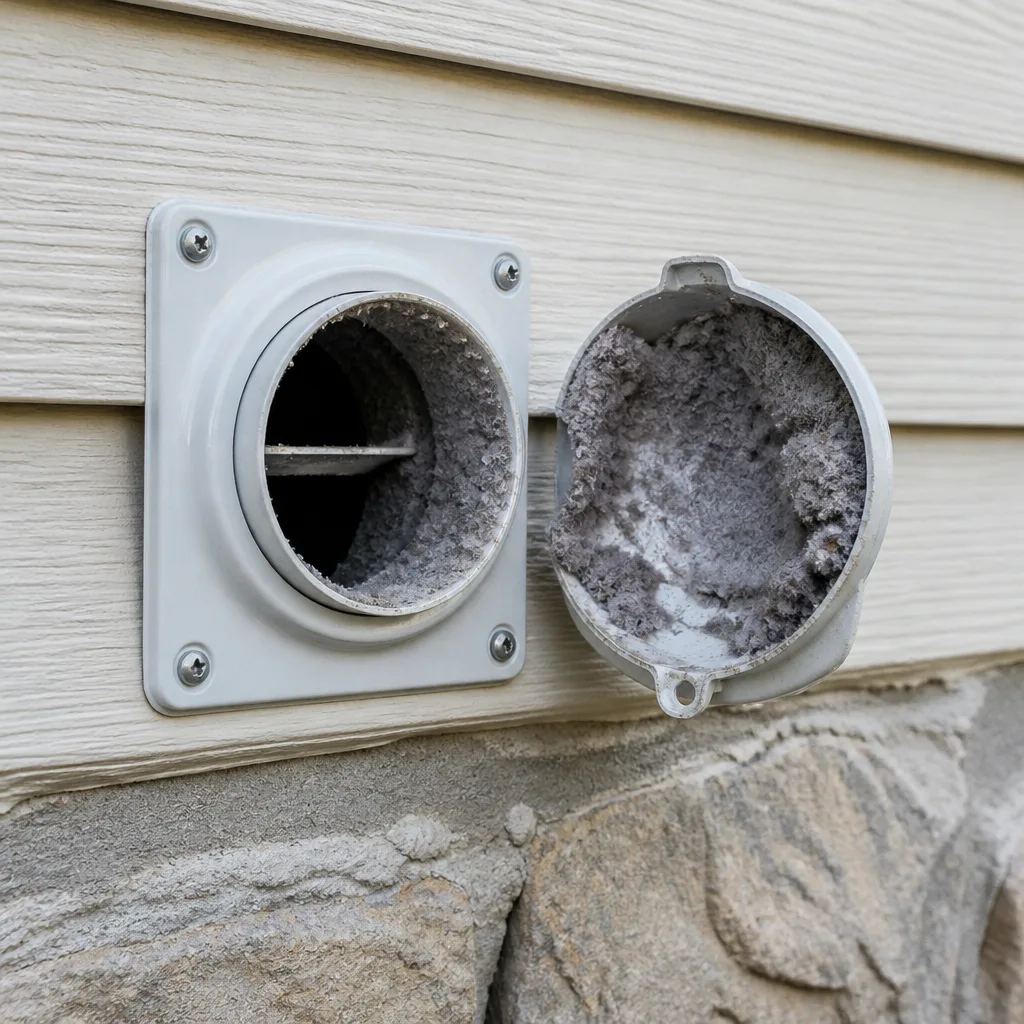 Dryer vent cleaning
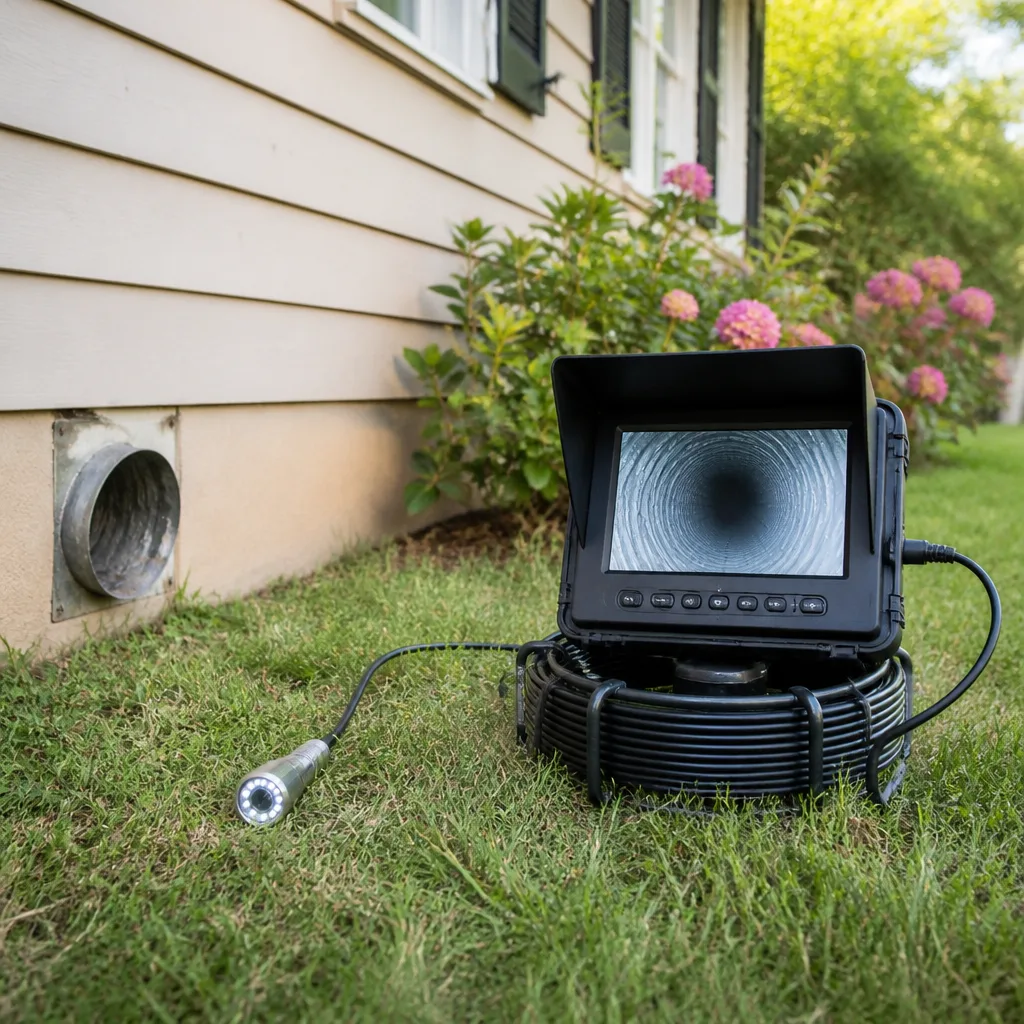 Camera inspection
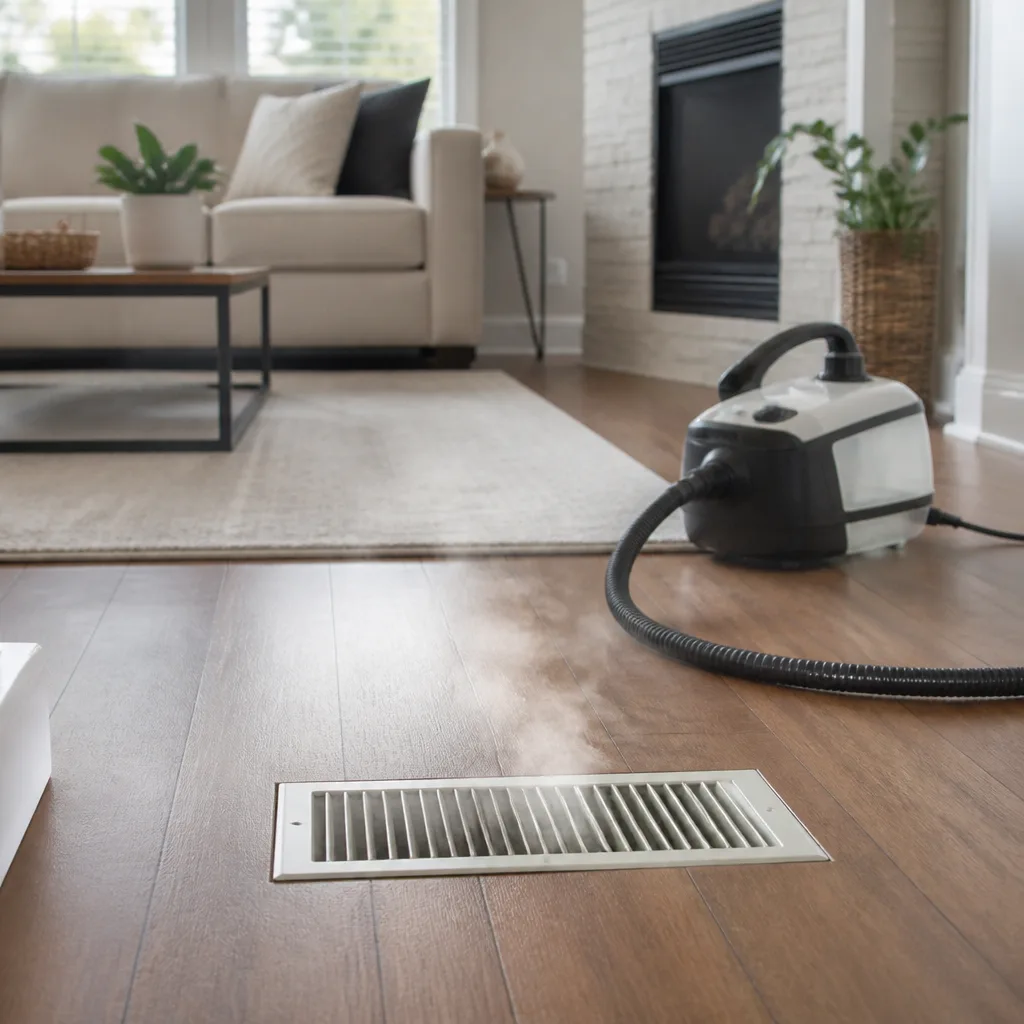 Sanitizing & deodorizing
Whole-system duct and dryer vent check with before-and-after photos - you see exactly what came out of your vents
That "$99 whole-house special" is a bait ad - the real number appears once they are in your hallway, or the "clean" is a shop-vac at the register. We photograph the inside of your ducts before and after instead.
Seasonal Air Duct Cleaning Care for Elgin: Year-Round Homeowner’s Guide
Most duct cleaning advice tells you to schedule the work every three to five years and leaves it at that. That schedule was written for a mild climate with a short cooling season and a gentle heating season. Elgin doesn’t have either. Our summers push the air handler hard for weeks at a time, and our winters run the furnace almost continuously for months. Those two seasons stress a duct system in opposite ways, and they build on each other. A single calendar interval can’t account for that. What actually works is matching specific maintenance tasks to what the system is doing in each season. This guide walks through the full year in an Elgin home, from spring coil checks to winter particulate loading, and shows you how to time a professional cleaning so it follows the season that dirties your system the most.
Quick Answer
In Elgin, air ducts should be inspected each spring before cooling season and cleaned after the season that generates the most contamination in your particular system, which for most homes is late summer or early fall. Homes with pets, recent renovation dust, or a system that runs continuously through winter may need cleaning sooner than the standard three-to-five-year interval. A professional evaluation of your duct system, not a fixed calendar, sets the right schedule.
Styles & brands we work with
- Whole-home duct cleaning
- Dryer vent cleaning
- Camera inspection
- Sanitizing & deodorizing
Table of Contents
- Why Elgin’s Climate Breaks the Standard Cleaning Schedule
- Spring: Inspect the Coil and Drain Pan Before Cooling Season
- Summer: Humidity, Biofilm, and What Your Supply Vents Are Telling You
- Fall: What Furnace Startup Dislodges After a Dormant Summer
- Winter: Continuous Heating and Return-Duct Particulate
- How to Time a Professional Cleaning to Your System Type
- Dryer Vent Care Through the Seasons
- Common Mistakes to Avoid
Why Elgin’s Climate Breaks the Standard Cleaning Schedule
Elgin sits in northern Illinois, where the climate swings harder than the national average in both directions. Summers bring stretches of high humidity, and winters deliver sustained cold that keeps a furnace running for months without much rest. That combination matters for ductwork because the two seasons contaminate a system differently.
In summer, the air conditioner pulls warm, humid air across a cold evaporator coil. Moisture condenses on the coil, and a properly functioning drain pan carries it away. But when airflow is restricted or the coil surface is already coated with dust, that moisture lingers. Dust that’s been sitting in the system all winter becomes a damp surface, and damp surfaces support biological growth. In winter, the opposite happens. The furnace runs almost constantly, moving a high volume of heated air through the duct system for months. Every cubic foot of air carries fine particulate, and the return ducts act like a settling chamber.
What this means for an Elgin homeowner is that contamination accumulates on two different fronts. You get a wet-season problem and a dry-season problem in the same duct system within a single year. A cleaning schedule based on a generic interval ignores both. The better approach is to understand what’s happening inside the duct system in each season and act on it.
We see this pattern clearly in our work across Elgin. Homes that get a single cleaning on a fixed schedule often show heavy buildup in the return side and a film on the supply side that a surface vacuum would never touch. That’s why we use contact cleaning rather than vacuum-only methods.
Spring: Inspect the Coil and Drain Pan Before Cooling Season
Spring is the prep season. Before the air conditioner starts running daily, the evaporator coil and drain pan deserve a look. This is the single most useful inspection of the year for an Elgin home, because whatever condition the coil is in when cooling season starts is the condition it will carry through the hottest, most humid weeks.
Here’s what a spring inspection should cover:
- The evaporator coil surface. A coil coated with dust loses its ability to transfer heat, and the dust becomes the base layer for summer moisture. Coil cleanliness is directly tied to how well the system dehumidifies.
- The drain pan and drain line. A pan that holds standing water or a line that’s partially clogged will overflow or back up. Spring is when that’s cheap to catch and expensive to ignore.
- The return-air path. Check that return grilles aren’t blocked by furniture, rugs, or the accumulation of a winter’s dust. Restricted return air is the most common cause of a strained system.
- The filter. A filter that’s loaded from winter heating restricts airflow all through cooling season. Change it before the first hot stretch, not after.
One thing about the coil itself: it’s a finned component with sharp edges and sits in a tight cabinet. Cleaning it properly takes the right equipment and some care. We don’t recommend homeowners try to clean a coil by hand. Have it inspected, and let a trained technician handle the cleaning if it’s needed. Our technicians have up to 14 years of experience and know how a northern Illinois coil behaves after a long winter.
This spring inspection is also the right time to check the duct system for physical problems. Loose joints, disconnected runs, and crushed flex duct all show up more clearly before the system starts running hard. That’s why we offer air duct repair as its own service. A cleaned but leaking system still pulls unconditioned air and dust into the ducts.
Summer: Humidity, Biofilm, and What Your Supply Vents Are Telling You
Summer is when the moisture problem shows itself. When outdoor humidity stays high and the air conditioner runs a lot, every cycle pulls humid air across the cold coil. If the coil and drain pan are working correctly, that moisture leaves the system. If they aren’t, some of it stays inside.
Inside supply ducts, persistent moisture creates conditions where a film can form on duct walls. This is sometimes called biofilm, and it’s a sign the system is staying damp when it shouldn’t. You may notice it before you can see it. Here’s what to watch for:
- A musty or earthy smell coming from supply registers when the air conditioner runs. Clean ductwork smells neutral; damp biological growth does not.
- Visible dark spotting on the inside of a register boot or on the first stretch of duct you can see with a flashlight.
- Increased allergy-type symptoms indoors that seem worse in the summer, especially in rooms furthest from the air handler.
- Condensation on duct surfaces or registers in humid weather, which can point to inadequate insulation or air leaks pulling moist air in.
If there’s a persistent musty smell, don’t assume duct cleaning alone solves it. That smell can also come from a wet coil, a clogged drain pan, or standing water somewhere in the system. Those causes need to be corrected, or cleaning the ducts just removes the surface growth and leaves the moisture source in place. We do duct cleaning, dryer vent cleaning, and air duct repair. We don’t do mold remediation, and if a technician finds signs of significant mold growth, we’ll tell you and point you toward a specialist who handles it.
Elgin’s humid summers are also when the duct system’s physical integrity matters most. A leaky return duct in an unconditioned attic or crawl space pulls in hot, humid outdoor air. That air carries moisture straight into the system. Air duct repair closes that loop, which is why we treat repair as a core part of seasonal care and not an upsell.
Fall: What Furnace Startup Dislodges After a Dormant Summer
Fall is the season most homeowners overlook, and it’s the one that produces the most surprising results. After months of little or no heating, the furnace starts up again. The first several days of heating season move air through ductwork that’s been sitting, sometimes for months, with dust and debris settled on its surfaces.
What happens next is predictable. The air handler pushes heated air at higher volume through the supply and return ducts, and settled particulate gets lifted back into the airstream. A furnace that started the season clean may run the first week with a faint burning-dust smell, which is normal and usually clears. But in a system with heavy accumulation, that first startup distributes a real load of debris through every room.
Here’s the sensible fall sequence:
- Replace the filter before the first heating cycle. A clean filter catches what the startup lifts and keeps it out of the airstream.
- Have the furnace checked by an HVAC technician. We don’t do furnace repair, and we won’t pretend to. A heating professional should confirm the heat exchanger and burners are safe before the long heating season begins.
- Walk the house and check every supply and return register. Look for dust trails, dark streaks around the grilles, or visible debris in the boot.
- Schedule a duct inspection if you see heavy dust patterns, especially on the return side. Fall is a good time to get a professional assessment, before the system runs continuously through winter.
In our experience, the homes that clean most effectively are the ones where the work happens right after that fall startup dust has been generated. Cleaning before startup leaves the system clean for the few days it takes to get dirty again. Cleaning after startup catches the whole load.
Winter: Continuous Heating and Return-Duct Particulate
Winter concentrates particulate in a specific part of the system: the return ducts. When a furnace runs for weeks on end, the return side acts like a settling chamber. Every room’s air passes through the returns, and the heavier particles drop out along the slow-moving stretches of return duct before reaching the air handler.
Two things make this worth attention in Elgin, where winters run long:
- The return ducts accumulate far more than the supply side. This is where a professional cleaning earns its keep, because a return duct that’s carrying a settled layer of dust is also carrying that load whenever airflow increases.
- Return leaks near the air handler can pull in dust from basements and crawl spaces. A return that’s loose or disconnected close to the furnace draws whatever is near it directly into the airstream, bypassing the filter entirely in some configurations.
Winter is also when the filter has the hardest job. Continuous runtime means the filter loads faster than it does in shoulder seasons. Check it monthly and change it when it’s visibly gray. If you run a high-MERV filter, watch that it isn’t restricting airflow, which can strain the blower motor and, in some systems, cause the furnace to run hotter than it should.
If your home uses a Honeywell or Aprilaire air cleaner or humidifier, winter is the season those accessories are doing the most work, and they need servicing too. We work with both brands as part of whole-system air quality, and we can advise on filter and accessory servicing alongside a duct cleaning. An Aprilaire humidifier that’s been sitting unused since spring is worth checking before the first hard freeze, when dry indoor air makes its presence felt.
How to Time a Professional Cleaning to Your System Type
The single most useful principle in this guide is this: clean after the season that generates the most contamination in your specific duct system, not before it. Most generic advice gets this backward or ignores it entirely. Where the contamination builds depends on how your system is set up and how your home runs.
Use this framework to think about your own home:
- Cooling-dominated homes. If your air conditioner carries most of the load and the furnace is a backup, the heaviest contamination builds through summer. The best time to clean is late summer or early fall, before furnace startup adds another layer.
- Heating-dominated homes. If winter has the system running continuously and summer cooling is light, the returns do most of the accumulating. Clean in late winter or early spring, after the heavy runtime, before cooling season begins.
- Homes with pets or recent renovation. Pet dander and construction dust load the system faster than the seasons alone would. Consider a professional assessment once the source of dust is under control, rather than waiting for a calendar milestone.
- Homes with known duct leaks. Repair before cleaning, not after. Cleaning a leaking system just moves dust through a filter that leaks unfiltered air right back in. Air duct repair is a standalone service and often the first step.
- Homes with high indoor humidity. If your system struggles to dehumidify in summer, get the coil and drain pan inspected first. Cleaning a damp duct system without finding the moisture source won’t hold.
If you’re not sure which category your home fits, that’s exactly what a professional assessment answers. We use a Rotobrush rotary brush system, which physically agitates and removes buildup from duct walls, and Nikro HEPA-rated extraction equipment to capture what the brushing dislodges. That’s contact cleaning, not a vacuum pulled from a single access point. The difference is visible on a before-and-after inspection, and we photograph it on every job. For a full look at the process, our air duct cleaning page walks through each step.
Dryer Vent Care Through the Seasons
Ductwork and dryer vents share a seasonal rhythm, but dryer vents carry a safety dimension that household air ducts don’t. The U.S. Fire Administration identifies dryer vents as a leading cause of home clothes dryer fires, and lint accumulation is the reason. In an Elgin winter, the vent run may also work harder when a household does more laundry and the vent faces a cold exterior wall.
A few seasonal notes worth acting on:
- Clean the lint screen every load. That’s not duct cleaning, but it’s the baseline habit that keeps the vent from loading as fast.
- Check the outdoor vent flap. In winter, snow, ice, or a stuck flap can block exhaust airflow. A blocked vent is a fire risk and a reason to stop running the dryer until it’s cleared.
- Watch the drying time. If clothes suddenly take much longer to dry, the vent is likely restricted. That’s a signal to have it cleaned, not to run the machine harder.
- Inspect the vent once a year. A professional dryer vent cleaning removes the lint that’s made it past the screen and into the duct run. Our dryer vent cleaning service covers this.
Dryer vent fire risk is worth treating as a genuine safety item rather than a maintenance checkbox. A clean, unobstructed vent run matters more than almost anything else you can do for the laundry area.
Common Mistakes to Avoid
- Cleaning on a rigid three-to-five-year schedule regardless of season. That interval was built for a milder climate. In Elgin, the timing of the cleaning matters as much as the frequency.
- Cleaning before the season that generates the heaviest load. Cleaning a system in early spring only to have summer’s humidity load it again within weeks wastes the job. Follow the dirt.
- Ignoring duct leaks while chasing cleanliness. A cleaned but leaking duct system pulls unfiltered air back into the ducts and wastes energy. Repair first, then clean.
- Assuming a musty summer smell is always a duct cleaning problem. It can also be a wet coil, a clogged drain pan, or a leak. Duct cleaning alone won’t fix a moisture source that stays in place.
- Skipping the filter during heating season. A loaded filter restricts airflow all winter and can strain the blower. Check it monthly.
- Treating a dryer vent as a once-in-a-lifetime cleaning. Lint accumulates every load. A vent run needs periodic attention, especially through the colder months.
- Hiring on price alone. A low up-front number often means a vacuum pulled from a single access point, with no contact cleaning of the duct walls. Ask what equipment is used and what the scope covers before booking.
See the difference
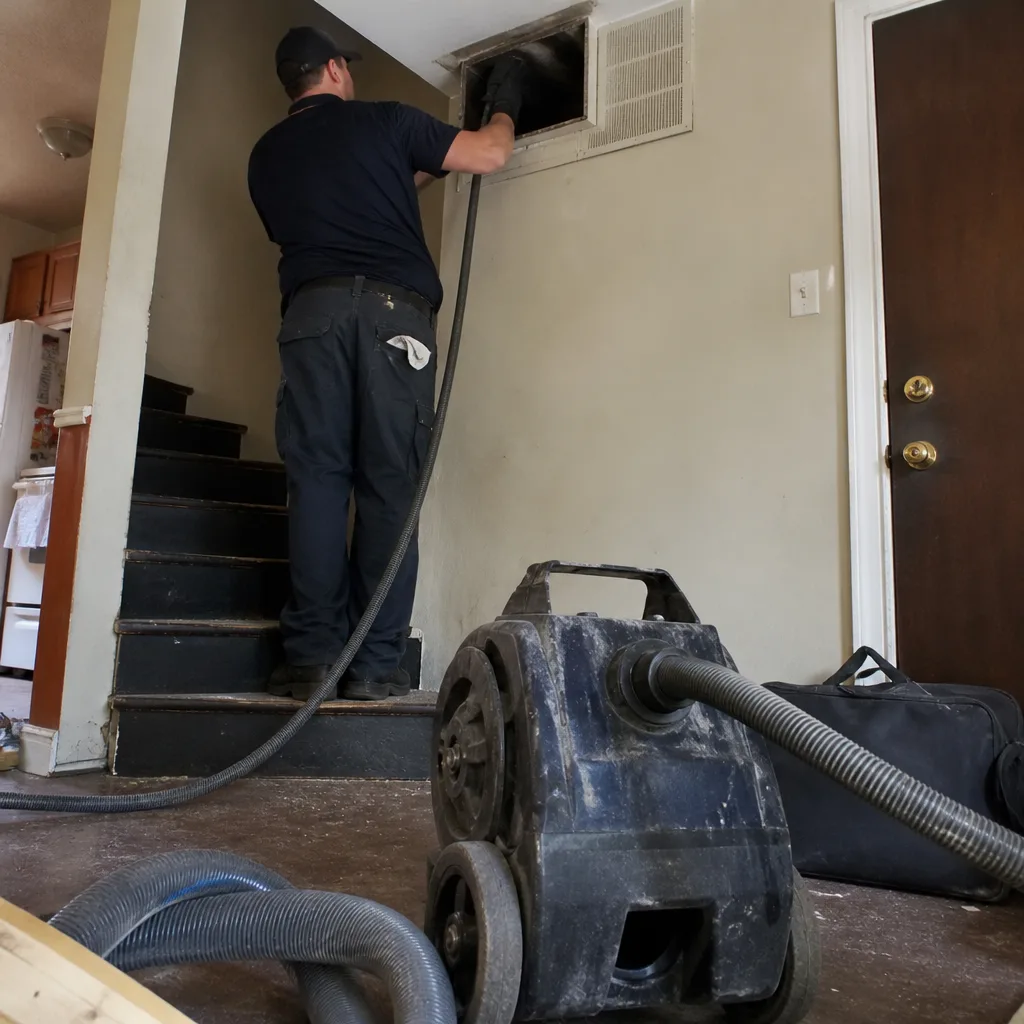 Before
 After
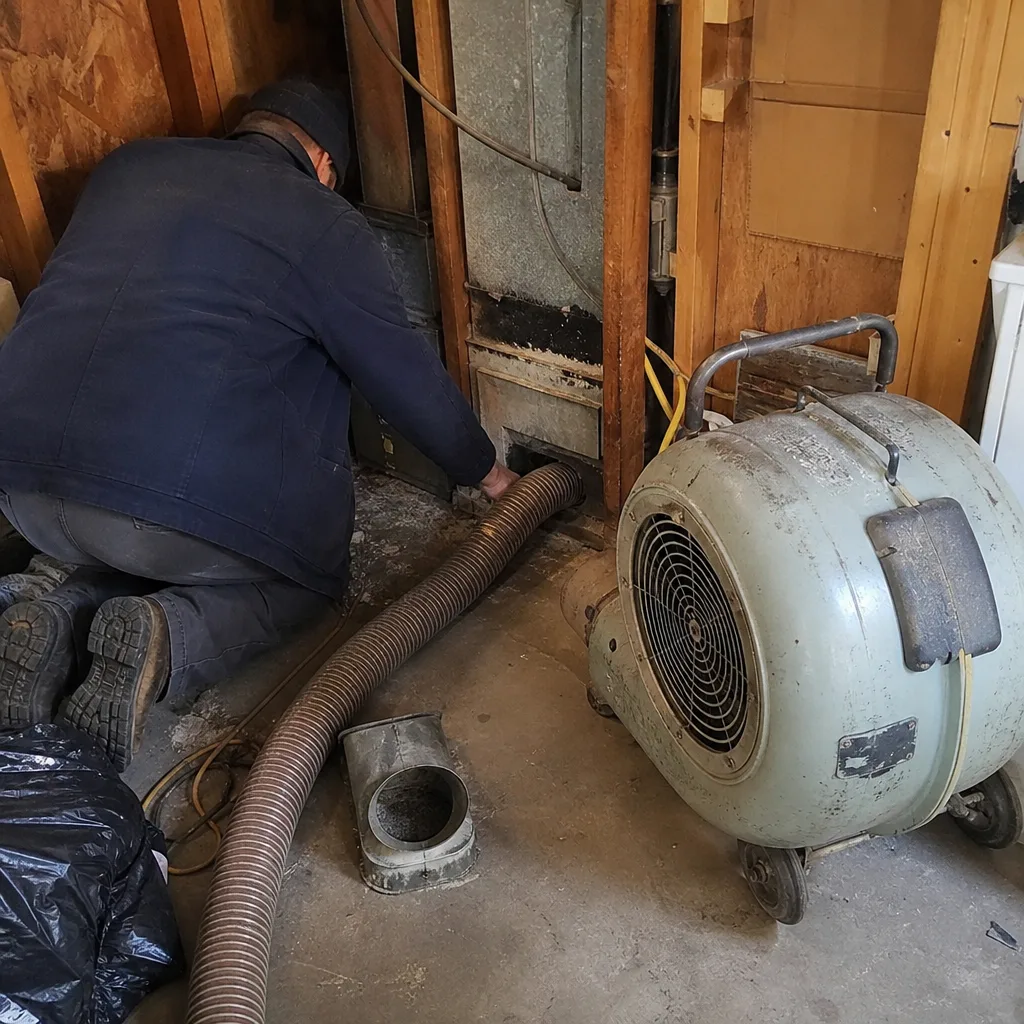 Before
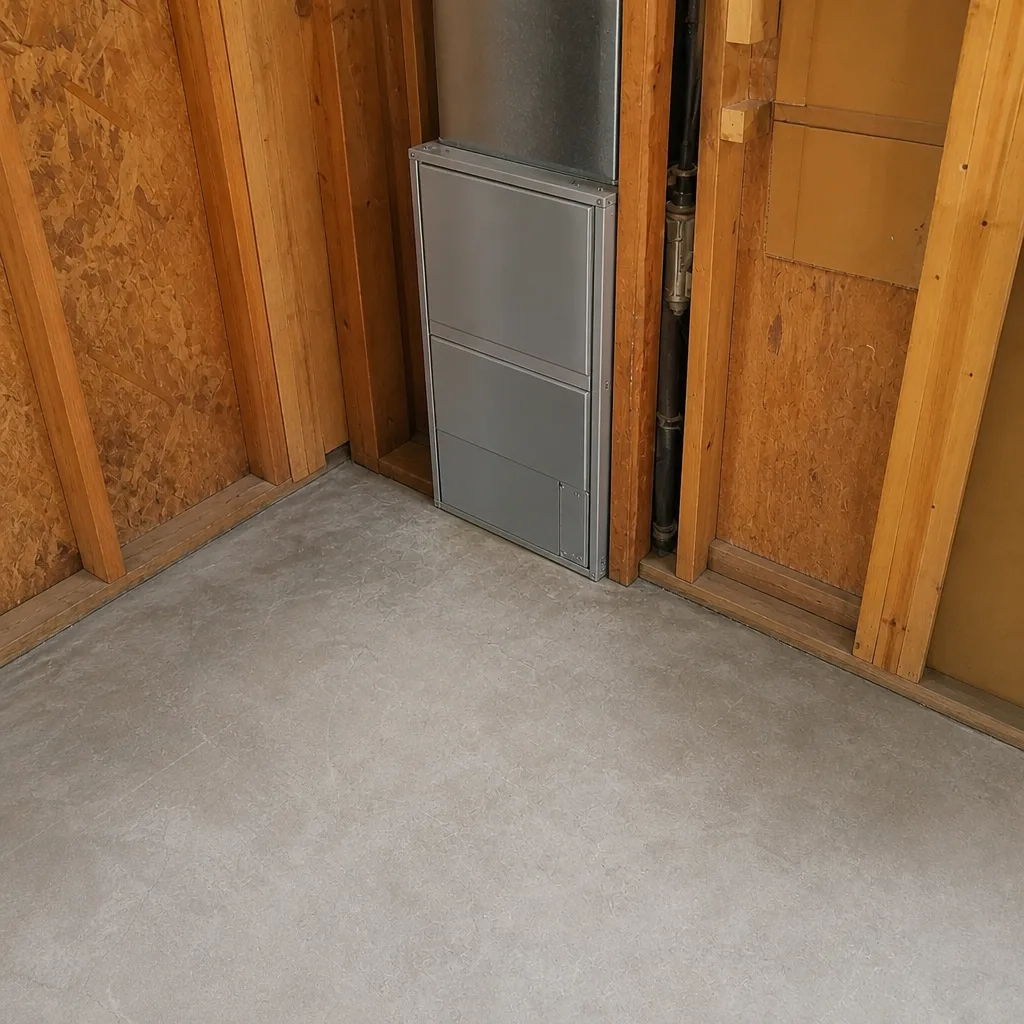 After
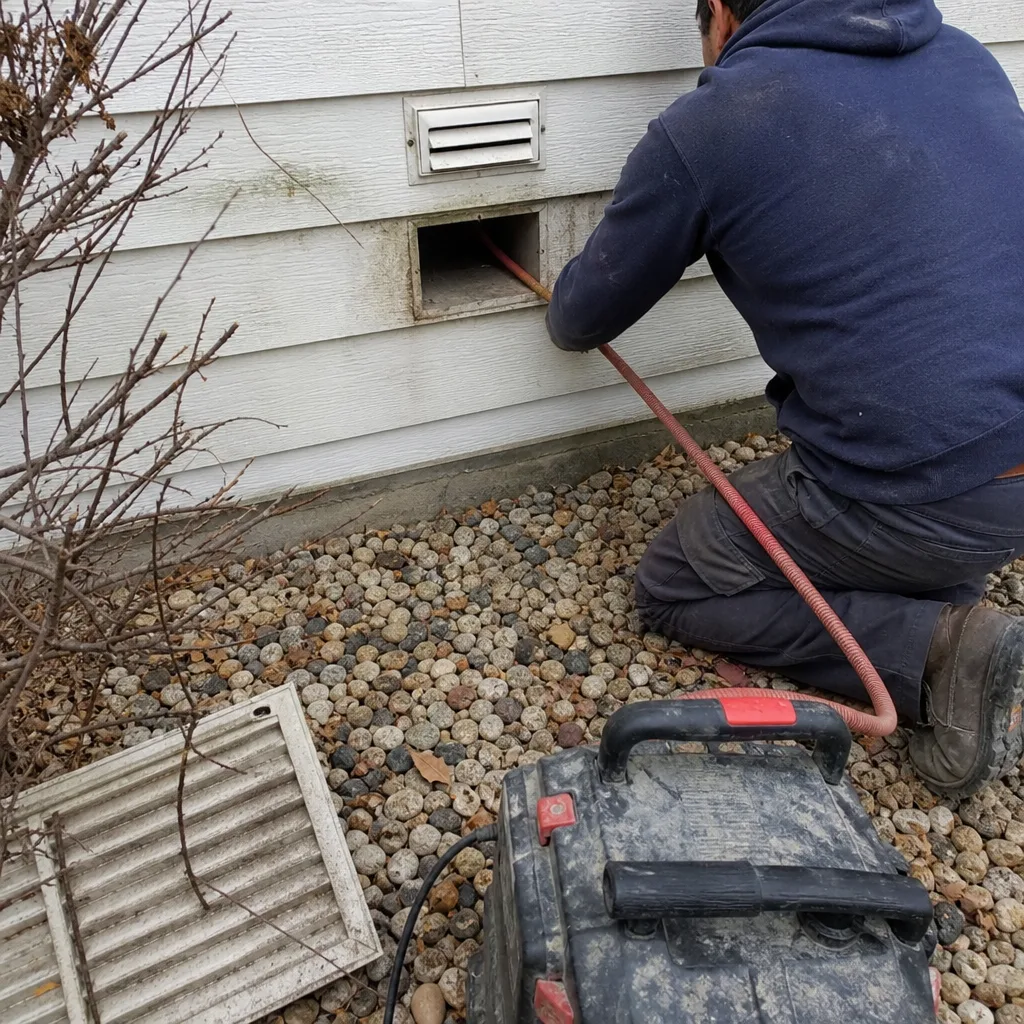 Before
 After
When to Call a Professional
Some situations are clear calls for a professional. You see a sustained musty smell from the supply registers in humid weather. You’ve bought a home and don’t know when the ducts were last cleaned. You’ve completed a renovation and the contractors didn’t seal the return ducts. You notice visible dust trails around returns or dark streaks near registers. Your system has a known duct leak, crushed run, or disconnected supply. Or you’ve simply had the system running hard for several years without a professional inspection.
When you call, ask what equipment the contractor uses and what the scope includes. A real duct cleaning goes beyond a surface vacuum. It agitates the duct walls and captures what’s dislodged with HEPA-rated extraction. Duct Cleaning Elgin offers free estimates in Elgin. Call (855) 393-2846. We answer 24/7. Fast dispatch from 7am to 7pm, Sunday through Friday. The price is set per job by the written estimate, and you see before-and-after photos of your own duct system.
Frequently Asked Questions
In Elgin, most homes should be inspected each spring and cleaned based on what the inspection finds, which for many homes lands in late summer or early fall, after the season that loads the system heaviest. A generic three-to-five-year interval doesn’t account for Elgin’s humidity in summer and sustained furnace runtime in winter, both of which load a duct system differently. Households with pets, recent renovations, or continuous winter heating may need cleaning more often. Call (855) 393-2846 for an exact quote and a free estimate.
Late summer or early fall is the best time for most Elgin homes because it follows the humid cooling season that generates the heaviest load in many systems, and it lands before winter’s continuous heating adds another layer. Homes that are heating-dominated may prefer late winter or early spring, after the heavy furnace runtime and before air conditioning ramps up. The right timing depends on your system type. Call (855) 393-2846 for an exact quote tailored to your home.
Duct cleaning can reduce the dust, pollen, and settled particulate your system circulates, which may help if those are aggravating symptoms indoors. It won’t solve allergies on its own. If you have a persistent musty smell in humid weather, the moisture source needs to be found and corrected, because cleaning without finding the source won’t hold. Call (855) 393-2846 for an exact quote and a free assessment.
Repair comes before cleaning when there are known duct leaks, crushed runs, or disconnected sections. A cleaned but leaking system pulls unfiltered air back into the ducts, so cleaning first wastes the work. Air duct repair is a standalone service, and we can inspect your system and tell you which order makes sense. Call (855) 393-2846 for an exact quote.
Ask for before-and-after photos of your own duct system, taken during the job. A contractor using contact cleaning equipment, like a Rotobrush rotary brush with Nikro HEPA extraction, has visible results to show. If a company can’t produce photos of your system, that’s a reason to ask more questions. Call (855) 393-2846 for an exact quote and a free estimate.
The cheapest quotes are usually surface vacuums pulled from a single access point, with no contact cleaning of the duct walls. That’s a different service. A real duct cleaning agitates the walls and captures debris with HEPA-rated extraction, which takes more equipment and more time. Ask what equipment will be used on your job before you book. Call (855) 393-2846 for an exact quote and a clear scope.
The Bottom Line
Elgin’s climate doesn’t let a duct system settle into a predictable pattern. Summer humidity and winter runtime each load the system in ways the other season doesn’t, so a fixed cleaning interval misses half the picture. The practical takeaway is to inspect each spring, watch the supply registers through the humid months, clean after the season that dirties your system most, and keep the filter changed through the long heating season. Pair that with an annual dryer vent cleaning and a check for duct leaks. If the system has been running hard for years without a professional look, get a free estimate. Call (855) 393-2846. We answer 24/7. Fast dispatch from 7am to 7pm, Sunday through Friday.
For a broader look at how the service fits together, start at Duct Cleaning Elgin, where we lay out what the three core services cover: cleaning, air duct cleaning, dryer vent cleaning, and Elgin-based repair work.
Written by the team at Duct Cleaning Elgin.