
Last updated November 16, 2026
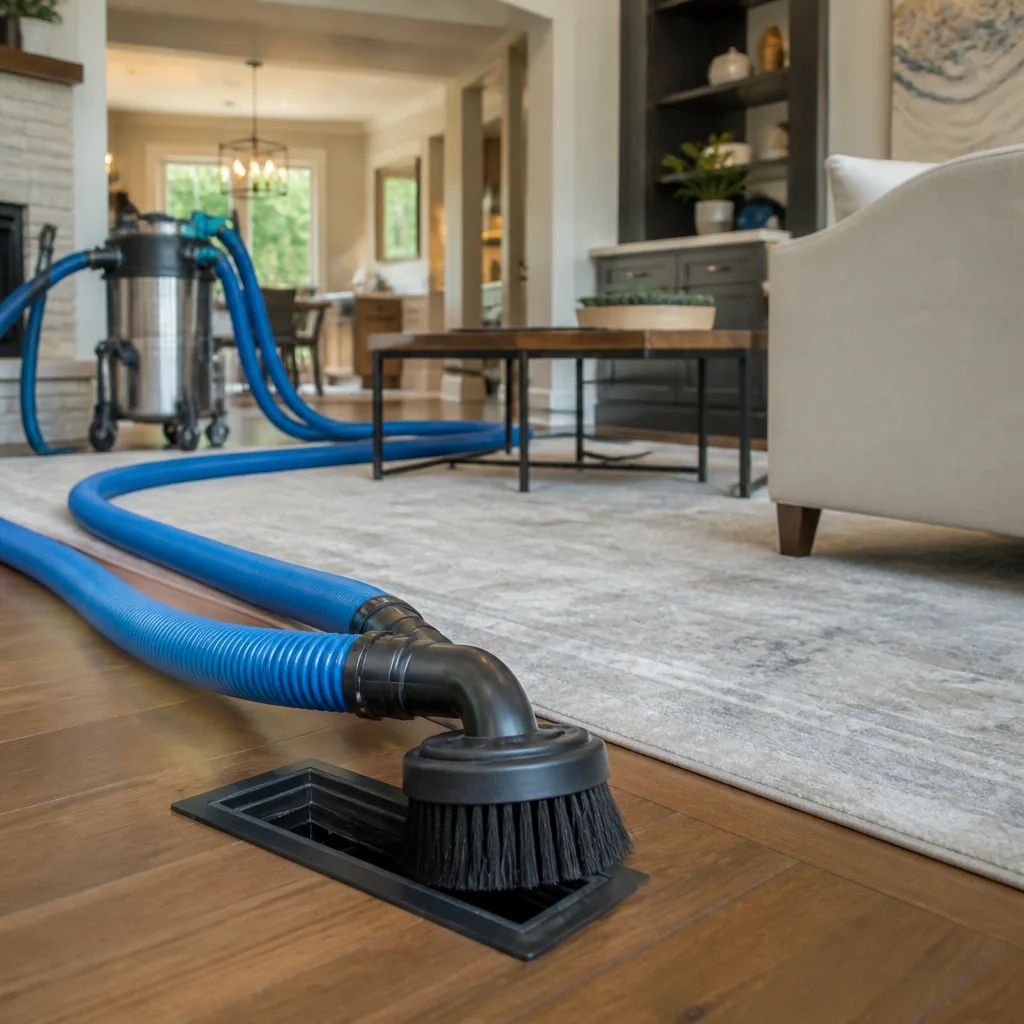 Whole-home duct cleaning
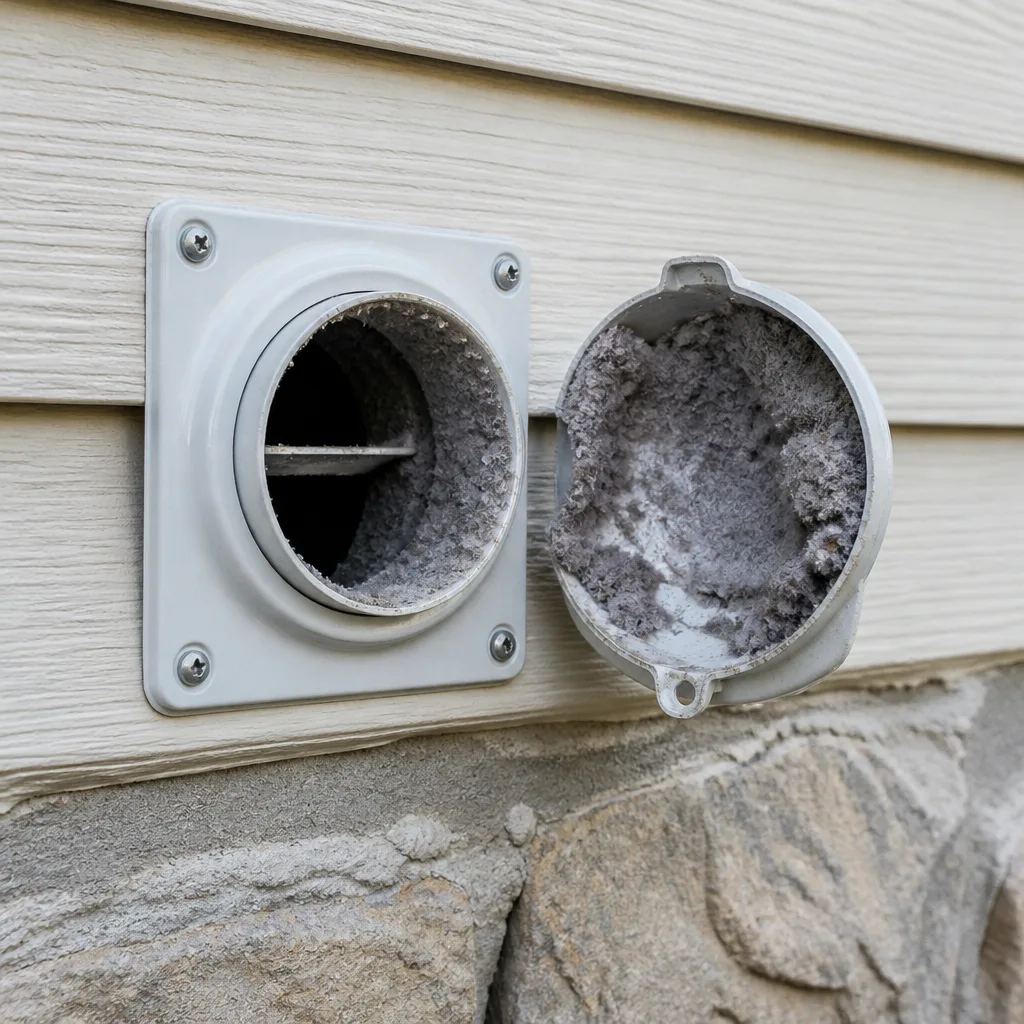 Dryer vent cleaning
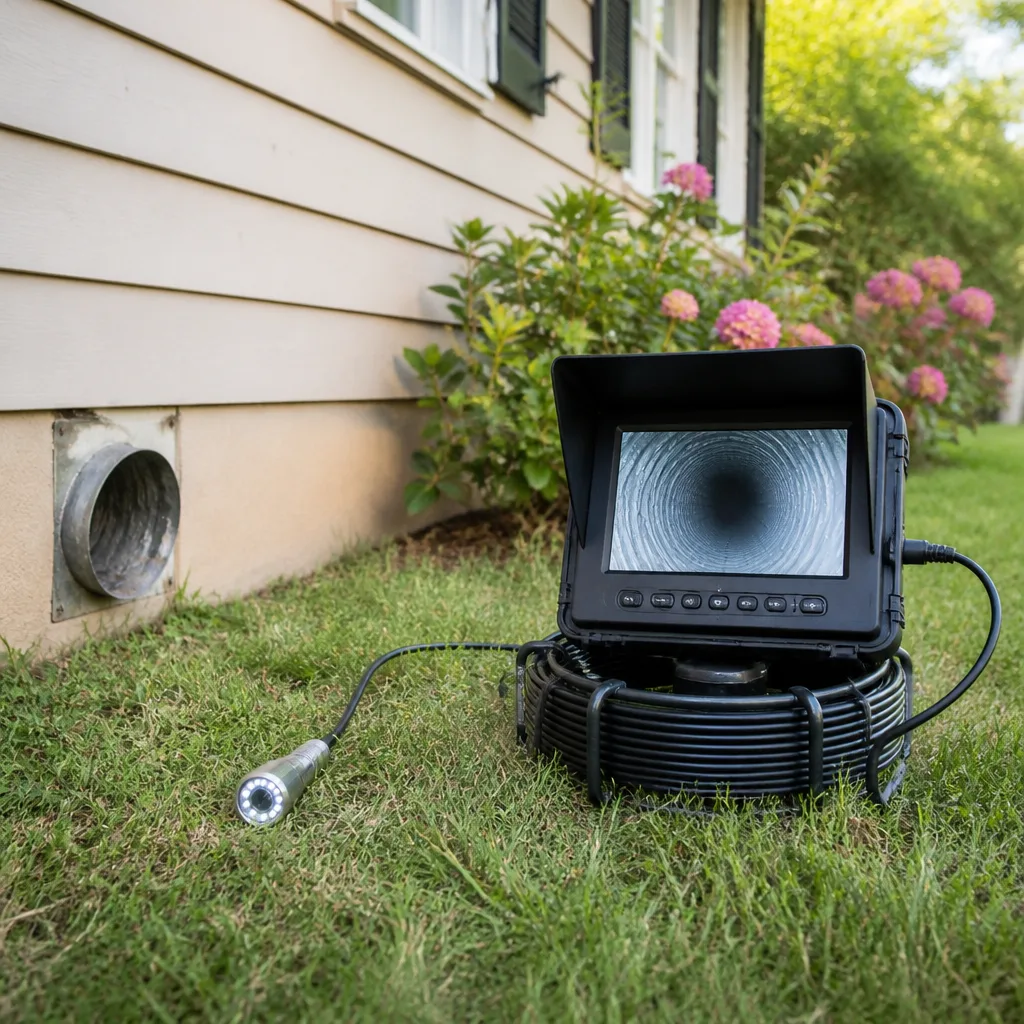 Camera inspection
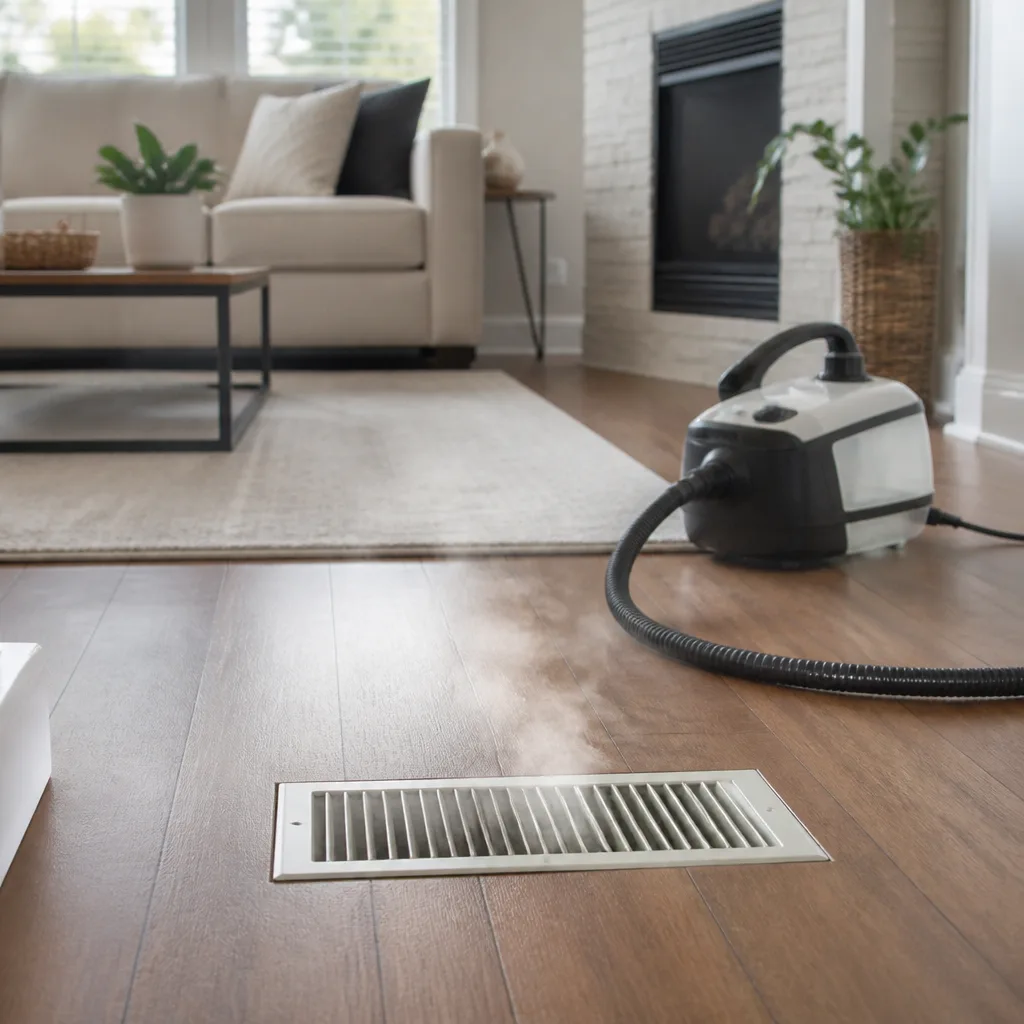 Sanitizing & deodorizing
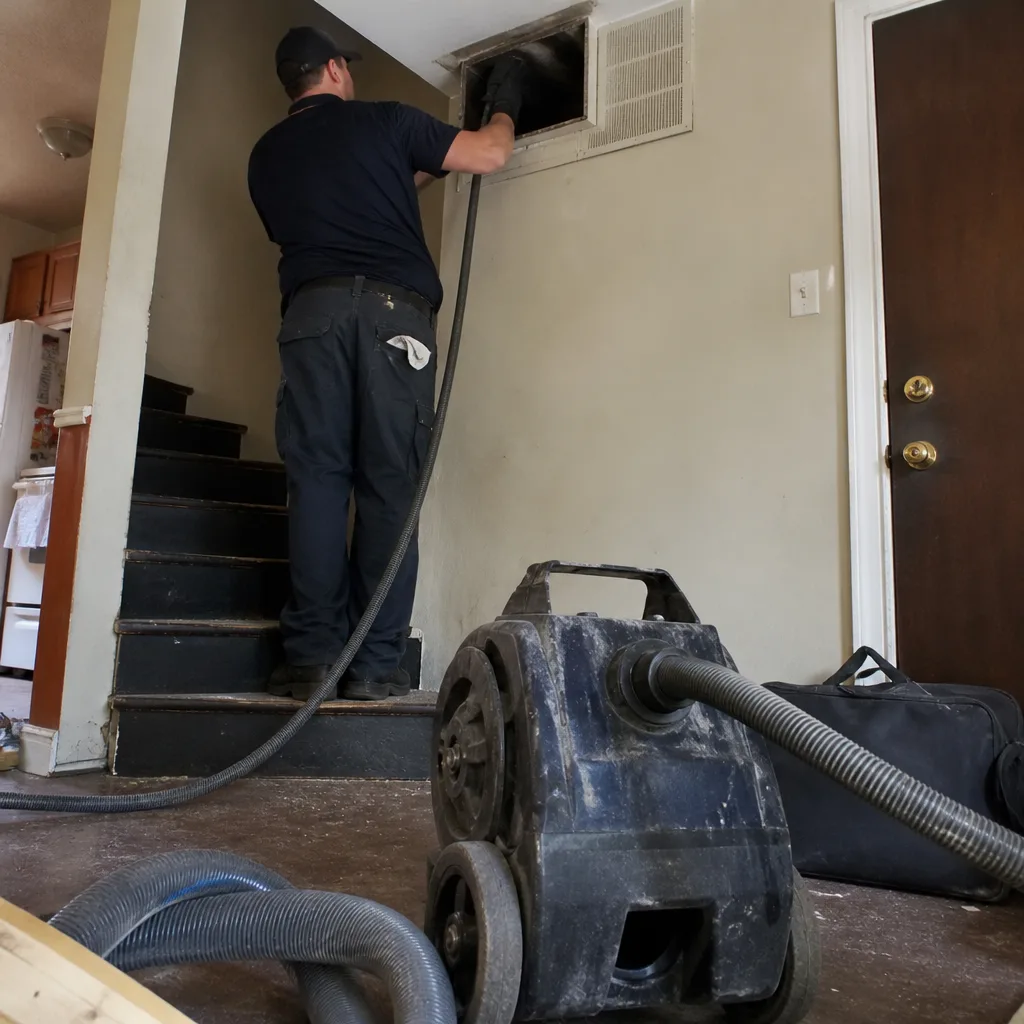
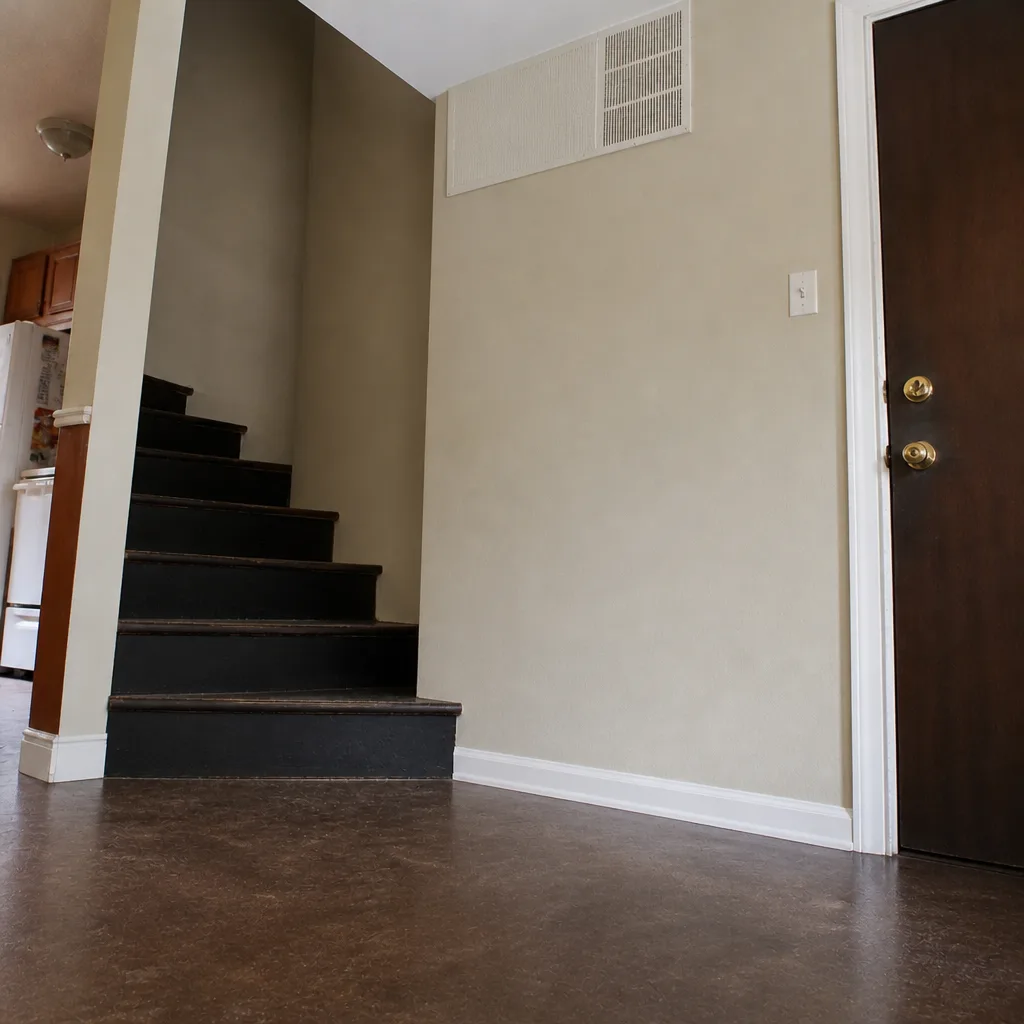
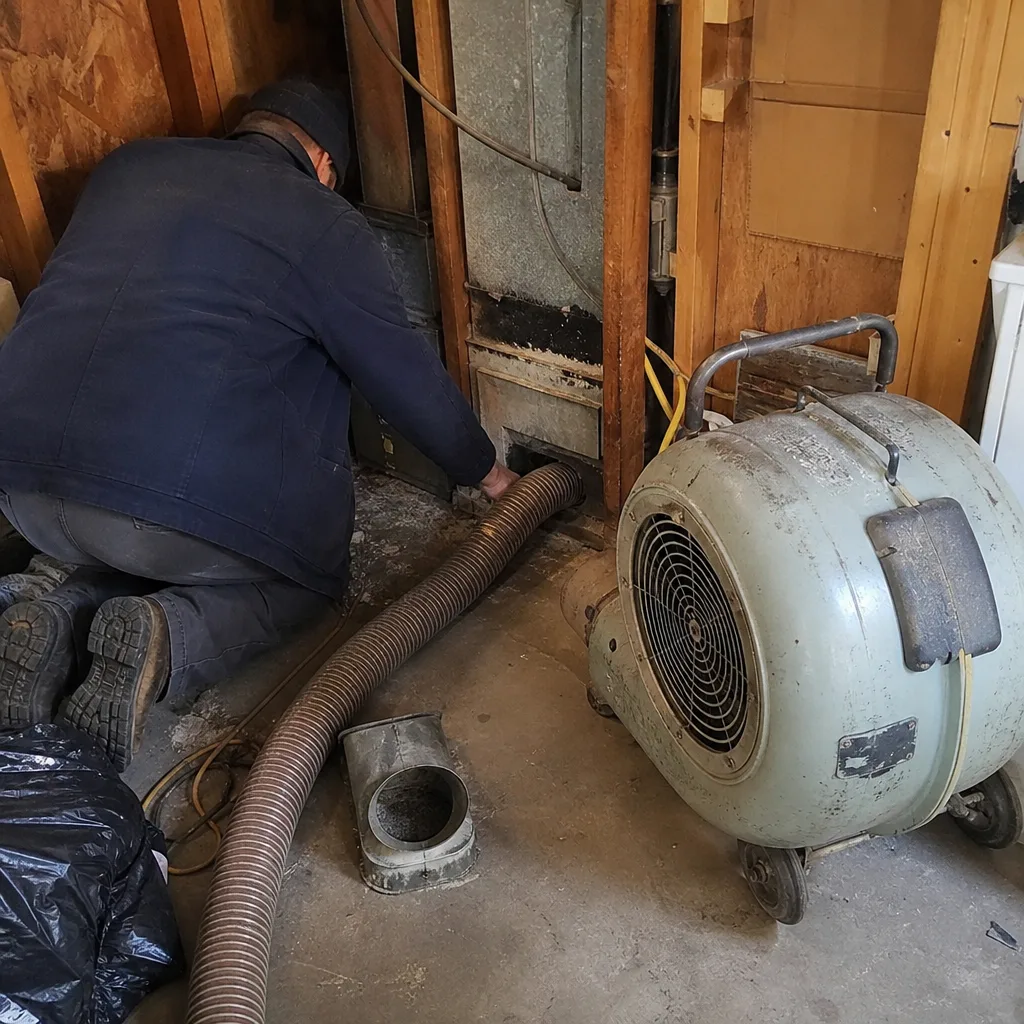
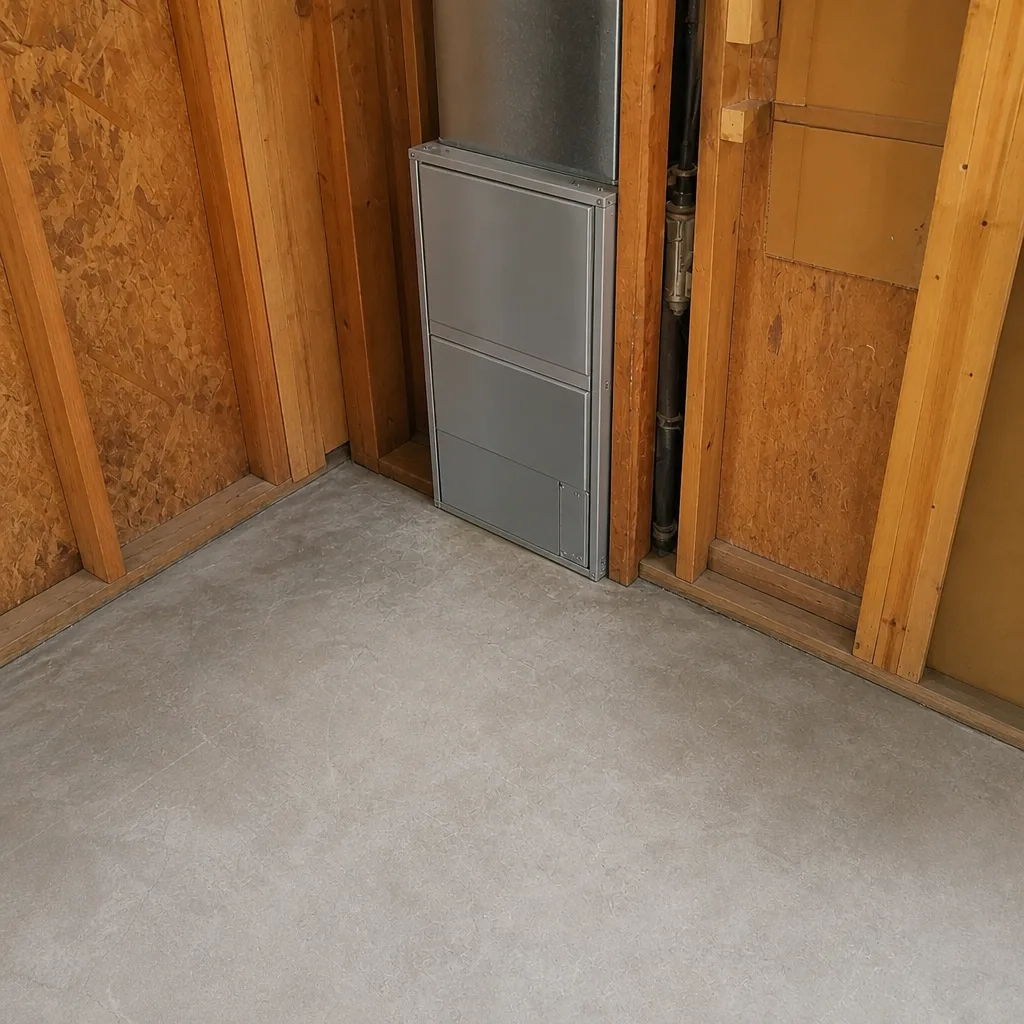
Whole-system duct and dryer vent check with before-and-after photos - you see exactly what came out of your vents
That "$99 whole-house special" is a bait ad - the real number appears once they are in your hallway, or the "clean" is a shop-vac at the register. We photograph the inside of your ducts before and after instead.
Air Duct Cleaning Emergency Preparedness Guide for Elgin Homes
Most homeowners think about duct cleaning as routine maintenance, something to schedule when the vents look dusty or allergy season arrives. That thinking breaks down fast after a house fire, a basement flood, a sewage backup, or a storm that peels back part of your roof. Running your HVAC after a basement flood, before the ductwork is inspected, can push aerosolized sewage bacteria or mold spores through every room in the house within one heating cycle. That’s not a scare tactic. It’s how a forced-air system works: whatever is sitting in the ducts gets carried to the rooms you live in. This guide walks through the contamination events that call for immediate duct assessment in Elgin, what each one leaves behind, how the 48-to-72-hour mold window changes the timing, and how to talk to your insurance adjuster about the scope of work.
Quick Answer
Emergency duct cleaning is needed when a contaminant event (fire, flood, sewage backup, or storm debris) has introduced soot, moisture, bacteria, or debris into the duct system and the HVAC should not run until the ducts are assessed. In Elgin, that assessment should happen before you turn the system back on, not after. A qualified contractor inspects the duct system, contains the affected sections, and extracts debris with HEPA-rated equipment rather than a shop vac.
Styles & brands we work with
- Whole-home duct cleaning
- Dryer vent cleaning
- Camera inspection
- Sanitizing & deodorizing
Table of Contents
- Post-Fire Duct Protocol: Soot, Smoke, and Why Odor Spray Isn’t Remediation
- Water Intrusion Events and the 48-72 Hour Mold Window
- Tornado and Storm Debris: What Enters the Ducts and How It Differs From Dust
- Talking to Your Insurance Adjuster About Duct Cleaning Scope
- How to Vet a Contractor for Emergency Remediation Work
- Household Triage: What to Do in the First Hour
- Prevention: What Elgin Homeowners Can Do Before an Emergency Hits
- Why Air Duct Repair Belongs in the Emergency Conversation
Post-Fire Duct Protocol: Soot, Smoke, and Why Odor Spray Isn’t Remediation
After a fire, the visible damage is the easy part. The harder question is what’s inside the duct system. Smoke travels through a forced-air system while the fire is burning, and it carries soot particles (some as small as a micron) that settle on duct interior walls. Those particles keep releasing odor every time the system cycles. That’s why an odor-blocking spray or a fogging treatment feels like progress for a week and then the smell returns. Spraying covers the surface; it doesn’t remove the deposit.
What actually removes post-fire contamination is contact cleaning. A rotary brush system, like the Rotobrush equipment we use, physically agitates the soot and char deposits off the duct walls, and a HEPA-rated vacuum, such as a Nikro system, captures the dislodged material. The HEPA standard matters here: it’s the same filtration required in mold and asbestos remediation environments, and it’s what keeps a very fine, very mobile contaminant from getting pushed back into the living space. We also carry Abatement Technologies equipment, a remediation-grade brand homeowners rarely see on a standard cleaning job.
The post-fire sequence we recommend to an Elgin homeowner looks like this:
- Do not run the HVAC. Turn the thermostat off at the breaker if you’re not sure.
- Ask the fire department or restoration team whether the duct system is inside the charred or smoke-affected zone.
- Get a written duct assessment before any cleaning starts, so the scope is clear to you and your insurer.
- Schedule contact cleaning plus HEPA extraction, with the sections that show the heaviest deposit noted in the report.
- Replace the filter after cleaning, and confirm the system runs clean before normal operation resumes.
Soot is a health irritant, not just a smell. If a fire has occurred, the safe move is a full assessment by a contractor who uses remediation-grade equipment and documents the process. A trained team is the right call here, not a homeowner with a shop vac and a ladder.
Water Intrusion Events and the 48-72 Hour Mold Window
This is the scenario that catches Elgin homeowners off guard most often. A sump pump fails, a pipe bursts, or a heavy rain event sends water into a finished basement. The ducts run overhead or along the basement ceiling. If water reached any duct section, and especially if it reached the insulation wrapped around those sections, you have a moisture problem inside the HVAC system, not just on the floor.
The timing is what matters. Given the right conditions, mold can begin to colonize wet materials within 48 to 72 hours. That’s the window you’re working against. Duct sections that stay wet past that point are much more likely to need replacement rather than cleaning. A contractor inspecting after a water event typically checks for:
- Visible water staining on duct seams, joints, or insulation wrap
- Damp insulation, which holds moisture long after the surface looks dry
- Discoloration or a musty odor at supply registers
- Condensation on the exterior of supply runs in the days after the event
- Sagging or soft duct sections, which suggest saturation rather than a surface splash
In our experience across Elgin, the wet-duct call usually comes too late: the homeowner waited a week for the floor to dry before thinking about the ducts. If water got anywhere near the HVAC system, that wait costs. Dry out the space, but get the ducts assessed inside the same window you’d use for any other water-damaged material.
Tornado and Storm Debris: What Enters the Ducts and How It Differs From Dust
A storm event is a different kind of contamination than daily household dust. When a roof section lifts or a register is displaced by wind pressure, the ducts become a catch for whatever the storm throws: insulation fibers, drywall dust, leaves, grit, and fine particulate. That debris doesn’t look like dust, and it doesn’t behave like dust. It’s heavier, it comes in clumps, and it can block a duct run or load up the air handler beyond what the filter was designed to handle.
Elgin sits in an area that sees significant thunderstorm activity in warm months and winter storm events with heavy snow and ice. Ice damming and wind-driven precipitation are real concerns for area roofs, and any breach in the attic ductwork or a displaced register is an open path. This is where a duct system assessment after a storm is different from a cleaning. The contractor needs to check for:
- Displaced or loosened registers at the ceiling or wall
- Breached attic duct sections where insulation has been disturbed
- Debris load in the return-side ductwork, often heavier than the supply side
- Crushed or sagging flex duct runs where wind-driven debris has stressed the system
- Water intrusion from ice damming or roof breaches
If you can see debris inside a register, or a section of ductwork is visibly compromised, the system posts a real contamination risk when it runs. Don’t power it up to “test” it. Get the assessment, and if the ducts are damaged as well as dirty, duct cleaning Elgin plus a repair evaluation is the right scope, not cleaning alone.
Talking to Your Insurance Adjuster About Duct Cleaning Scope
Duct cleaning after a covered loss is often part of the claim, but it doesn’t happen automatically. You have to document it. The scope of work must tie back to the event: soot from a fire, water from a burst pipe, debris from storm damage. An adjuster is going to ask how the ducts were affected, what the cleaning scope is, and why it was necessary. That’s where documentation makes the difference between a covered cleaning and one you pay for yourself.
Ask the contractor for the following before work starts:
- A written assessment that describes which duct sections were affected and why.
- Before-and-after photos of your own duct system, not stock images.
- Documented equipment specifications, so the adjuster can see the method.
- An itemized estimate that lists the scope per section of ductwork.
- Notes on any duct section that requires replacement rather than cleaning.
We can work with your insurer on the documentation side, though the policy and the adjuster make the call. The point is to hand the adjuster a clear file. A one-line invoice that says “duct cleaning” with no photos and no scope description is an uphill fight. A report with photos and a clearly defined scope is not. For a deeper look at what makes a claim-ready job, this air duct cleaning page covers standard scope. The emergency scope is the same process plus documentation of what the event introduced into the system.
How to Vet a Contractor for Emergency Remediation Work
Emergency remediation work is not the same as maintenance cleaning, and the difference shows up in the equipment. A vacuum-only operator cleaning from a single access point will remove surface dust. That’s not enough for soot, wet debris, or storm grit. A contractor set up for remediation has contact cleaning and HEPA-rated extraction, which is the standard required to remove settled contamination rather than redistribute it.
Here’s what to look for when you’re vetting a contractor for an emergency job in Elgin:
- Contact cleaning equipment: A rotary brush system that agitates the duct wall, not just a vacuum. Rotobrush systems are the industry-recognized implementation of this method.
- HEPA-rated extraction: Nikro systems meet the remediation-grade standard. Ask what vacuum the crew uses. If the answer is vague, that’s a signal.
- Containment-first approach: Equipment from a brand like Abatement Technologies shows a contractor who thinks about keeping the contaminant contained during the job.
- Air quality knowledge: Familiarity with a brand like Aprilaire or Honeywell systems tells you they understand filtration and the air handler, not just the ducts.
- Documentation practice: Before-and-after photos and a written scope should be standard, not a special request.
- Estimate by scope, not per-vent. A real estimate prices the whole system, not a per-vent count that grows once the technician is on site.
We use Rotobrush, Nikro, and Abatement Technologies on every job, and we know the Aprilaire and Honeywell systems well enough to recommend how the ducts and the air handler work together after a cleaning. That’s the standard to hold any contractor to, in Elgin or anywhere else.
Household Triage: What to Do in the First Hour
What you do in the first hour after a contamination event matters more than most homeowners realize. The instinct is to get the house back to normal as fast as possible, and that usually means turning the HVAC system on. Resist that impulse. Running the system circulates whatever got inside the ducts, and in a fire or sewage event, that’s the last thing you want.
Here’s the sequence we walk a homeowner through:
- Turn off the HVAC at the thermostat and the breaker. Stop circulating air through the system.
- Shut the affected duct sections if you can isolate them. Some systems have dampers; use them.
- Document the damage before anything gets cleaned up. Photos of the registers, any visible soot or water, and the overall area.
- Call for assessment. The goal is to have the duct system looked at before the cleanup team seals up the space.
- Don’t run a shop vac in the ductwork. A conventional vacuum will distribute fine particles rather than capture them.
- Keep children and anyone with respiratory concerns out of the affected areas. Soot and mold spores are irritants even in low concentrations.
For an emergency, timing beats convenience. Once the assessment is scheduled, the duct work itself is straightforward. The hard part is waiting for the assessment when the house feels off-limits.
Prevention: What Elgin Homeowners Can Do Before an Emergency Hits
Nobody can prevent every emergency, but a few habits shrink the damage when one happens. First, know where your HVAC breaker is and know how to shut the system down. In a fire or flood, the 30 seconds it takes to hit the breaker is the best protection your ducts have. Second, keep water out of the basement whenever possible. A working sump pump and a clear floor drain are the cheapest insurance against wet-duct contamination. Third, inspect your registers after any storm, and note any that look displaced. Fourth, change your filter on a real schedule. A clogged filter stresses the air handler, and a system that’s already running hard handles a contamination event worse than one that isn’t.
One more preventive step: ask about dryer vent cleaning while you’re thinking about fire risk. The U.S. Fire Administration identifies clogged dryer vents as the leading cause of clothes dryer fires, and a clean vent is one less ignition path in the house. It’s not a duct-system job, but it’s part of the same mindset: keep the things that carry air and heat moving freely, and you lower the chance that a routine problem becomes an emergency.
If you’re in one of the older Elgin neighborhoods, especially the housing stock near the downtown and river corridor, aging duct systems may have loose joints or compromised sections that make them more vulnerable to a contamination event. A routine inspection and any needed Elgin home duct work catches that kind of weakness before it compounds.
Why Air Duct Repair Belongs in the Emergency Conversation
A cleaned but leaking duct system isn’t done. After a storm, a flood, or a fire, the assessment sometimes finds broken seams, crushed sections, or disconnections that were there before the event and may have made it worse. If the ducts aren’t sealed, the system pulls attic air, crawlspace air, or outdoor air into the house. That means the cleanliness you just paid for gets compromised every time the system runs.
Air duct repair is a separate service from cleaning, and it addresses the structural integrity of the system. In our experience with emergency work, the sequence is: assess, clean and extract, then repair anything the assessment flags. Cleaning alone on a damaged system is an incomplete job, and the energy waste and contamination from a leaking duct run doesn’t go away until the repair does. Most duct cleaning providers don’t offer this as a standalone service, which is why it matters to find a contractor who does.
Common Mistakes to Avoid
- Turning the HVAC back on before the ducts are assessed. In a fire, flood, or sewage event, that’s the single biggest mistake. It moves the contaminant into every room within one heating cycle.
- Waiting for the basement to dry before calling about the ducts. The 48-to-72-hour mold window runs on the ducts too, not just the floor. Elgin’s humid summers and wet-spring events make this especially urgent.
- Accepting an odor spray instead of removal. If the contractor offers fogging or an odor-block without contact cleaning, the soot is still in the duct system. The smell comes back.
- Hiring the cheapest quote without asking about equipment. A vacuum-only operator can quote low because the method is surface-level. Ask specifically about HEPA-rated extraction and rotary brush cleaning.
- Filing an insurance claim without documentation. Before-and-after photos and a written scope are what make the claim work. A one-line invoice usually doesn’t cut it.
- Skipping the repair question. If the assessment finds damaged or disconnected duct sections, cleaning alone leaves the leak intact. Get the repair scope in writing.
- Ignoring a displaced register after a storm. Small breach, big problem. Storm debris goes through the smallest opening, and a displaced register in Elgin after a high-wind event is easy to miss.
See the difference
 Before
 After
 Before
 After
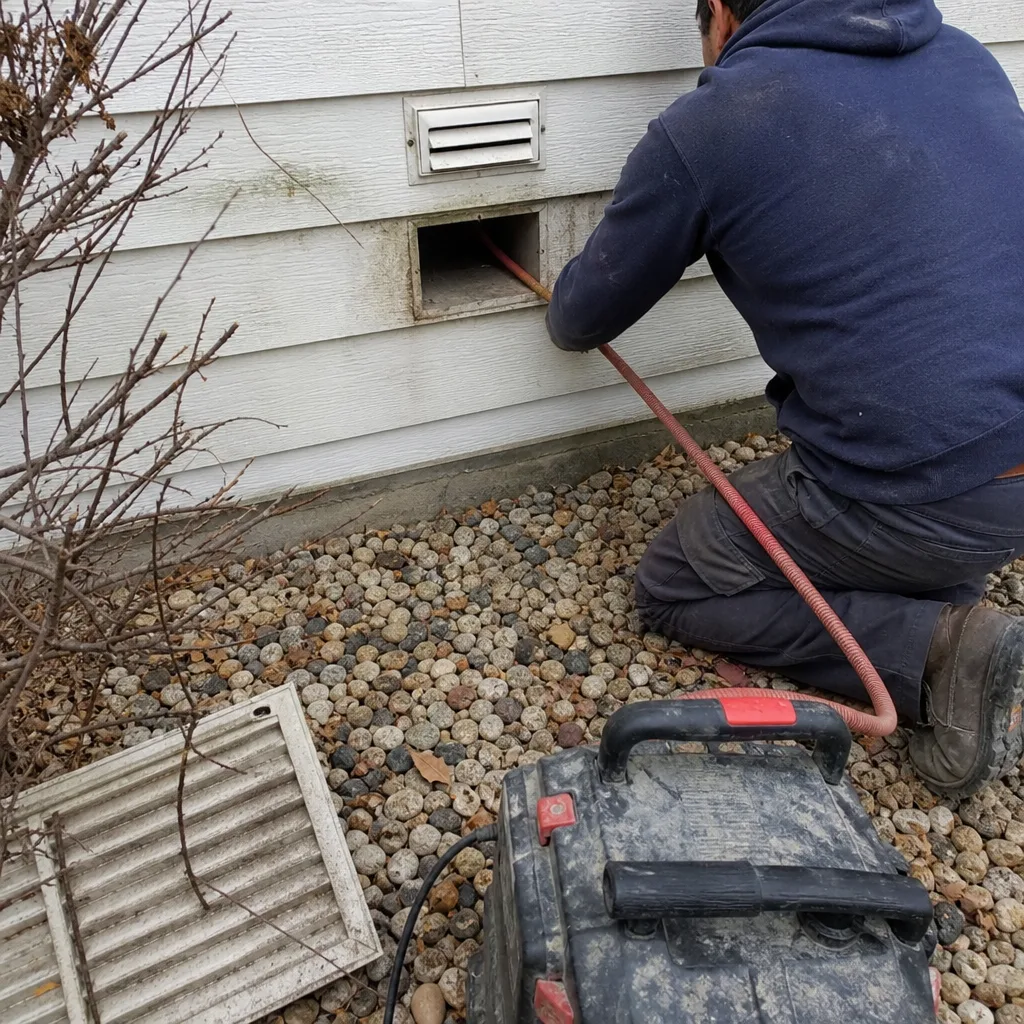 Before
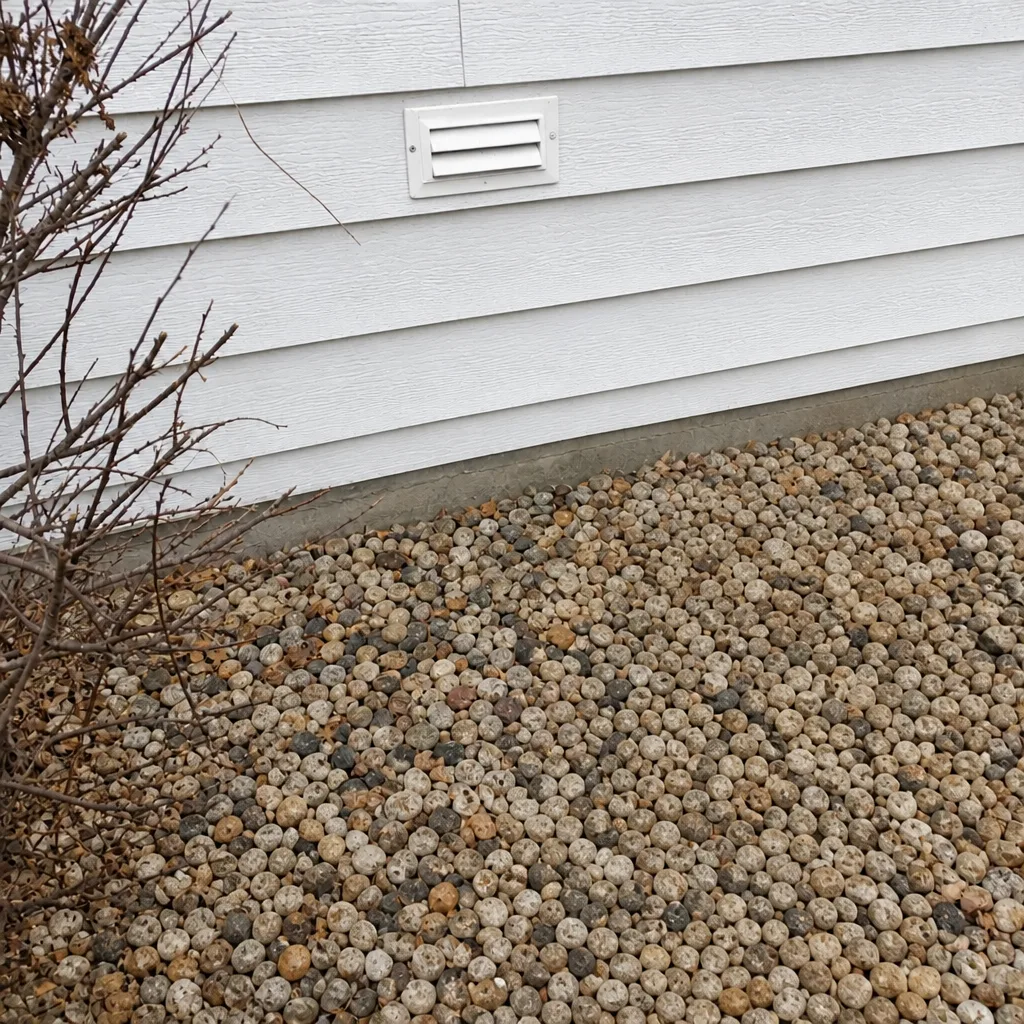 After
When to Call a Professional
Call for a professional duct assessment when a fire, flood, sewage backup, or storm event may have introduced contamination into the duct system, and call before the HVAC runs again. Call also if you notice a persistent musty odor after a water event, visible debris inside a register, or visible soot on the ceiling around supply vents. In those cases the ducts need to be looked at by someone with contact cleaning and HEPA-rated equipment. If the system has been cleaned but the household still notices odd airflow or pressure in a room, that may be a duct repair issue and worth a professional inspection. Duct Cleaning Elgin offers free estimates in Elgin. Call (855) 393-2846. We answer 24/7. Fast dispatch from 7am to 7pm, Sunday through Friday.
Frequently Asked Questions
Yes, if the duct system is intact enough to clean and the method includes contact cleaning and HEPA extraction. A rotary brush agitates soot off the duct wall, and a HEPA vacuum captures it. Odor sprays alone aren’t remediation. Call (855) 393-2846 for an assessment – estimates are free.
As soon as the water is out and the space is safe, ideally inside the 48-to-72-hour mold window for wet materials. Sections that stay wet past that point may need replacement rather than cleaning. Call (855) 393-2846 to get the assessment on the schedule – estimates are free.
Often it can, if the ducts were affected by a covered loss and the claim is documented with photos and a written scope. The policy and the adjuster make the final call. We can work with your insurer on documentation. Call (855) 393-2846 for an estimate – estimates are free.
Ask for before-and-after photos of your own duct system, plus a written description of the sections cleaned. A contractor who does contact cleaning has visible results to show. A vague invoice is a red flag. Call (855) 393-2846 for a clear scope before any work starts – estimates are free.
Usually because the method is surface-level: a vacuum from a single access point rather than contact cleaning plus HEPA extraction. That’s real work with real equipment, and the quote reflects it. Get an estimate by scope, not per vent. Call (855) 393-2846 for an honest quote – estimates are free.
Not if the debris is visible, a register is displaced, or duct sections look compressed or breached. That’s a contamination path, not a maintenance item, and running the system sends it into the house. Call (855) 393-2846 if you’re unsure – estimates are free.
The Bottom Line
Emergency duct cleaning is about sequencing as much as method. Turn the HVAC off first. Get the duct system assessed before the house goes back to normal. Use a contractor with contact cleaning and HEPA-rated extraction, not a single-access vacuum. Document everything, because the insurance side depends on it. If the assessment flags damaged ductwork, address the repair before you call the job done. For Elgin homeowners, the events that trigger this work are fire, water intrusion, and storm damage. Each one leaves different contamination in different places, and each one needs the ducts looked at before the system runs. Call (855) 393-2846. We answer 24/7. Fast dispatch from 7am to 7pm, Sunday through Friday. Estimates are free, and the price is set per job by the written estimate.
Written by the team at Duct Cleaning Elgin.