
Last updated November 16, 2026
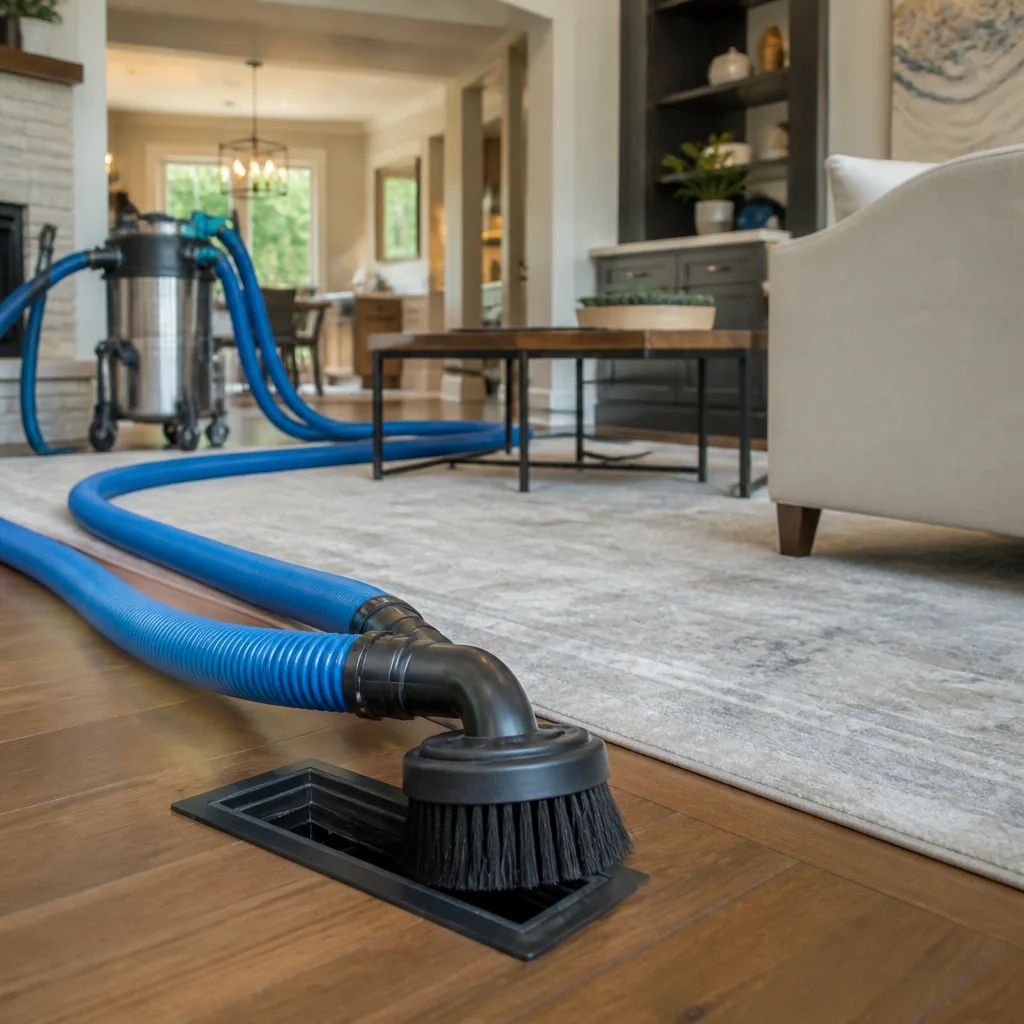 Whole-home duct cleaning
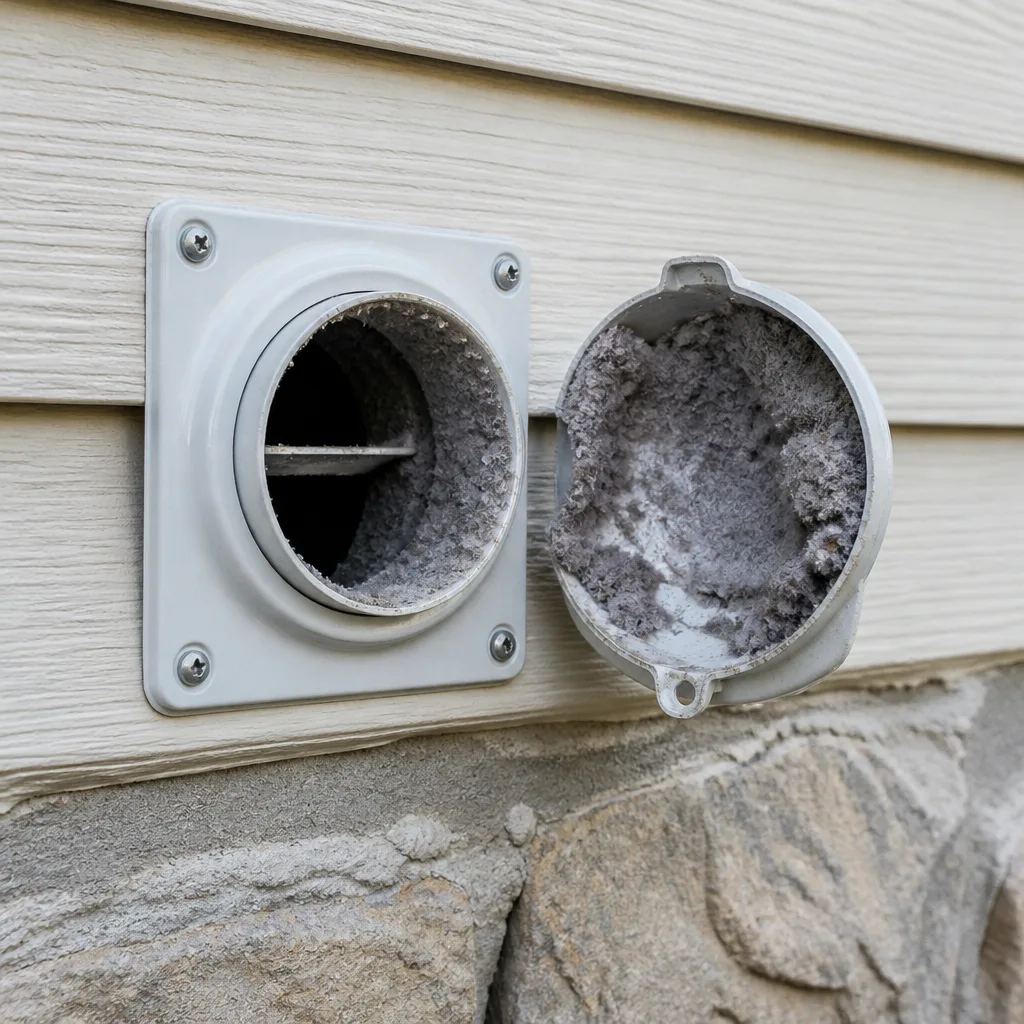 Dryer vent cleaning
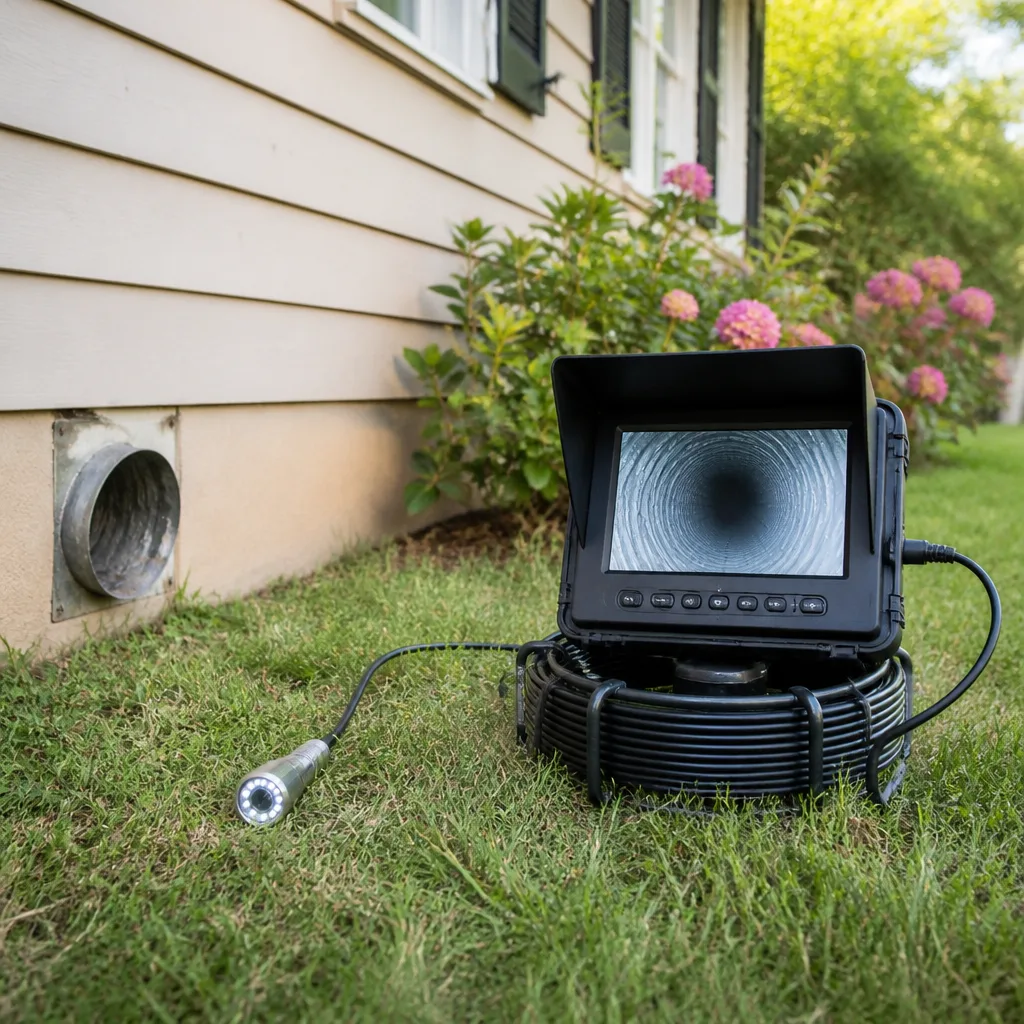 Camera inspection
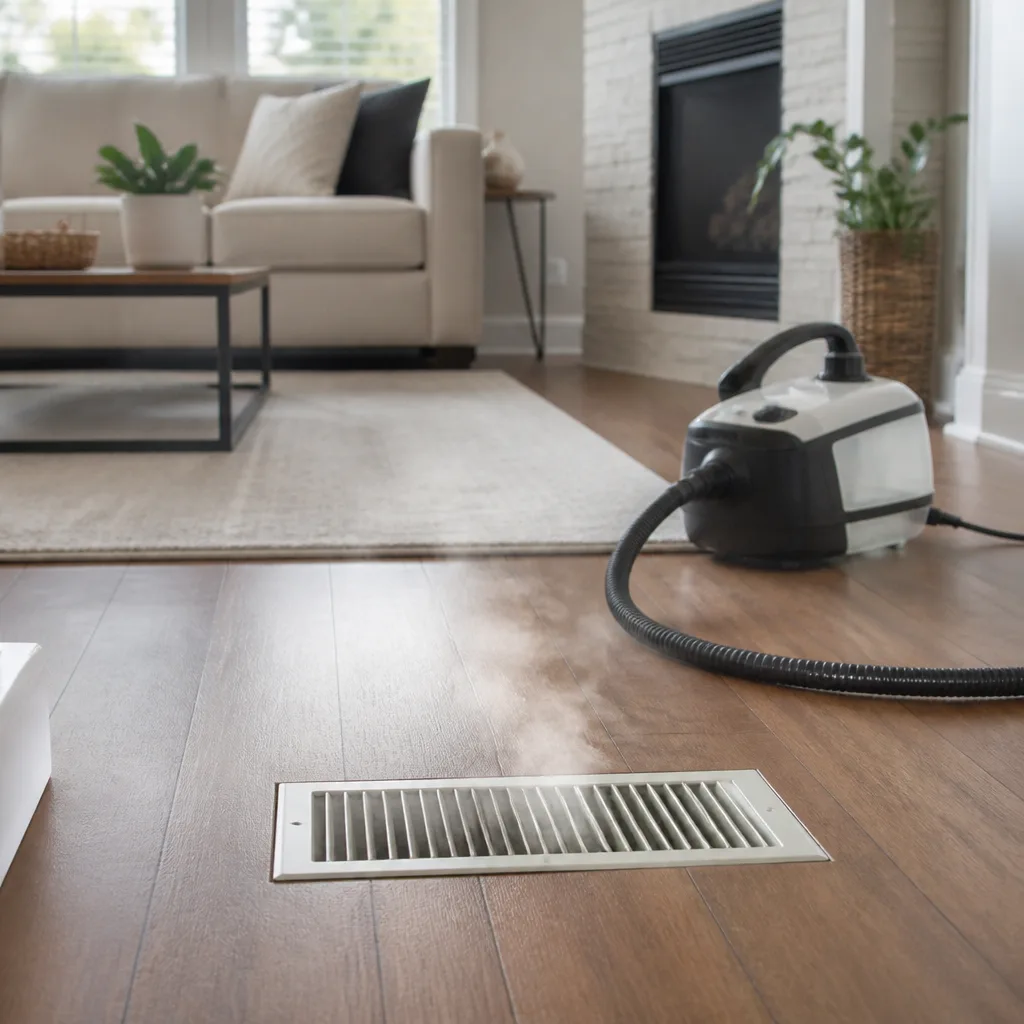 Sanitizing & deodorizing
Whole-system duct and dryer vent check with before-and-after photos - you see exactly what came out of your vents
That "$99 whole-house special" is a bait ad - the real number appears once they are in your hallway, or the "clean" is a shop-vac at the register. We photograph the inside of your ducts before and after instead.
DIY vs Professional Air Duct Cleaning: The Elgin Homeowner’s Decision Guide
A consumer-grade duct cleaning kit generates roughly one-tenth of the CFM airflow that a truck-mount negative air machine produces. That single number explains most of the confusion around DIY duct cleaning. It’s enough airflow to stir dust loose inside a duct, not enough to pull it out of the system and into a filter bag. So the homeowner who rents a blower and runs a brush down a few feet of flex duct often finishes with a cleaner-looking register and a dirtier house. This guide draws an honest line: what DIY actually handles well in an Elgin home, where it stops, and what separates a real professional job from a surface pass.
Quick Answer
DIY air duct cleaning can handle register grilles, return grille vacuuming, and routine dryer vent lint removal, but it cannot clean the full duct system because homeowner tools don’t move enough air volume to extract debris from trunk lines and branch runs. Professional cleaning uses a rotary brush system paired with HEPA-rated negative air extraction to agitate and capture buildup across the whole system, and it finishes with documentation you can verify. In Elgin, where forced-air systems run hard through cold winters and humid summers, that full-system extraction is what actually matters.
Styles & brands we work with
- Whole-home duct cleaning
- Dryer vent cleaning
- Camera inspection
- Sanitizing & deodorizing
Table of Contents
- What DIY Duct Cleaning Actually Handles
- The Physics of Negative Air Pressure
- When DIY Is the Wrong Call Entirely
- Honest Cost Comparison: DIY vs Professional
- Why Documentation Is the Real Difference
- Dryer Vent Cleaning: The One DIY Job Worth Doing Right
- Elgin Homes and Duct Systems: What’s Different Here
- What a Professional Duct Cleaning Job Actually Looks Like
What DIY Duct Cleaning Actually Handles
We want to be clear about what a homeowner can reasonably do. There’s real value in the accessible parts of a duct system, and doing them yourself isn’t a mistake. What goes wrong is the assumption that cleaning the visible parts equals cleaning the system.
Here’s what DIY genuinely covers in a typical Elgin home:
- Register and grille cleaning. Removing supply registers and return grilles, washing them in a sink, and vacuuming the boot (the short transition duct behind the register) with a shop vac and brush attachment. This is safe and effective.
- Return grille vacuuming. The large return grille near the furnace pulls in the most airborne dust. Vacuuming its face and the immediate throat behind it reduces dust load entering the blower.
- Dryer vent lint removal. Pulling the vent connection behind the dryer, vacuuming out accessible lint, and clearing the exterior flapper is genuinely useful maintenance and lowers fire risk.
- Coil and filter access area. Cleaning around the air handler and changing filters regularly is preventive work every homeowner should own.
Here’s how to do that accessible work without making things worse. The single rule is: always run vacuum suction while you agitate, and never push a brush deeper than you can see. Follow this order:
- Turn off the HVAC system at the thermostat.
- Set a shop vac with a HEPA filter at the register you’re working on, sucking while you work.
- Brush the boot lightly toward the vacuum head.
- Wipe the register down and reinstall it before moving to the next one.
- Replace the filter when you’re done, since dislodged dust will land there.
The catch is scale. The first few feet past each register – what we call the accessible trunk line – is only a fraction of the total duct run. The main trunk, the branch takeoffs buried in walls and ceilings, and the plenum above the furnace hold the bulk of accumulated debris. A homeowner with a shop vac reaches maybe 20% of the system. The remaining 80% needs tools that don’t exist in a rental catalog. That’s where our air duct cleaning work begins.
The Physics of Negative Air Pressure
Suction feel is misleading. A shop vac with a small nozzle feels strong against your palm, but the number that matters is CFM – cubic feet per minute of air moved – not the pressure at the nozzle tip. Duct cleaning is a volume problem, not a pressure problem.
To pull debris out of a duct run, you need two things working together: agitation to break buildup off the duct wall, and enough negative air volume to carry that debris to a collection point. A consumer kit produces roughly a tenth of the CFM a truck-mount negative air machine produces. That’s not a knock on the equipment – it’s simply sized for a shop floor, not a 40-foot duct run. So when a homeowner brushes a duct, the debris loosens but a large share stays suspended and gets recirculated into the living space on the next HVAC cycle.
This is why professional equipment uses a two-part approach. Contact cleaning tools like the Rotobrush rotary brush system physically agitate the full interior circumference of the duct wall, and Nikro HEPA-rated vacuum extraction pulls the dislodged material out through a sealed negative-pressure setup. The HEPA extraction standard is the same one required in mold and asbestos remediation – not because every home has a contamination problem, but because capturing debris rather than redistributing it is the whole point.
Practically, this means:
- Agitation without negative pressure = dust in your air, not dust in a bag.
- Negative pressure without agitation = surface dust only; caked buildup stays put.
- Both together, with sealed access points = the actual system gets cleaned.
We use Abatement Technologies equipment on every job because it’s built for containment-first work. In an Elgin home with a finished basement and a recirculating return, cutting down secondary dust during cleaning matters more than homeowners expect.
When DIY Is the Wrong Call Entirely
Some duct conditions are off-limits for homeowner cleaning, and this is where we get direct. If any of the following apply, stop and call a professional. Pushing a brush into a compromised system can spread contamination through the house instead of removing it.
- Post-remediation ducting. If ducts were cleaned after mold or water damage, the system needs documentation and containment methods that meet remediation standards. DIY cannot reproduce that standard.
- Rodent activity. Droppings, nesting material, and carcasses in ducts are a health hazard and require proper PPE, HEPA extraction, and often disinfection. Do not attempt this yourself.
- Aging flex duct near the end of its life. Ducts that are torn, sagging, or crumbling can’t survive brushing. If the duct material itself is compromised, cleaning can worsen it. If you suspect the duct is old enough to be beyond repair, the right move is to look at duct cleaning in Elgin with an eye toward repair as well as cleaning.
- Immunocompromised or highly allergic occupants. If anyone in the home has significant respiratory conditions, a temporary spike in airborne dust during DIY work is a meaningful risk.
- Known HVAC leak or air quality concern. Duct leakage and contamination often occur together. Cleaning a leaking duct system pulls in new contaminants faster than removing them.
- Visible mold or suspected contamination inside the duct. Mold remediation is outside our scope, but a qualified professional can evaluate it and direct you to the right specialist.
For these situations, the honest answer is professional equipment and, at times, an air quality specialist. We don’t recommend attempting them, and we don’t ourselves do mold remediation – our scope is cleaning, dryer vent work, and duct repair. Knowing which category your home falls into saves you time and avoids a worse mess.
Honest Cost Comparison: DIY vs Professional
The math on DIY duct cleaning usually gets presented with the equipment rental as the only cost. That’s not the whole picture. Here’s a realistic breakdown of what each path involves for a typical Elgin home.
| Cost Factor | DIY | Professional |
|---|---|---|
| Equipment | Shop vac rental or purchase; brush kit; HEPA filter | Rotary brush, HEPA extraction, and containment included |
| Time (typical home) | Half a day or more, spread across several register pulls | Scheduled appointment |
| Consumables | Filters, bag, PPE, cleanup supplies | Included in the quote |
| Coverage | Accessible registers, boots, return grille | Full trunk and branch system with sealed access |
| Documentation | None | Before and after photos of your own ducts |
| Bait-and-switch risk | N/A | Eliminated when you get one flat price per system |
We don’t publish a cookie-cutter price for duct cleaning because scope drives the number. Some homes have one trunk with a handful of branches; others have multiple systems, finished basement ducting, and long runs. A fair professional quote is based on the number of systems and the total run, not a per-vent teaser rate. We give one flat price per system, agreed before any work starts, and stand behind it. That approach removes the bait-and-switch reputation this industry has earned – and it’s the reason our estimates are free and written.
What DIY costs in hidden ways is harder to quantify: the afternoon you spend reaching 20% of the system, the recirculated dust that settles back into carpets and furnishings, and the lack of any verifiable record that anything was done. If your ducting is older and leaking, the recovery effort is bigger than either cleaning path – that’s the cleaning and repair conversation worth having before you commit.
Why Documentation Is the Real Difference
Air duct cleaning is one of the few home services where the customer rarely sees the work. You can’t watch what happens inside a sealed duct run. This is exactly why a professional job should always end with documentation: before and after photos of your own ducts, taken at the access points we open and showing the same runs.
That documentation does three things a DIY job never can. It proves the system was actually cleaned, not just vacuumed at the register. It shows the condition of the duct interior, including any wear or leakage worth addressing. And it gives you a baseline for the future – helpful if you ever sell the home, file an insurance claim, or need to compare a future cleaning.
If you’re evaluating a duct cleaning company in Elgin, ask for before-and-after photos of your own ducts, not a stock gallery. Ask what equipment will be used and whether it’s a contact-cleaning method or vacuum-only. Ask whether the quote is one flat price per system or a per-vent charge. Those three questions separate equipment-serious operators from blow-and-go services in about five minutes.
Our technicians have up to 14 years of experience, and we carry equipment from brands like Guardsman and Aprilaire for air quality improvements alongside the cleaning equipment itself – not because every home needs upgrades, but because duct cleaning and duct improvement are part of the same system. We don’t pitch add-ons. We do tell you what condition your system is in so you can make the choice.
Dryer Vent Cleaning: The One DIY Job Worth Doing Right
Dryer vent cleaning sits on the opposite end of the spectrum from duct cleaning – it’s a maintenance task that DIY handles well, as long as you actually do it and do it fully. The U.S. Fire Administration identifies dryer vents as the leading cause of appliance-related house fires, and lint accumulation is the reason. A clogged vent traps heat, and continued operation is a genuine fire risk.
What homeowner dryer vent maintenance covers:
- Unplug the dryer and pull it back from the wall.
- Disconnect the vent hose at the dryer and vacuum out accessible lint.
- Clean the exterior vent flapper and clear lint from the outside hood.
- Check the entire run for crushed flex or long horizontal sections where lint packs in.
- Reconnect firmly, ensure no kinks, and check airflow by running an empty cycle.
Where DIY stops is a long, hidden, or complicated run – especially vents that route through a wall, up through a roof, or behind a finished basement ceiling. Those need a brush on a flexible rod and proper extraction, and they’re common in Elgin’s older two-story homes with laundry areas moved over the years. Our dryer vent cleaning covers the full run, not just the accessible segment, and it’s the service where the safety stakes are clearest. If you can’t remember when the vent was last cleaned, get it done.
Elgin Homes and Duct Systems: What’s Different Here
Elgin’s housing stock runs from century-old two-stories near downtown to subdivisions out toward the west side, and the duct systems reflect that spread. Older homes often have retrofitted ductwork – runs that were added to a home built for radiators, sometimes with shorter trunks and unusual branch layouts. Those systems accumulate buildup in different places than modern designs, and access points are often fewer, which is one reason professional cleaning matters more here than in a newer ranch home.
The climate matters too. Elgin winters mean the furnace runs continuously for months, moving air through the same duct runs with no break. Summer humidity pushes the air conditioner hard. Both seasons move a lot of air volume, and both leave debris in the same places. Homes in the Elgin area with pets, finished basements, or recent renovations see buildup faster, because pet dander, basement dust, and construction particles all find their way into returns.
If you’re comparing quotes, factor in the realities of an older Elgin home. A company that shows up expecting one trunk and standard access can find itself improvising at a home with a converted gravity furnace and three separate zones. Ask for an estimate that accounts for your specific system, and treat any quote given over the phone without an in-person look with caution. That’s why we do Elgin estimates free and in person, and why the number we give you is the number you’ll see on the invoice.
What a Professional Duct Cleaning Job Actually Looks Like
For a decision guide, the fair comparison includes knowing what a real professional job involves. Here’s the process we follow, and what to expect if you hire anyone serious about it.
- Inspection and quote. We look at the system, count the trunks, note access points, and identify any duct condition that needs repair rather than cleaning.
- System setup. We seal and connect extraction at the main trunk and set up containment to keep dust out of the living space.
- Contact cleaning. Rotary brush tools agitate the interior of the trunk and branch runs across their full circumference.
- HEPA extraction. Dislodged material is captured through HEPA-rated negative-pressure extraction rather than recirculated.
- Register and component cleaning. Registers and grilles are removed, cleaned, and reinstalled.
- Documentation. Before-and-after photos of your ducts, and a walkthrough of any duct condition worth noting.
Where a system has structural problems – leaking joints, torn flex, disconnected runs – cleaning alone won’t hold. That’s why we offer air duct repair as a standalone service: a cleaned but leaking system still wastes energy and pulls contaminants back in. If your inspection turns up repair needs, we’ll tell you before we clean, not after.
That said, we stay in our lane. We clean ducts, clean dryer vents, and repair ducts. We don’t install HVAC systems, perform furnace repair, or handle mold remediation, and we’ll say so if your situation calls for one of those.
Common Mistakes to Avoid
- Running a brush without extraction. Agitating debris with no vacuum attached just suspends it in the air. Run suction the whole time and keep the HVAC off while you work.
- Assuming a cheap quote covers the whole system. A per-vent teaser rate often balloons once the technician is on site. Ask for one flat price per system, in writing, before work starts.
- Skipping the filter change after any cleaning. Dislodged dust lands in the filter first. Change it the same day or the blower recirculates what you just loosened.
- Cleaning ducts before fixing leaks. In an Elgin home with older ducting, a leaking return pulls basement or attic air back into the system. Repair first, then clean.
- Using a wet method on flex duct. Moisture traps dust and can damage the duct lining. Dry contact cleaning is the correct method for residential flex.
- Ignoring the dryer vent all year. It’s the one maintenance item that’s also a fire hazard. If you can’t recall when it was last done, that’s the sign to do it now.
- Accepting a job without before-and-after documentation. If the company can’t show you photos of your own ducts afterward, you have no way to verify anything was cleaned.
See the difference
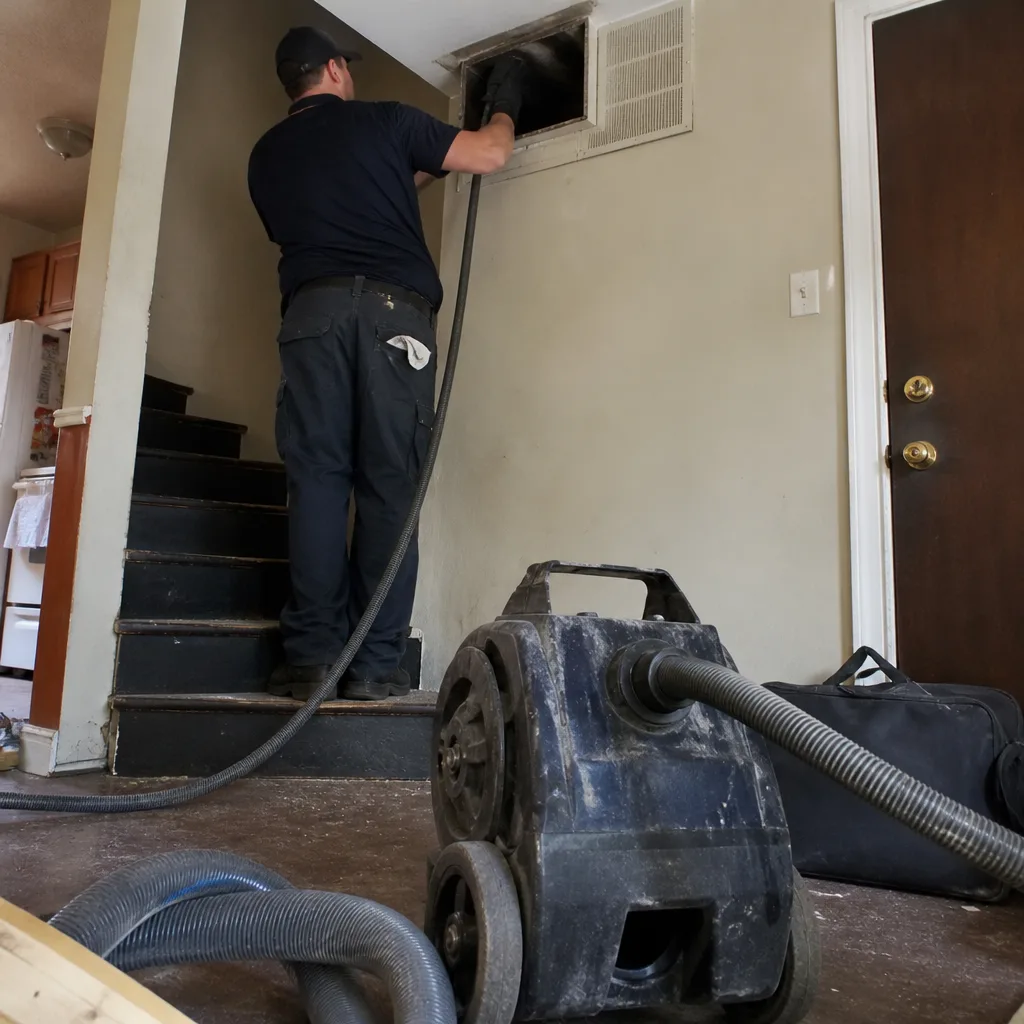 Before
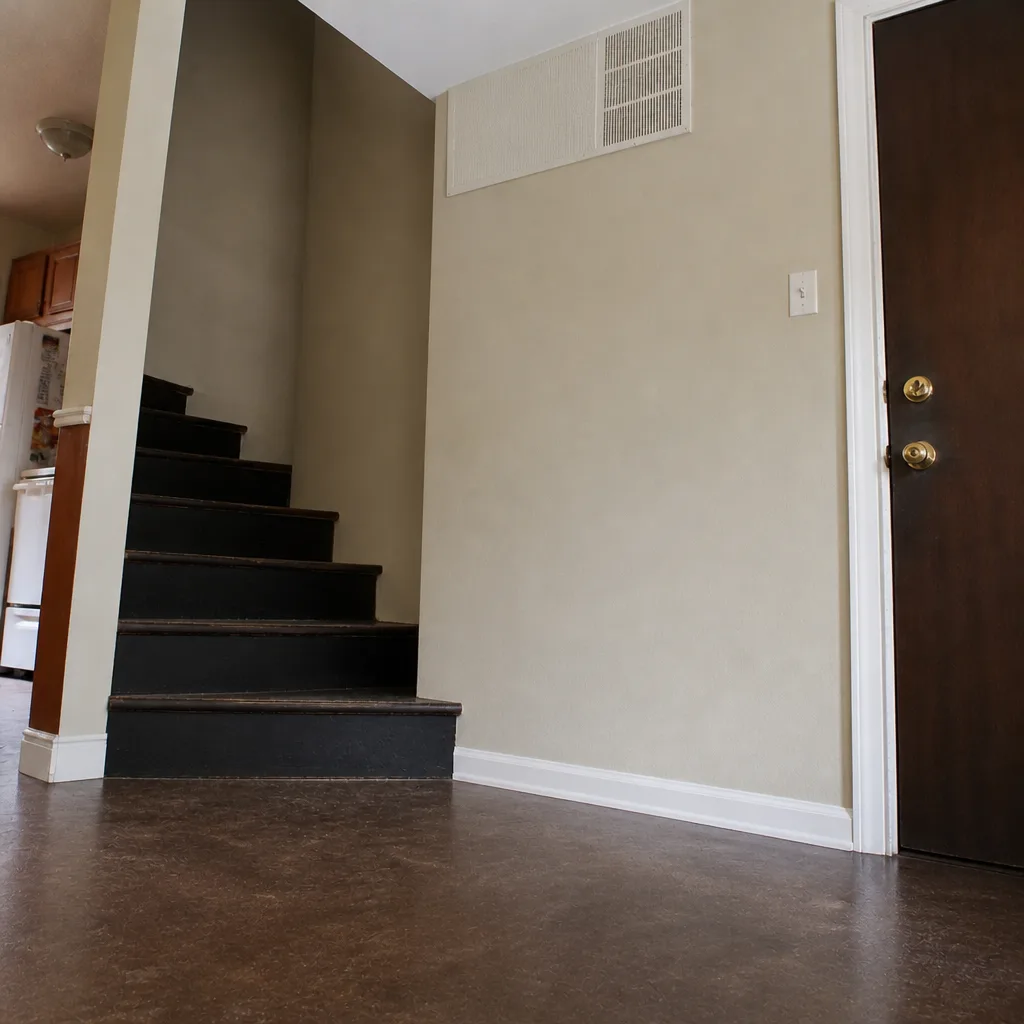 After
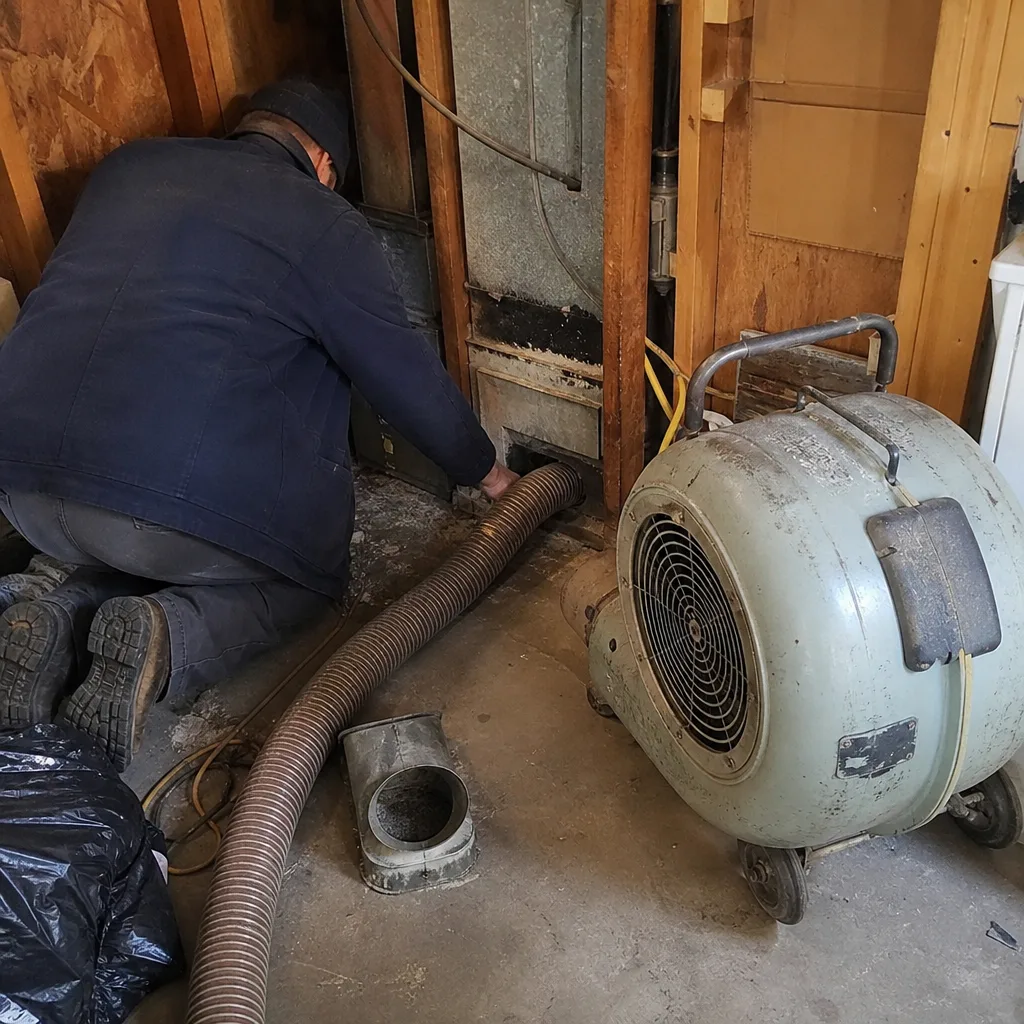 Before
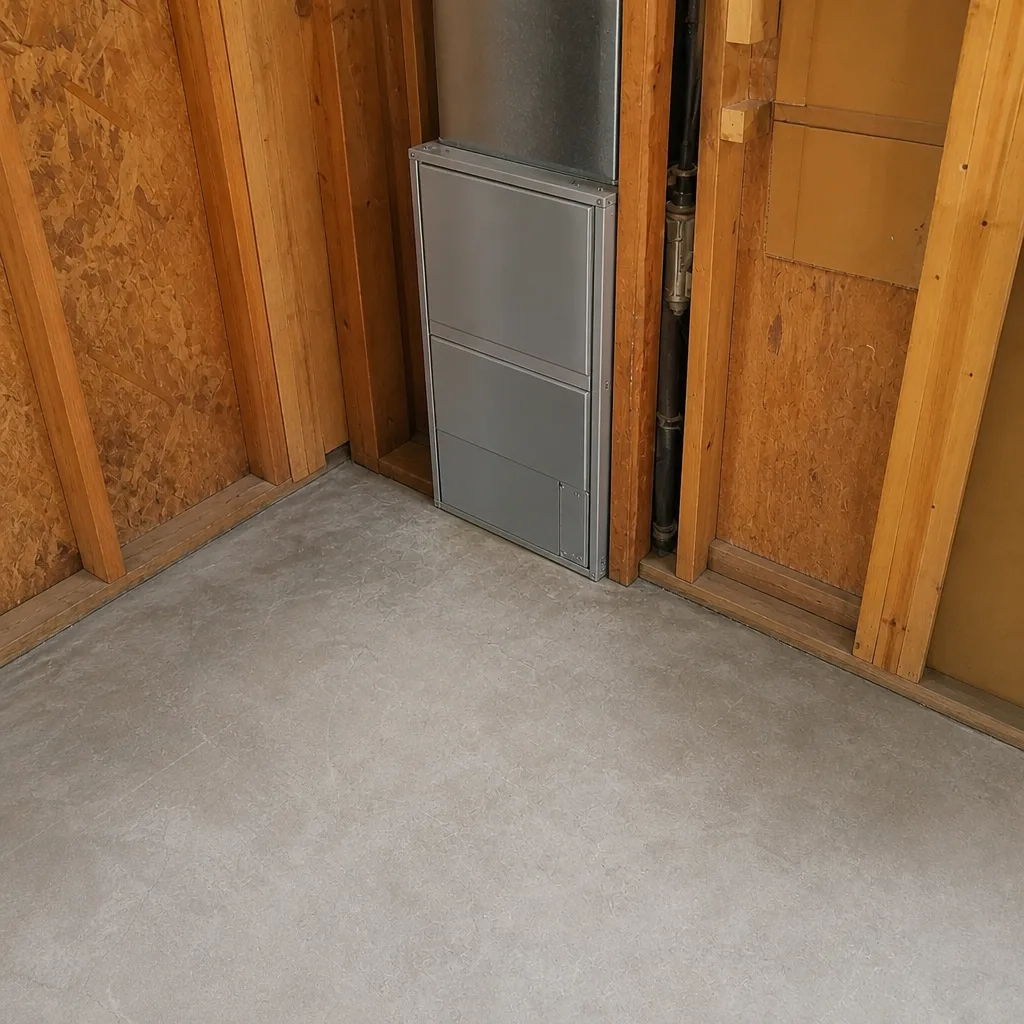 After
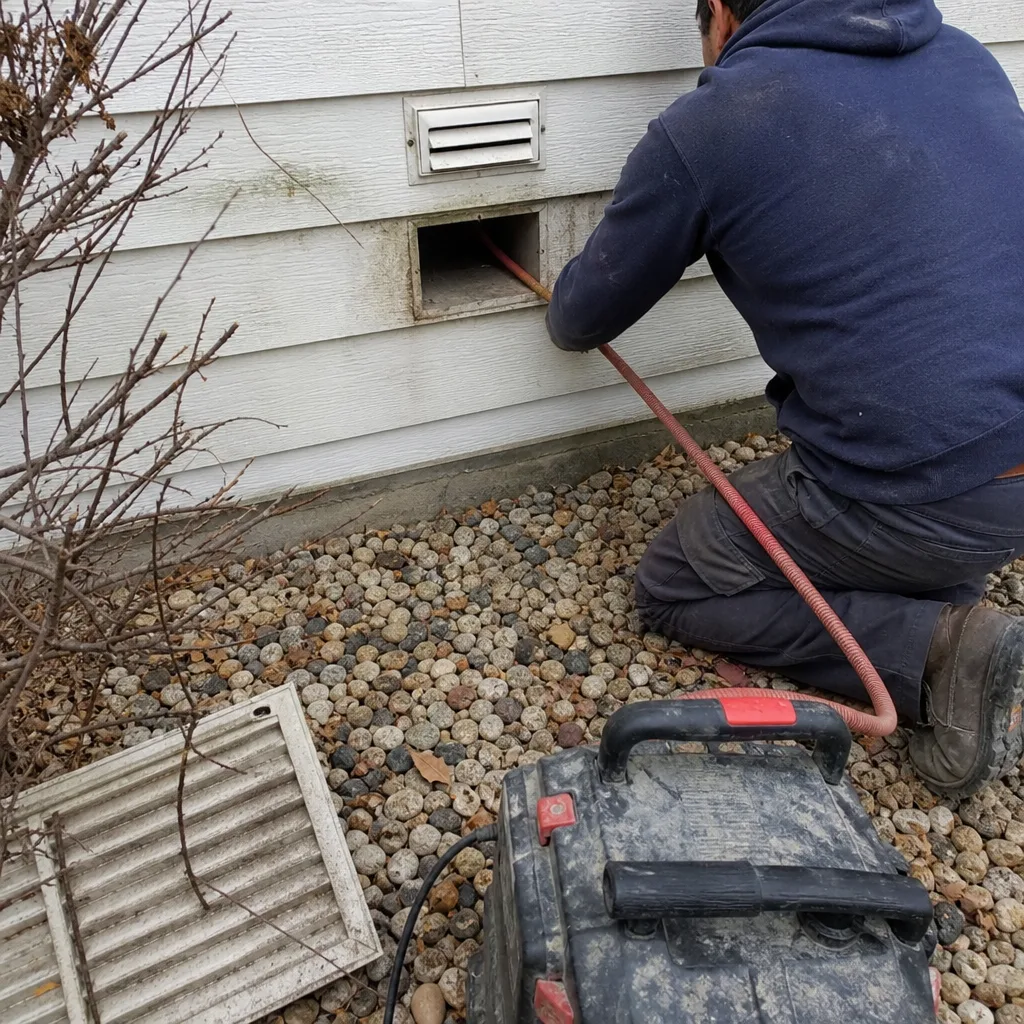 Before
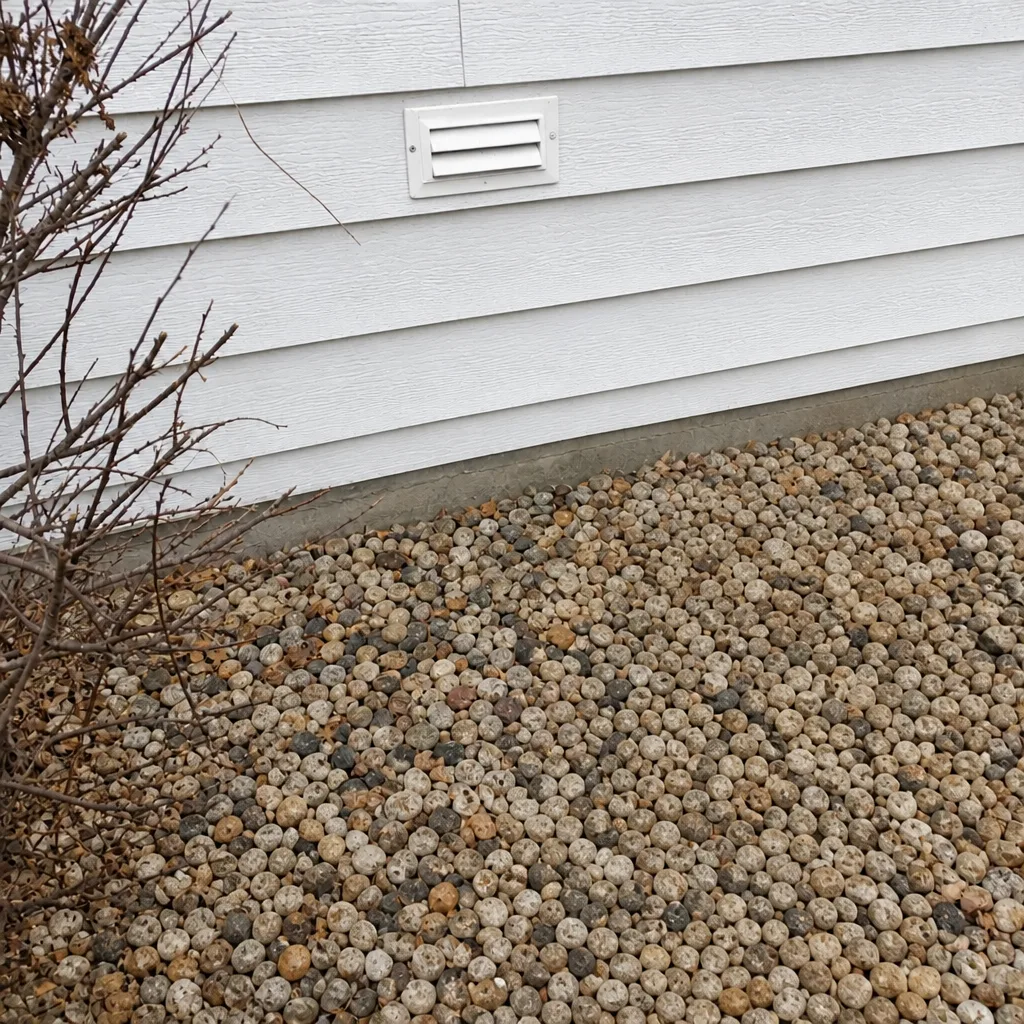 After
When to Call a Professional
Call a professional if your home has a post-mold-remediation system, rodent activity, compromised or aging flex duct, immunocompromised occupants, or visible contamination inside the ducts. Call if you’ve been in the home for several years and never had the system cleaned, or if you’ve just finished a renovation that put drywall dust into the air handling system. Call if the dryer vent run is long or hidden. Call if a prior quote was suspiciously low and you want an honest assessment of what your system actually needs.
Duct Cleaning Elgin offers free estimates in Elgin. Call (855) 393-2846. We answer 24/7. Fast dispatch from 7am to 7pm, Sunday through Friday.
Frequently Asked Questions
DIY air duct cleaning is a good idea only for the accessible parts: register and grille cleaning, return grille vacuuming, and dryer vent maintenance. It’s not appropriate for the main trunk, branch runs, or any system with mold, rodent, or contamination concerns. Do the accessible work yourself if you like, but understand you’re cleaning the entry points, not the system.
Professional air duct cleaning in Elgin is priced per system by a written estimate based on the number of trunks and total duct runs, not a per-vent rate. The final number depends on your home’s specific system, and the written estimate sets the price before work starts. Call (855) 393-2846 for an exact quote – estimates are free.
Cheap duct cleaning quotes are usually low because they cover far less work: a vacuum pass at the registers rather than contact cleaning across the full system, no HEPA extraction, and no documentation. The low number often grows once the technician is on site and finds you need “extras.” One flat price per system, agreed in writing up front, is the way to avoid that.
Ask for before-and-after photos of your own ducts, taken at the access points the technician opened. Any professional job should document the condition of your system so you can see what changed. If a company can’t provide that, you have no way to verify the work was done properly.
Duct cleaning frequency depends on the home, not a fixed schedule. Homes with pets, recent renovations, or a long gap since the last cleaning need it sooner. If your filters clog quickly, dust settles on surfaces faster than usual, or your system serves an older retrofit in an Elgin home, it’s worth a professional inspection to see what’s actually accumulated. Call (855) 393-2846 for an estimate.
Yes, briefly, if you agitate debris without adequate suction. A shop vac can’t move the air volume to carry dust out of the system, so loosened material resuspends and recirculates. Professional cleaning uses contact agitation paired with HEPA-rated extraction for this reason. If air quality is your concern, that’s the combination to look for.
The Bottom Line
DIY duct cleaning is not wrong – it’s just limited. Registers, grilles, boots, and dryer vent lint removal are real maintenance tasks a homeowner can do well. What DIY can’t touch is the main trunk and branch system, where most buildup lives and where agitation without enough negative air pressure makes things temporarily worse rather than better. The honest decision line is this: do the accessible work if you want to, but let professional equipment, HEPA extraction, and documented before-and-after photos cover the rest. In Elgin, with duct systems that vary as much as the homes around them, that distinction is worth taking seriously. Call (855) 393-2846 for a free estimate. We answer 24/7. Fast dispatch from 7am to 7pm, Sunday through Friday.
Written by the team at Duct Cleaning Elgin.