
Last updated November 16, 2026
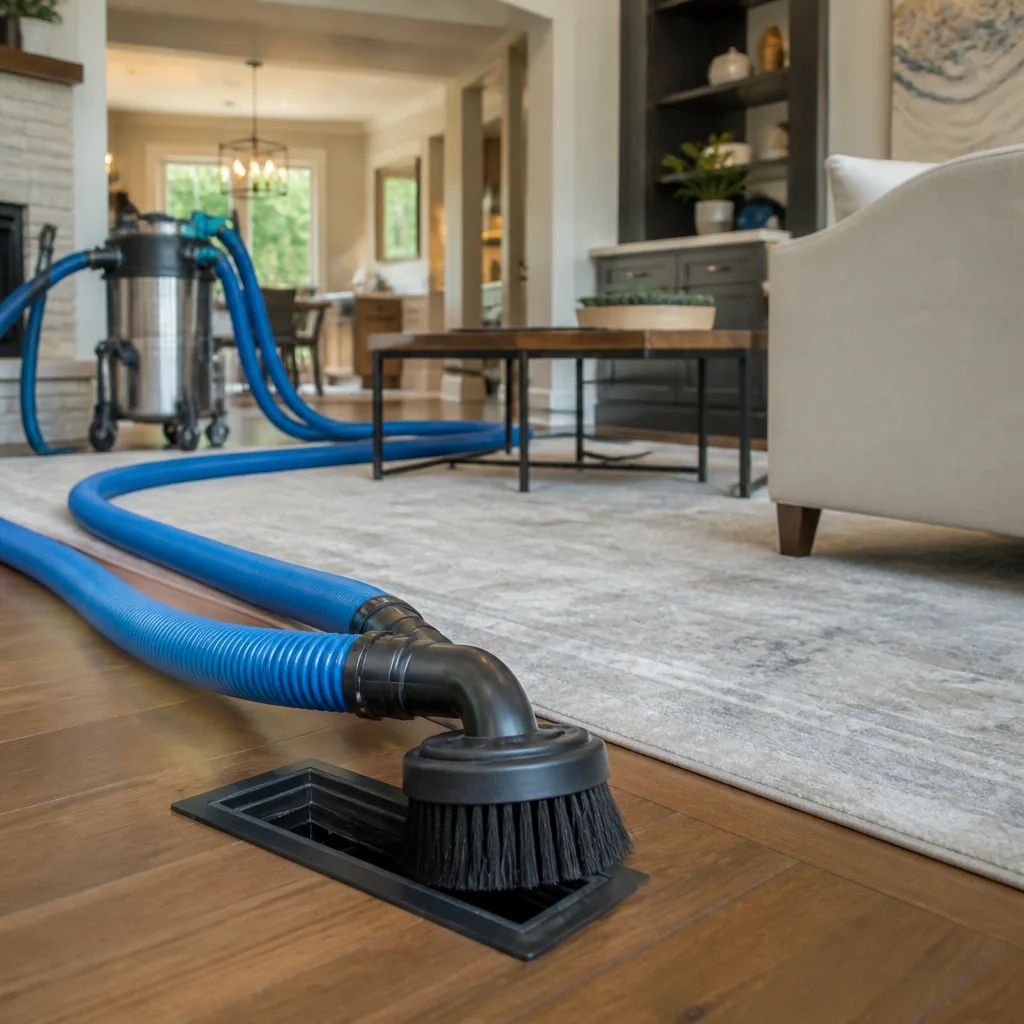 Whole-home duct cleaning
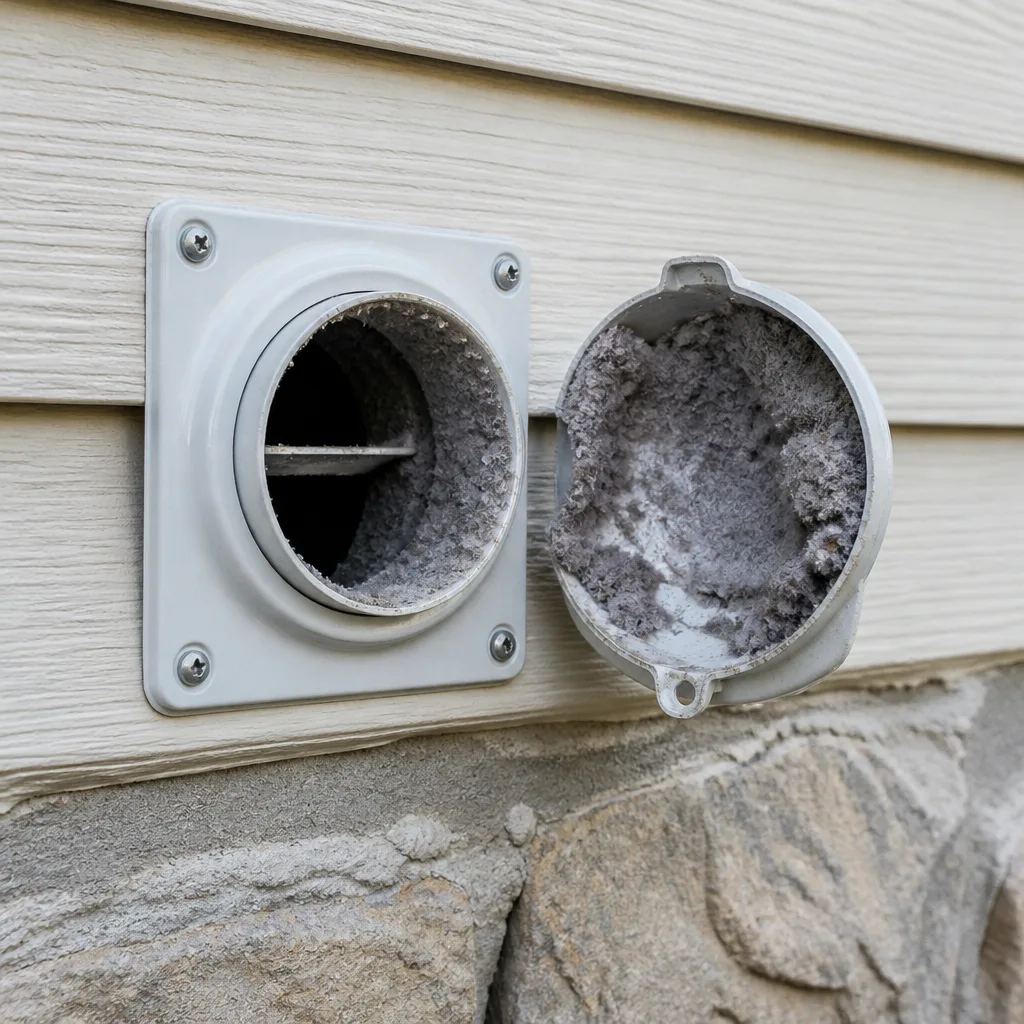 Dryer vent cleaning
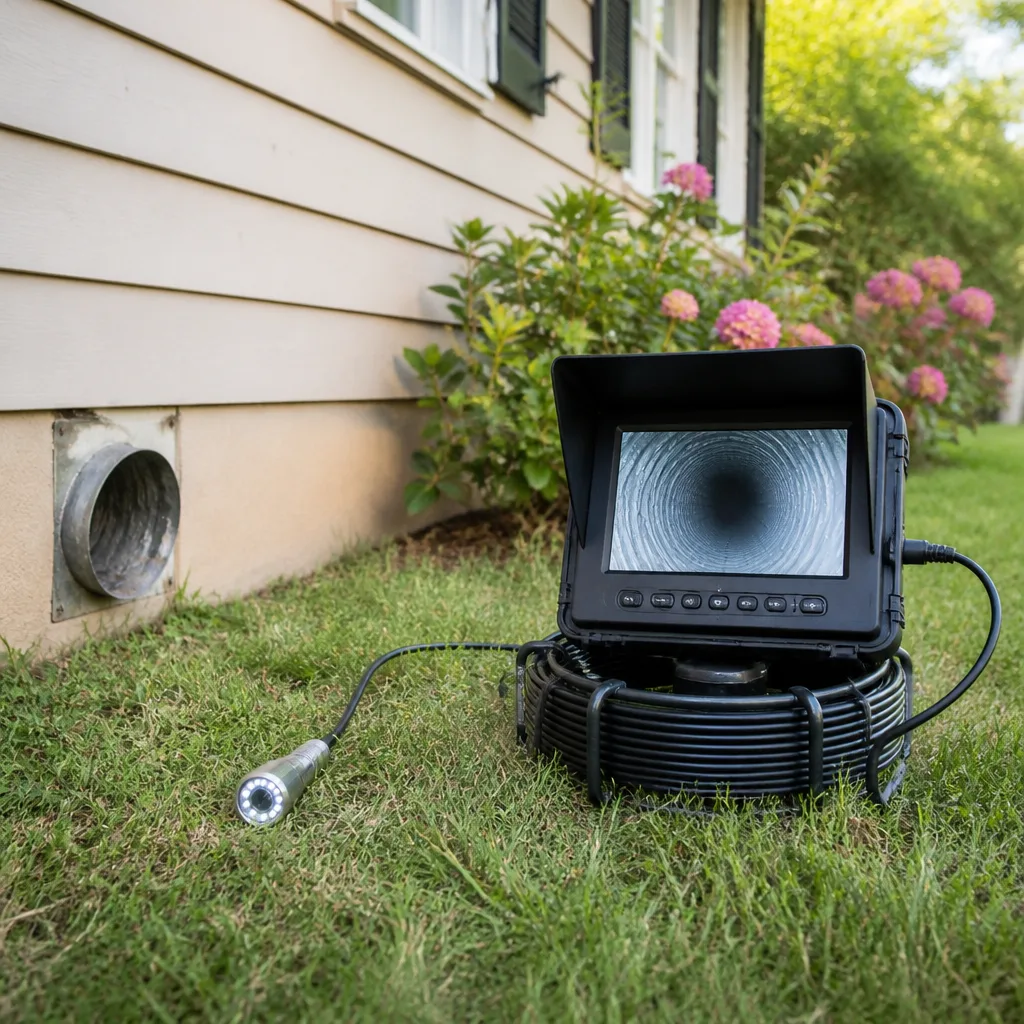 Camera inspection
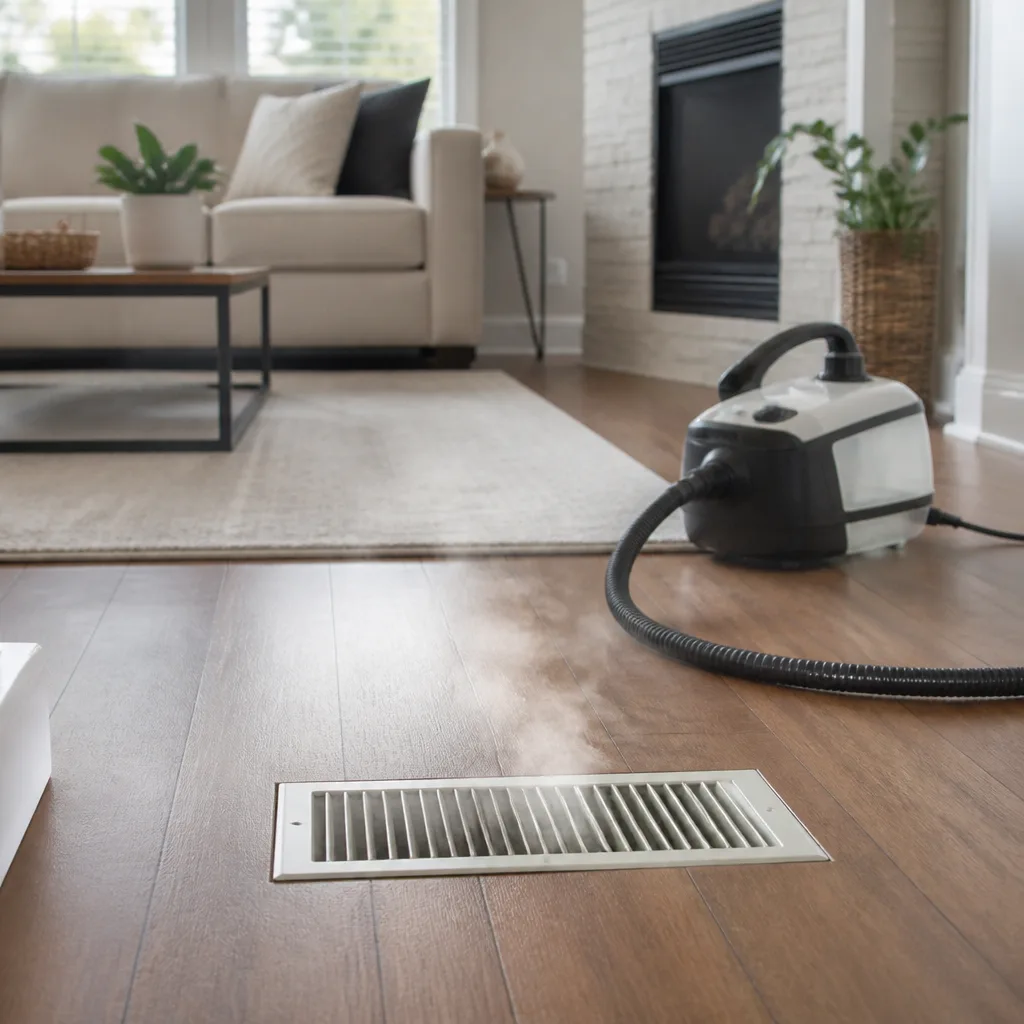 Sanitizing & deodorizing
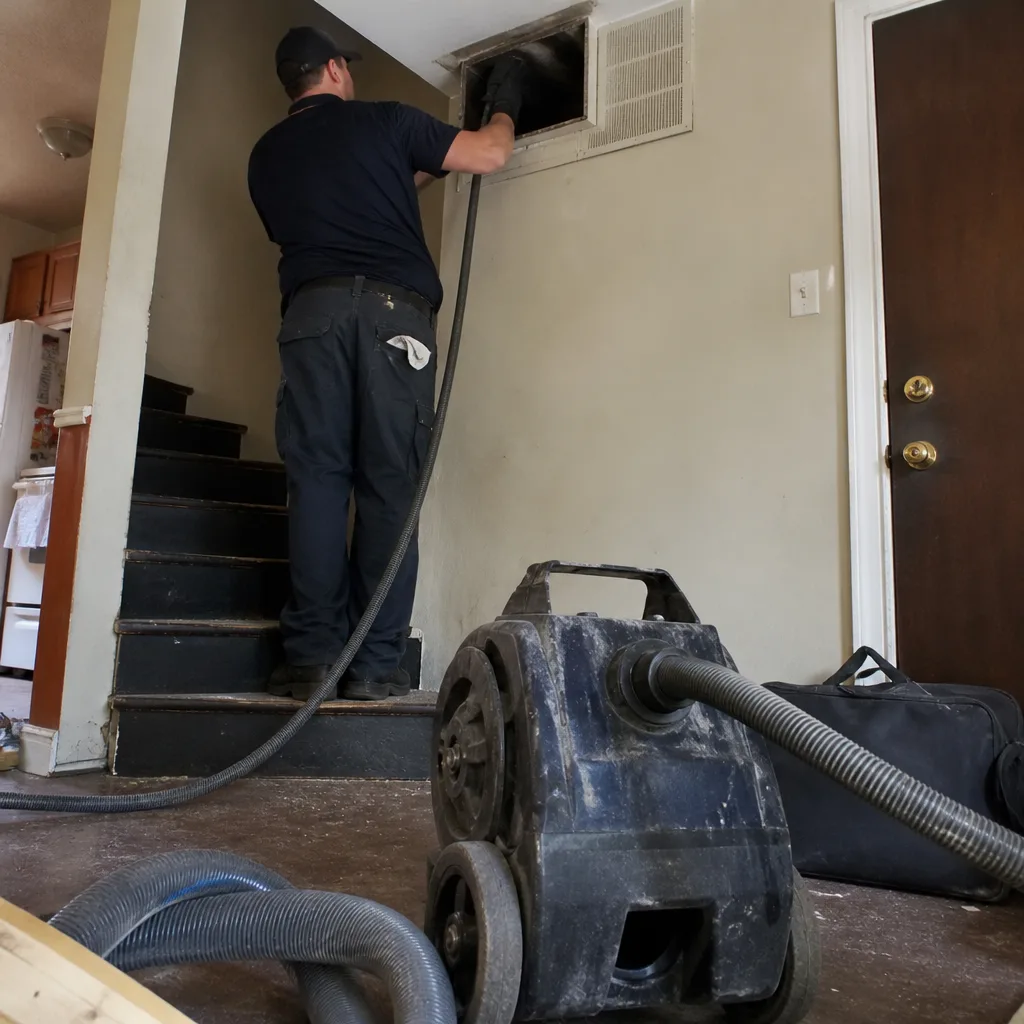
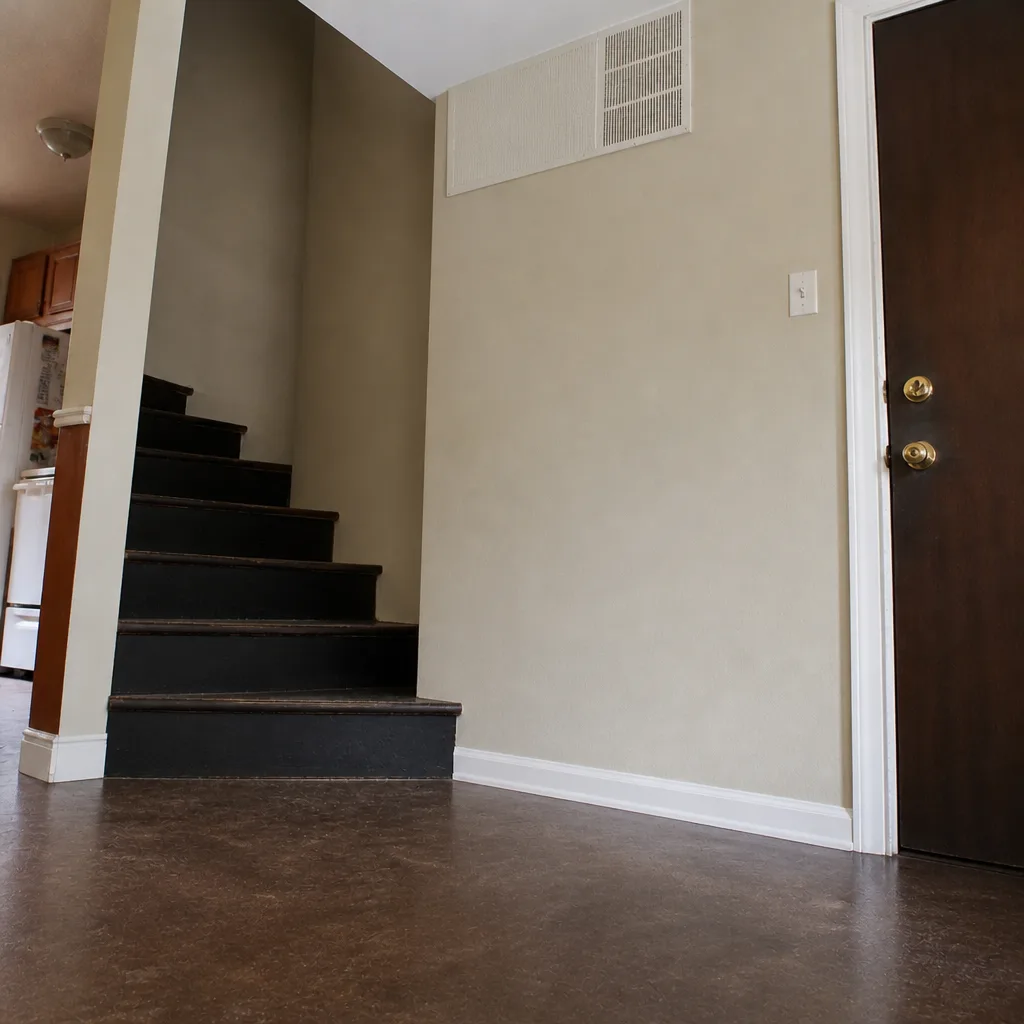
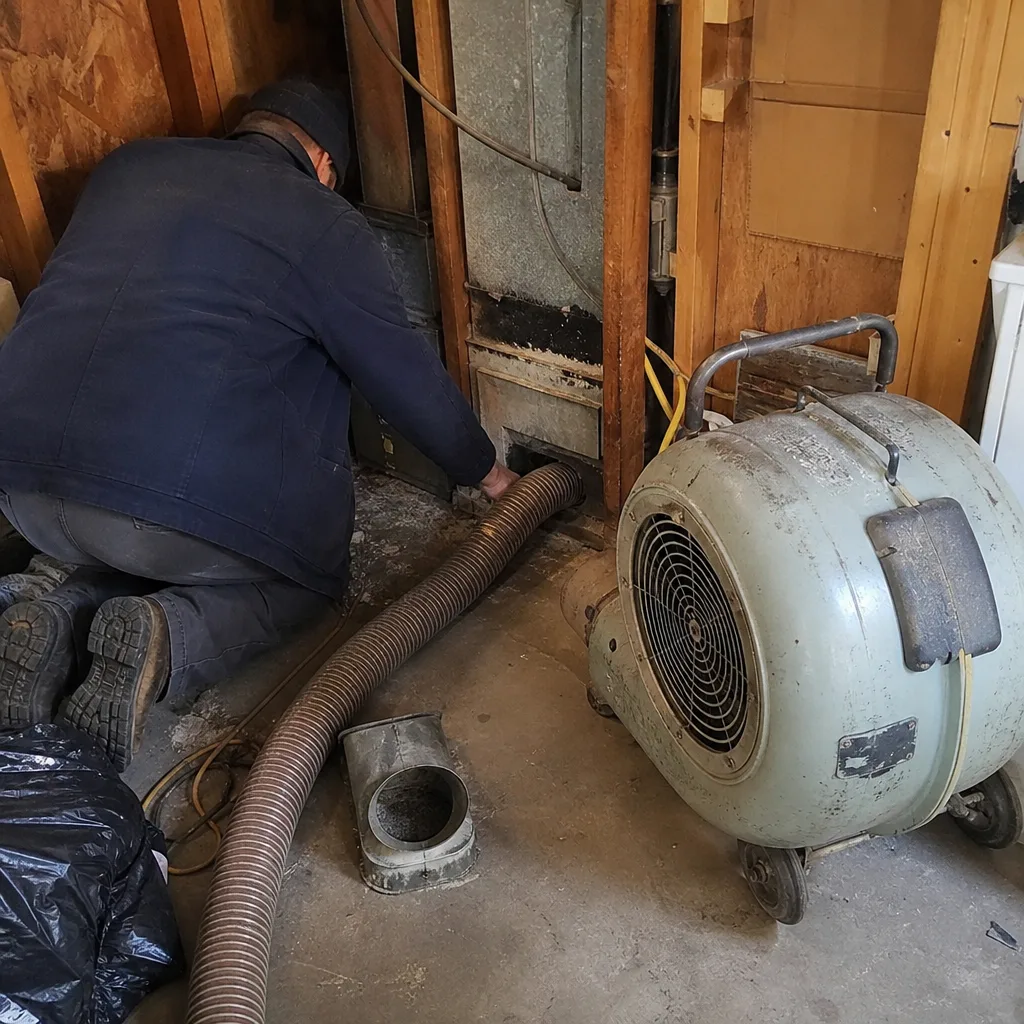
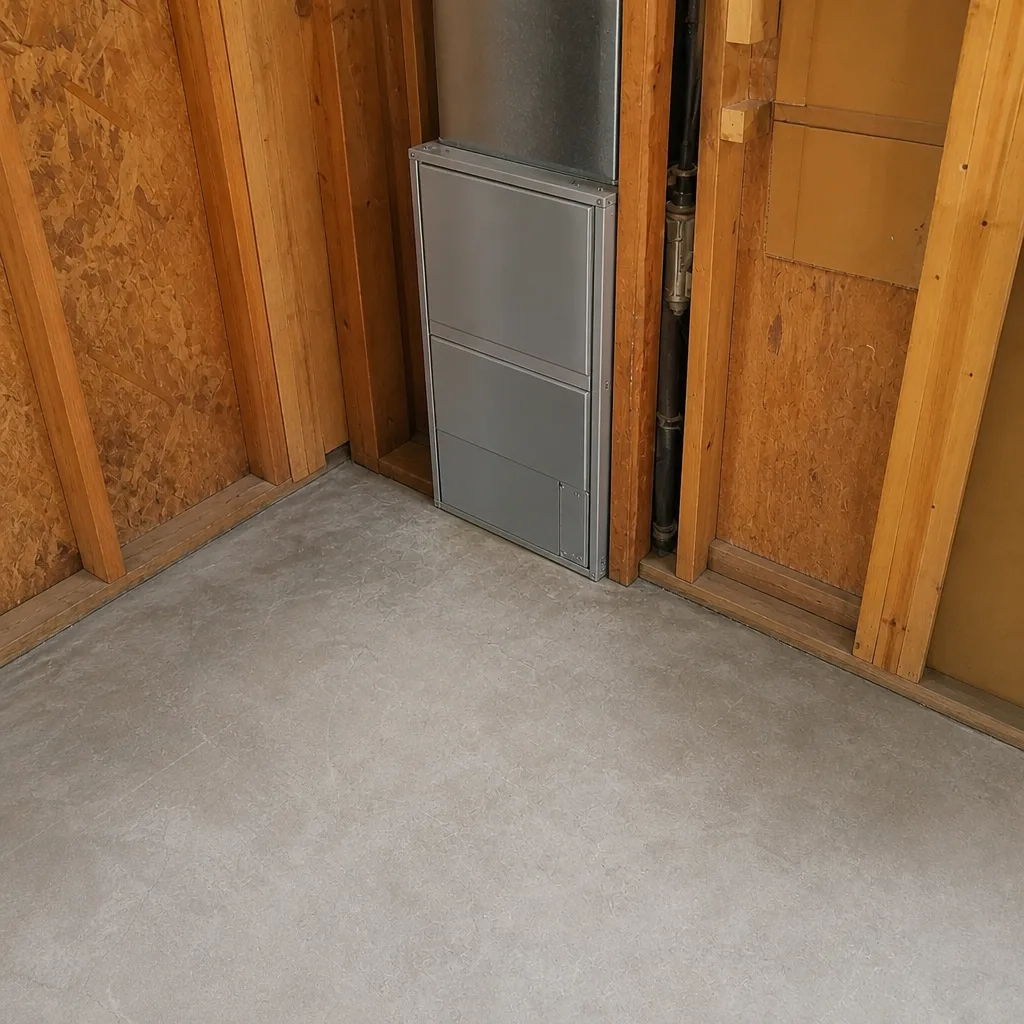
Whole-system duct and dryer vent check with before-and-after photos - you see exactly what came out of your vents
That "$99 whole-house special" is a bait ad - the real number appears once they are in your hallway, or the "clean" is a shop-vac at the register. We photograph the inside of your ducts before and after instead.
Air Duct Cleaning Troubleshooting in Elgin: Common Problems and How to Fix Them
If your rooms still smell musty two weeks after a duct cleaning, the cleaning probably wasn’t the issue – and doing it again won’t be either. That’s the hardest thing to hear after you’ve already paid once, but it’s true more often than most homeowners expect. In our experience across Elgin, a large share of “the cleaning didn’t work” calls are really airflow problems: a crushed flex run, a disconnected trunk, a blower pushing against too much static pressure. Cleaning a system that has a mechanical fault is like washing a car with a flat tire. This guide teaches you to read the symptoms before you schedule anything, so you spend money on the fix that actually solves the problem.
Quick Answer
Air duct cleaning “not working” is usually one of two different problems wearing the same mask. If your ducts are genuinely dirty, contamination shows up as visible buildup at the registers and consistent debris, and cleaning solves it. If rooms stay dusty or uneven after a cleaning, you’re almost certainly looking at an airflow or mechanical fault – crushed or disconnected duct sections, wrong static pressure – that only an air duct cleaning contractor who inspects the full system can diagnose. Cleaning fixes contamination. It doesn’t fix a broken duct, and it won’t cure mold growing in the air handler.
Styles & brands we work with
- Whole-home duct cleaning
- Dryer vent cleaning
- Camera inspection
- Sanitizing & deodorizing
Table of Contents
- Contamination vs. Airflow: The Test That Tells You Which Problem You Have
- What Persistent Odor After Cleaning Actually Means
- Why Some Rooms Never Get Warm or Cool Enough
- How to Spot a Blow-and-Go Job That Made Things Worse
- The Symptoms That Require Negative-Pressure Verification
- When You Need Air Duct Repair, Not Another Cleaning
- What Elgin Homes Do to Duct Systems
- Safe Checks You Can Do Yourself Before Calling Anyone
Contamination vs. Airflow: The Test That Tells You Which Problem You Have
The single most useful thing you can do is figure out which of two problems you’re dealing with before anyone touches your system. Contamination is a cleaning problem. Airflow is a mechanical problem. They look similar from the couch – dust, stuffiness, a house that never feels quite right – but they have completely different fixes, and treating one as the other is how people end up paying twice.
Here’s the vent-output test we walk people through over the phone, and it takes about five minutes:
- Turn the system fan to “on” so it runs continuously without heating or cooling.
- Hold a tissue or a thin strip of paper against the face of a supply register in a room that feels stuffy.
- Compare it to a register in a room that feels fine. Is the pull noticeably weaker? Half as strong? Barely moving?
- Check the return grille. A strong supply but a weak return (or the reverse) points to a pressure imbalance, not dirt.
- Note which rooms pass and which fail. A pattern across specific rooms is your first real diagnostic clue.
If most registers pull strong and the house is still dusty, you likely have contamination plus a source you haven’t found – often an unsealed return pulling attic or crawlspace air. If two or three rooms are weak while others are fine, that’s a duct problem, full stop, and no amount of vacuuming will change the tissue test. What you’re measuring in that second case is static pressure doing what physics demands: air takes the path of least resistance, so a crushed or disconnected run simply gets starved while the rest of the system over-delivers.
One more distinction worth naming: dust that settles on horizontal surfaces within a day of cleaning is different from dust that appears in a thin film over a week. Fast settling usually means the system is pulling debris in from somewhere (a return leak, a dirty blower compartment) rather than failing to remove what was already there.
What Persistent Odor After Cleaning Actually Means
A musty smell that comes back – or never leaves – after a duct cleaning is very rarely a duct problem. Ducts are metal or flex tube. They don’t grow mold on their own unless they’re staying wet, and if they were wet enough to grow mold, the cleaning would have removed the visible growth and you’d smell the difference for at least a while. A smell that returns quickly, or smells strongest right when the system kicks on, usually points to the air handler: the evaporator coil, the drain pan, the blower wheel, or the insulated interior of the cabinet itself.
This matters because the air handler is where condensation lives. In Elgin, summer humidity runs high enough that a coil box which drains poorly, or a pan that holds a half-inch of standing water, becomes a biological surface. Every time the blower runs, it moves air across that surface and into your ducts. You can clean the ducts perfectly and the smell returns within days, because the source was never in the ducts.
Signs the air handler is the culprit:
- The smell is strongest in the first minute after the system starts, then fades.
- It smells musty rather than chemical, and gets worse on humid days.
- You notice it near the return grille more than at supply registers.
- Water stains, rust, or standing water show up near the indoor unit.
What we won’t do is tell you mold remediation is part of a duct cleaning, because it isn’t, and it falls outside what we handle. If the air handler itself has visible biological growth, that’s a conversation for an HVAC contractor or a remediation specialist. What we can do is clean the duct system thoroughly and tell you honestly whether what you’re describing sounds like a duct issue or something upstream of it.
Why Some Rooms Never Get Warm or Cool Enough
Uneven room temperatures are the classic symptom homeowners misread as “the ducts are dirty.” A dusty duct doesn’t starve one room of air. A duct that’s crushed, disconnected, or run wrong does. When one bedroom is always five degrees off while the rest of the house is comfortable, you’re looking at delivery, not cleanliness.
The usual suspects, roughly in order of how often we find them:
- A disconnected flex run. The inner liner separates from the collar at the takeoff, and the air dumps into the joist cavity instead of the room. That room gets nothing.
- A crushed or kinked flex duct. Flex that got stepped on during a remodel, or bent too tight around a corner, loses most of its capacity. It looks fine from the outside.
- A closed or blocked damper. Sometimes in the branch, sometimes at the boot, sometimes a balancing damper nobody remembers adjusting.
- Undersized or excessive runs. A long, small-diameter run to a far room can’t deliver enough air no matter how clean it is.
- Boot and register leaks. The duct reaches the room but the connection at the floor or ceiling isn’t sealed, so half the air escapes into the wall cavity.
You cannot diagnose any of these by looking at the register. You diagnose them with a camera pushed into the duct, or by physically tracing the run. That’s the honest reason a proper inspection costs more than a vacuum-only service: somebody has to actually look inside the system. When we inspect a system in Elgin, the camera findings usually settle the question in ten minutes. Either the run is intact and the problem is elsewhere, or it’s disconnected and we can show you the picture.
If the camera shows structural damage, that’s an air duct repair job. Cleaning a system with a disconnected run and calling it done is exactly the kind of incomplete work this guide exists to help you avoid.
How to Spot a Blow-and-Go Job That Made Things Worse
Some duct cleaning services make contamination worse, and it’s worth knowing how to tell. The “blow-and-go” pattern is simple: a technician puts a vacuum hose on one or two access points, then uses a compressed-air whip or a blower to knock debris loose inside the ducts – without adequate negative pressure to capture it. The debris has to go somewhere. It goes into the rooms, into the air handler, and settles in the branch runs the vacuum never reached.
Signs a previous service did this to your home:
- Immediate increase in dust after the cleaning, especially on surfaces near supply registers.
- Debris visible inside registers that looked clean before the service.
- No before-and-after photos of the interior of the ducts, only pictures of the equipment or the truck.
- Very short service time for a whole-house system – a real whole-system clean takes hours, not minutes.
- No containment, no HEPA filtration mentioned, and a shop-vac-style unit rather than professional equipment.
- An invoice with a per-vent price that added up fast.
The equipment question is the one you can actually verify. Professional contact cleaning uses a rotary brush system – Rotobrush is the name most homeowners recognize – that physically agitates the duct walls rather than just sucking air through them. Capture matters just as much: a Nikro HEPA-rated extraction unit is built to hold what it dislodges, which is the whole reason remediation crews use that standard. When a company dislodges debris with air and captures it with nothing better than a shop vac, they haven’t cleaned your ducts. They’ve redistributed the contents.
One flat price per system, agreed before work starts, with before-and-after photos of your own ducts, is the standard that separates a real cleaning from a blow-and-go. If a quote is priced per vent, ask what’s included and how debris is captured. A straight answer tells you a lot.
The Symptoms That Require Negative-Pressure Verification
Some homes need proof the job was done, not a promise. Negative-pressure verification means the extraction equipment pulls the duct system into negative pressure during cleaning, so dislodged debris moves toward the vacuum rather than into your living space, and the setup is confirmed before work begins. It’s how remediation contractors work, and it’s the standard we hold ourselves to on every system.
Ask for it explicitly if any of these apply to your home:
- Anyone in the household has asthma, allergies, or a compromised immune system.
- You’ve had water damage, a roof leak, or a humid basement affecting the system.
- A previous cleaning left visible dust or a smell that didn’t resolve.
- The home has had pest activity in the ductwork or attic.
- You’re cleaning after renovation or remodeling dust.
- The ducts serve a home office or a room where someone spends most of the day.
What verification actually looks like: a containment setup at the access points, HEPA-rated extraction running throughout the job, and a technician who can tell you how the system was held under negative pressure while the rotary brush worked each run. Abatement Technologies equipment – remediation-grade gear rarely seen in residential duct cleaning – is the brand we use for that containment-first approach because it was built for environments where capture isn’t optional.
If a company can’t explain how they capture debris, that’s your answer. The cleaning might still remove some surface buildup, but the loose material has to go somewhere, and “into your rooms” is not a plan.
When You Need Air Duct Repair, Not Another Cleaning
Here’s the gap most duct cleaning companies leave open: a cleaned but leaking duct system still wastes energy and still pulls contaminants in. Cleaning and repair are two different services, and most competitors only offer the first. If your system has disconnected runs, crushed sections, failed mastic, torn flex liner, or unsealed boot connections, cleaning it is only half the job.
How to tell you’re in repair territory rather than cleaning territory:
- Rooms that consistently fail the tissue test while others pass.
- Visible gaps or separation where ducts meet the plenum, boots, or registers.
- Dust streaks around register frames or a fine layer of dust on nearby walls, indicating air escaping at the seam.
- Rattling or whistling at a specific register when the system runs.
- A camera inspection that shows collapsed flex, separated collars, or holes.
Repair is a standalone service for us, and that’s deliberate. A homeowner who’s been sold two cleanings that didn’t fix anything deserves to hear that the third call should be about the duct structure, not the dust. If a camera shows the run is intact and sealed, we’ll tell you that too, and you’ll know not to spend on repair you don’t need.
What Elgin Homes Do to Duct Systems
Elgin sits in a climate that swings hard between seasons, and duct systems here take the beating that comes with it. The heating season is long and dry; the cooling season is short and humid. That cycle puts flex duct through repeated expansion and contraction, and it’s a common reason seams work loose and liner separates over the years, especially in older homes around the near-downtown blocks and in the neighborhoods south and west of the Fox River where housing stock runs older and duct runs get longer and more improvisational.
Two local patterns come up again and again:
Basement and crawlspace runs in older Elgin homes. Many of these systems were retrofitted into houses that never had central air, so flex was routed through whatever space existed. Runs get long, bends get tight, and a crushed section in a finished basement ceiling is easy to ignore until a room upstairs never heats right.
Humidity and the air handler. A high-humidity summer in Elgin plus a pan that drains slowly equals the musty smell problem covered above. The ducts themselves are usually fine. The coil box is the culprit, and no amount of duct cleaning touches it.
What we don’t do is guess from a phone call. Whether your home is a 1950s bungalow or a newer build out toward the west side, the diagnostics are the same: measure, inspect, verify, then recommend. If you’re weighing the options across the region, our Elgin service page covers how we handle systems like yours. And if dryer safety is on your mind, dryer vent cleaning addresses the leading appliance fire cause identified by the U.S. Fire Administration, which is a separate job from ductwork but often scheduled at the same visit.
Safe Checks You Can Do Yourself Before Calling Anyone
None of these require tools or touching the inside of the system. They give you information to share with whoever you call, and they’ll help you answer the question before anyone arrives.
- Change the filter and note the date. A filter so loaded it’s bowed inward is a pressure problem in itself, and it’s the first thing any honest technician will check. Note the MERV rating of what you installed.
- Run the tissue test at supply registers room by room, and write down which rooms pass and which fail. The pattern is the diagnostic clue.
- Look at the return grille for dust streaks. Streaks around the frame mean air is pulling past an unsealed gap, drawing in attic or wall-cavity air.
- Note when the smell or dust is worst – first thing after the system starts, on humid days, in specific rooms. Timing narrows the cause.
- Check the floor around the indoor air handler for water stains or rust. That’s an air handler issue, not a duct issue, and worth saying upfront.
- Look for visible separation of duct connections at registers and boots. If you can see a gap, there’s a gap.
What not to do: don’t reach into ducts, don’t spray anything into them, don’t try to reseal duct connections with tape from the inside, and don’t open the air handler cabinet. Those are jobs for a trained technician, and doing them wrong can make an airflow problem worse or disrupt the system’s pressure balance in ways that are hard to undo.
Common Mistakes to Avoid
- Assuming a second cleaning will fix what the first one didn’t. If the root cause was a crushed run or a dirty air handler, the second cleaning will fail exactly like the first. Diagnose first.
- Buying on per-vent pricing. A per-vent quote rewards a company for counting vents instead of solving your system. Ask for one flat price per system.
- Ignoring the air handler. A musty smell that persists after cleaning almost always points upstream of the ducts. Cleaning the ducts again won’t touch it.
- Accepting a cleaning without before-and-after photos. Your own ducts, not the equipment, not the truck. If a company can’t show you, you can’t know.
- Skipping the camera when several rooms are weak. Uneven temperatures are a structural symptom. Without a camera inspection, you’re guessing.
- Hiring a blow-and-go operator because the price looks low. Dislodged debris without HEPA capture makes contamination worse, and you pay twice to fix it.
- Assuming dirt is the only problem worth fixing. Leaking and disconnected ducts waste energy every month they’re left alone, and cleaning won’t seal them.
See the difference
 Before
 After
 Before
 After
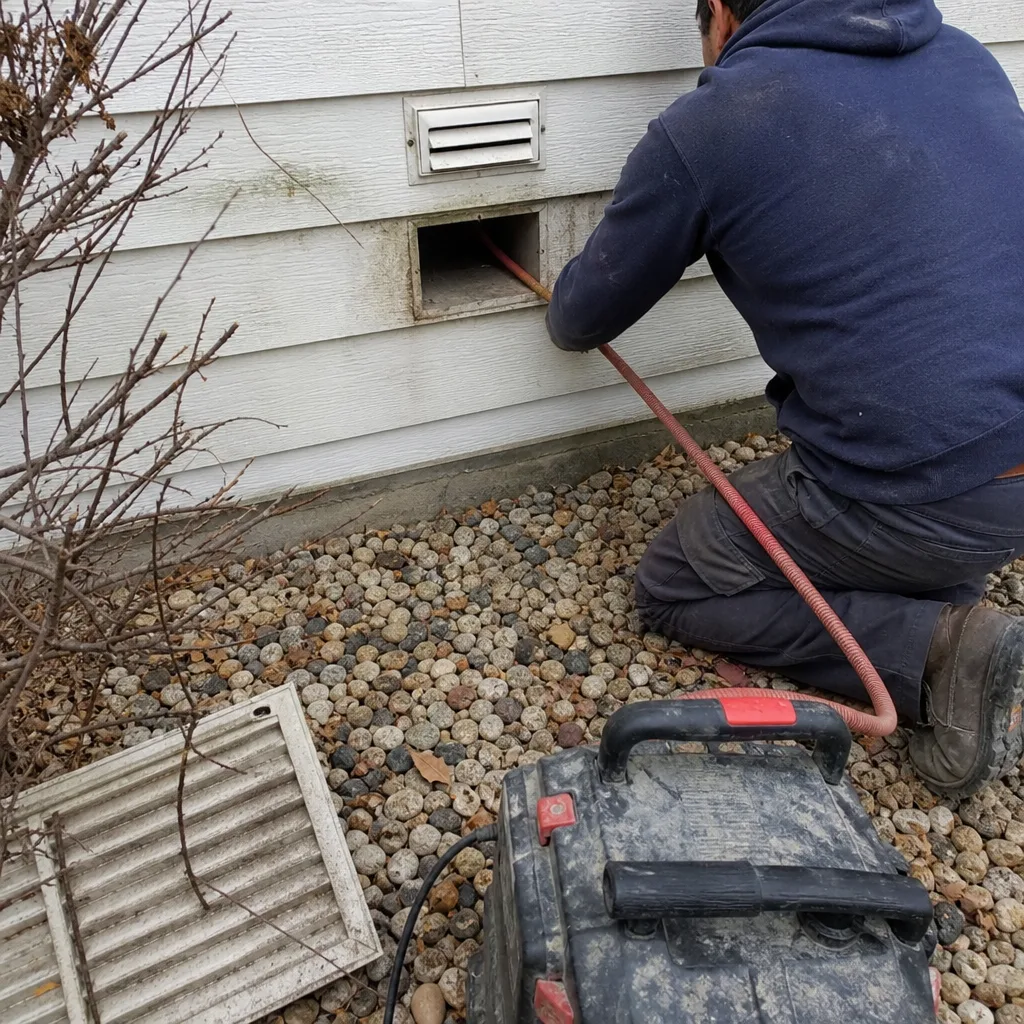 Before
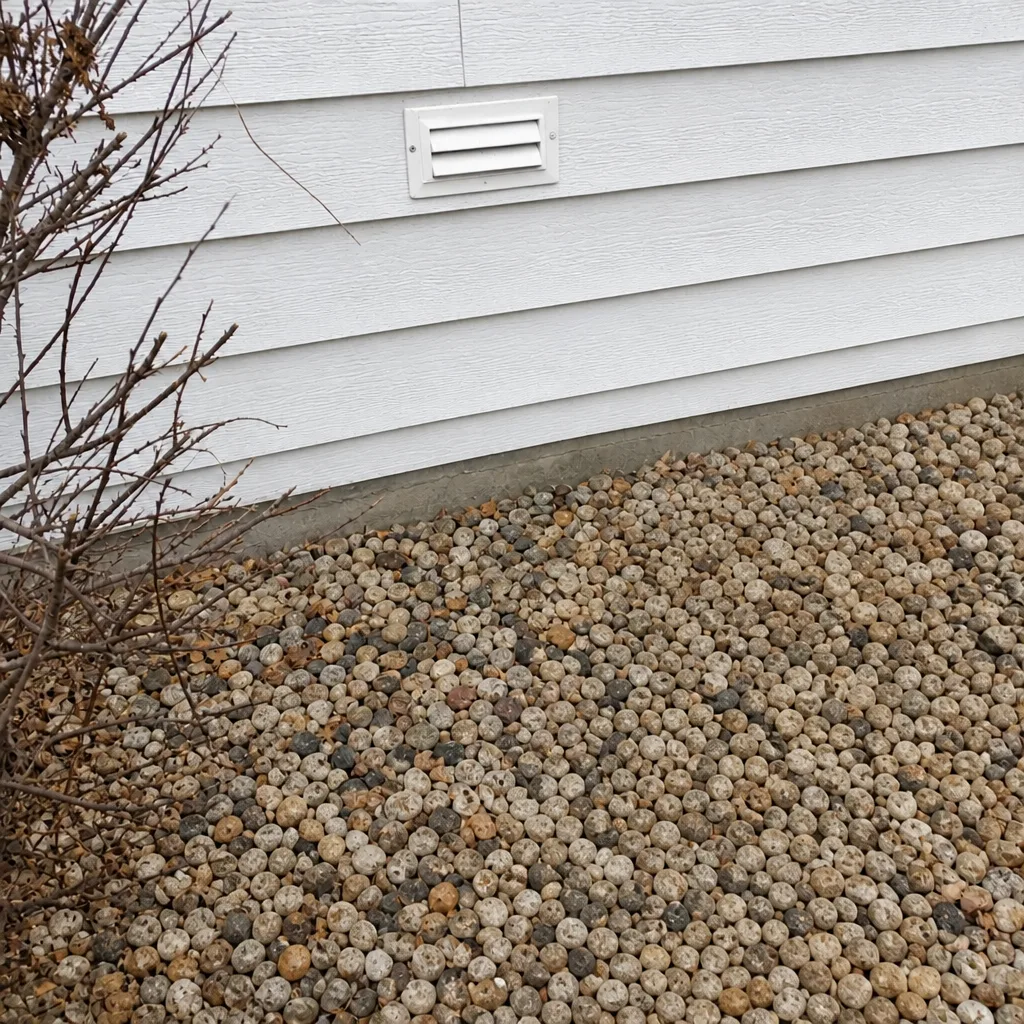 After
When to Call a Professional
Call a professional when the symptoms point past surface dirt: rooms that fail the tissue test while others pass, a musty smell that returns within days of a cleaning, visible dust streaks at register frames, rooms that stay unevenly heated after the filters are changed, or any sign of water around the air handler. Those scenarios need a camera inspection and a proper diagnosis, not another vacuum pass. If you’ve had a previous cleaning you suspect was rushed, or you want the interior of your ducts photographed before and after, that’s worth a call too. Duct Cleaning Elgin offers free estimates in Elgin and can tell you honestly whether you need cleaning, repair, or neither. Call (855) 393-2846. We answer 24/7. Fast dispatch from 7am to 7pm, Sunday through Friday. Our technicians have up to 14 years of experience, and we use professional-grade Rotobrush, Nikro, and Abatement Technologies equipment on every job.
Frequently Asked Questions
Most likely because the dust is being reintroduced after the cleaning, or the cleaning never addressed the source. An unsealed return pulling attic air, a dirty blower compartment, or a disconnected run dumping dust into a cavity will put a fresh layer of dust in the house within days. A thorough cleaning with HEPA capture removes what was there; only a diagnosis of the source stops the next layer. Ask for before-and-after photos of your ducts so you can see what the cleaning actually reached. Call (855) 393-2846 for an exact quote on a proper inspection – estimates are free.
Usually not before someone diagnoses why. A second cleaning of a system with a crushed or disconnected run will fail the same way the first one did, and a musty smell from the air handler won’t respond to duct cleaning at all. Get a camera inspection first, then decide between cleaning, air duct repair, or an HVAC contractor for the air handler. Call (855) 393-2846 and we’ll walk you through what the symptoms point to before you spend anything.
Whole-system cleaning in the Elgin market typically runs in the several-hundred-dollar range for a standard single-family home, and a system needing repair or a camera inspection adds to that scope. We price per system, not per vent, and we agree one flat price in writing before work starts. That’s what protects you from a low teaser number that grows once the technician is on site. The written estimate sets the final price. Call (855) 393-2846 for an exact quote – estimates are free.
Cheap quotes usually skip one of three things: proper capture equipment, containment, or time inside the ducts. A blow-and-go operator puts a hose on one access point and uses air to knock debris loose without HEPA extraction strong enough to hold it, which redistributes contamination rather than removing it. Rotobrush contact cleaning plus Nikro HEPA extraction takes real equipment and real hours, and the price reflects that. Ask any company how they capture debris, then judge. Call (855) 393-2846 for an exact quote – estimates are free.
Before-and-after photos of your own ducts, taken by the technician, plus a clear explanation of how the system was held under negative pressure during cleaning. If a company can’t produce photos or explain the capture setup, you have no way to verify the job. That’s the whole reason we document it. Call (855) 393-2846 and ask what proof you’ll get with the service – we’ll tell you straight.
For most homes, every two to four years is a reasonable window, and some systems go longer if the filter is changed on schedule and no water, pest, or renovation event has occurred. Homes with pets, recent remodeling, or allergy concerns in the household tend to benefit from the shorter end. If you notice musty odors, uneven rooms, or heavy dust buildup, timing is less important than diagnosis. Call (855) 393-2846 for an exact quote on an inspection – estimates are free.
The Bottom Line
Dirty ducts and broken ducts are two different problems, and most “duct cleaning didn’t work” complaints come from treating one as the other. Use the tissue test to check airflow room by room. Treat a returning musty smell as an air handler question, not a duct question. Ask for camera findings before accepting an airflow fix. And when you hire, ask how debris is captured, whether the price is per system or per vent, and whether you’ll get photos of your own ducts. Those four questions will tell you more about a company than any price. Then call Duct Cleaning Elgin at (855) 393-2846 for a free estimate.
Written by the team at Duct Cleaning Elgin.