
Last updated November 16, 2026
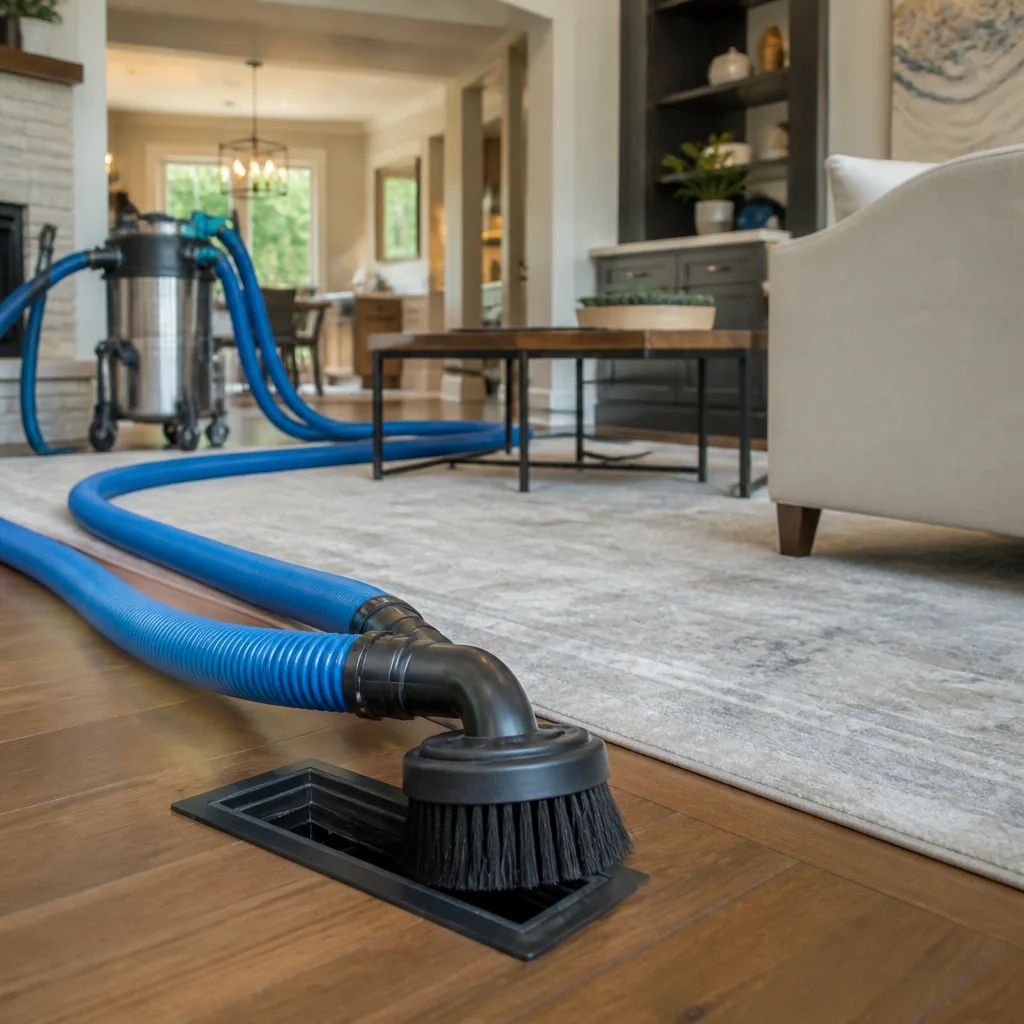 Whole-home duct cleaning
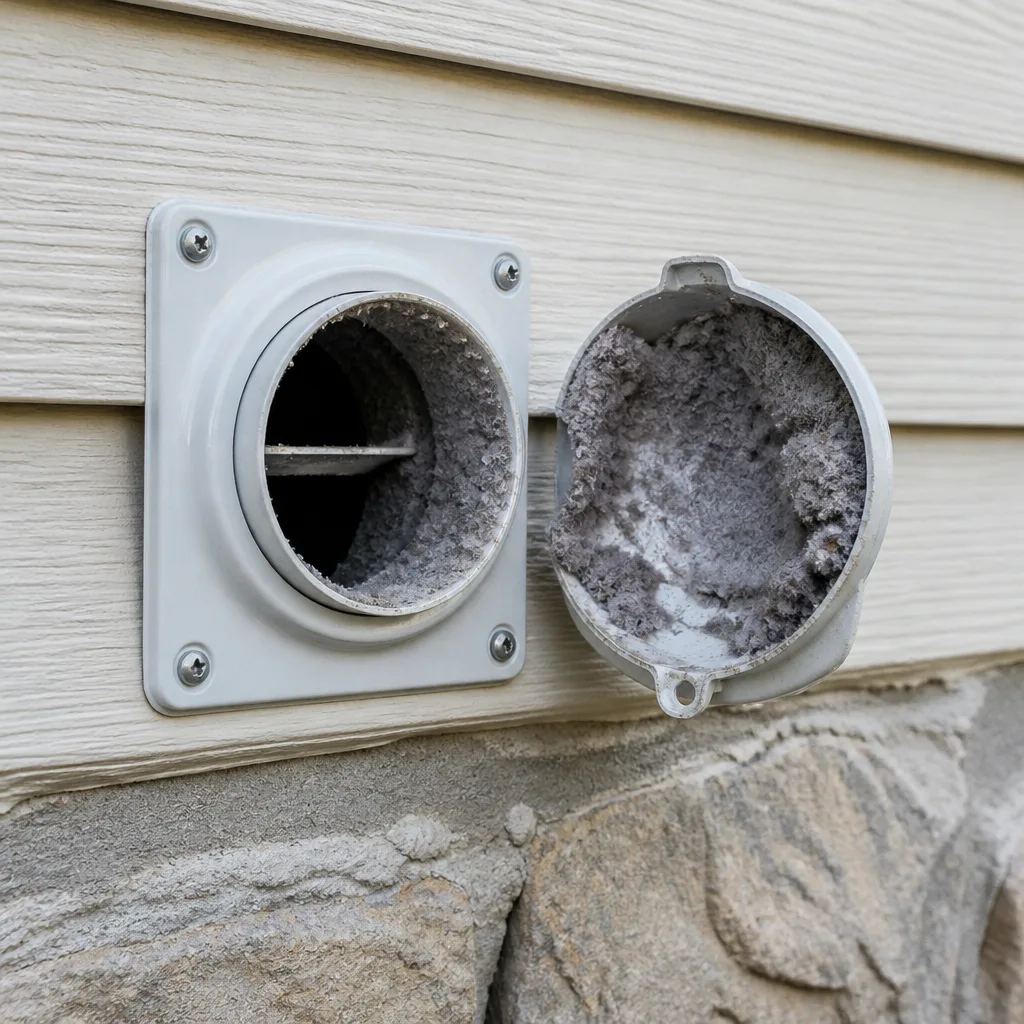 Dryer vent cleaning
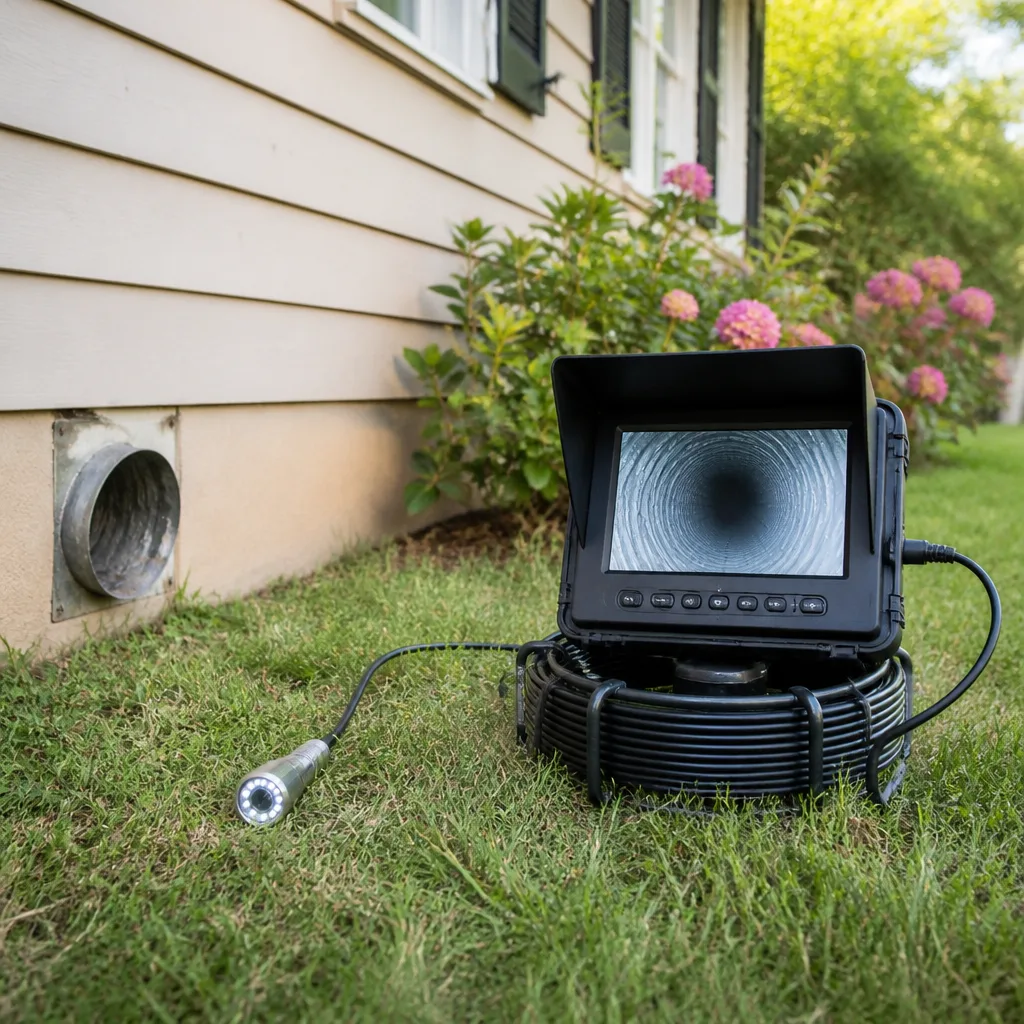 Camera inspection
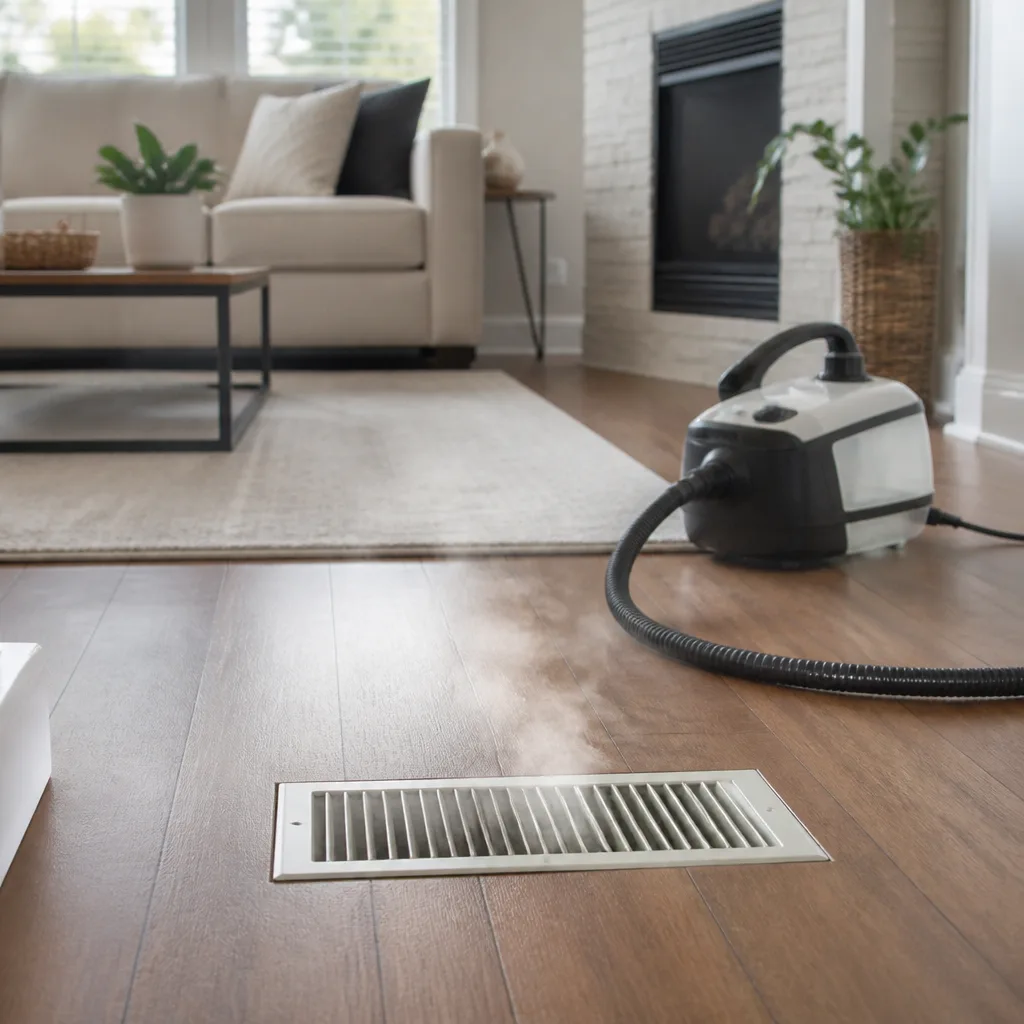 Sanitizing & deodorizing
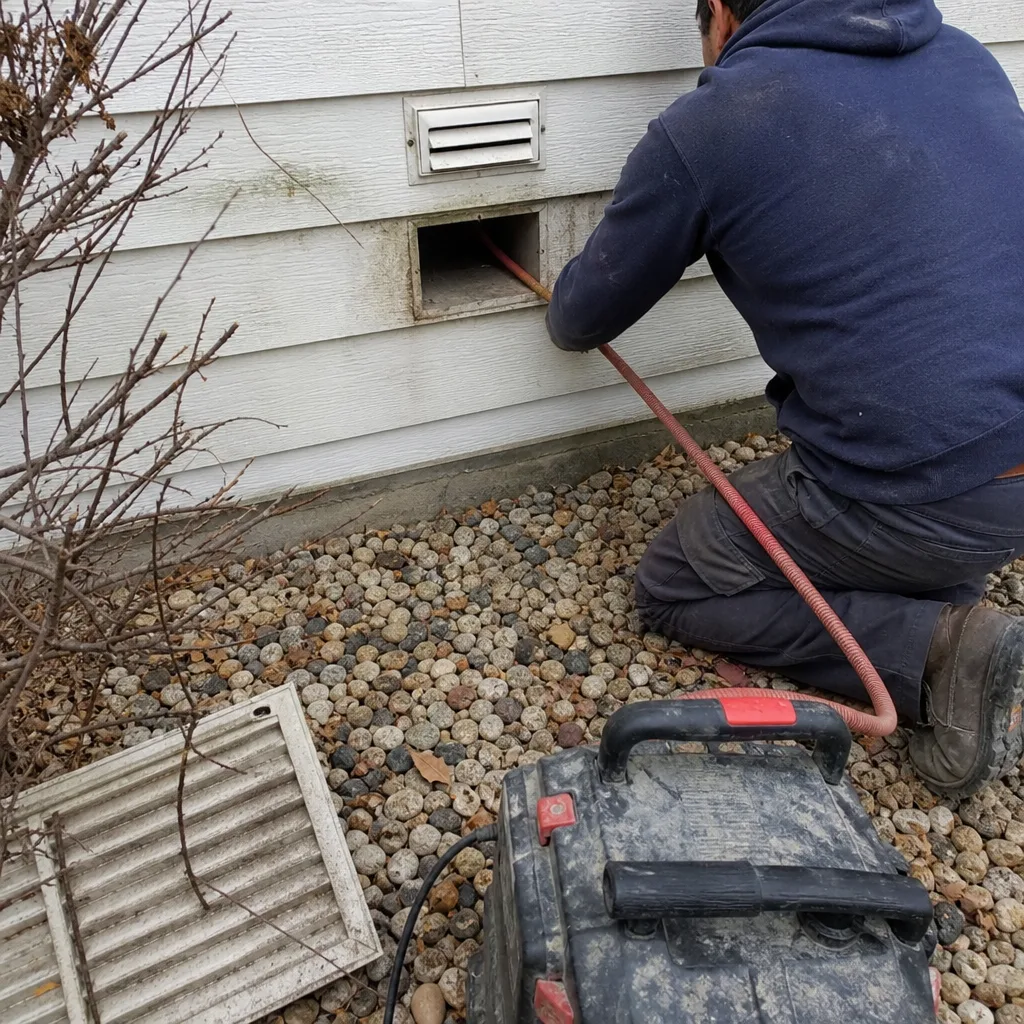
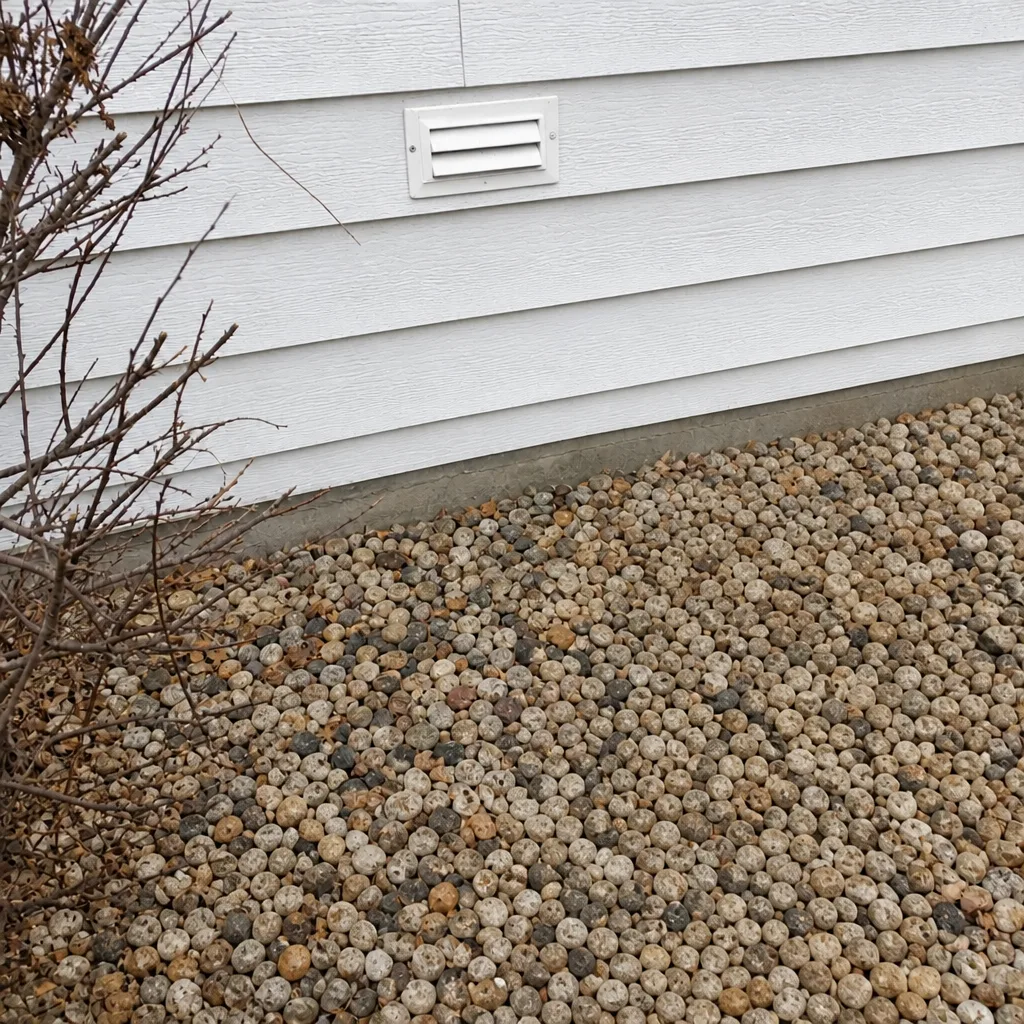
Whole-system duct and dryer vent check with before-and-after photos - you see exactly what came out of your vents
That "$99 whole-house special" is a bait ad - the real number appears once they are in your hallway, or the "clean" is a shop-vac at the register. We photograph the inside of your ducts before and after instead.
Air Duct Cleaning Maintenance Schedule: What to Do and When
A retired couple in a sealed Elgin ranch and a family of five with two dogs and a basement renovation need completely different duct maintenance timelines. Giving them the same advice is how buildup gets ignored until it becomes a problem. The usual “clean every three to five years” rule treats every house as though it loads its duct system at the same rate. It doesn’t. The number that actually matters is how fast your filters and duct walls collect debris, and that rate moves with pets, occupants, HVAC runtime, and recent construction. This guide explains how to read those four variables in your own home, build a schedule around your actual load factors, and recognize the post-event triggers that override any calendar. You’ll learn what to inspect, when to inspect it, and how Elgin’s seasonal humidity fits into the timing.
Quick Answer
The right duct cleaning schedule isn’t a calendar. It’s a load calculation. A typical Elgin home with one or two occupants, no pets, and a well-sealed duct system usually needs professional cleaning every three to five years. A home with multiple pets, high occupancy, or a recent renovation may need it every eighteen months to two years. Water intrusion, a system replacement, or construction dust overrides any interval and means a cleaning and inspection right away. Between professional cleanings, check filters monthly and do a visual inspection at supply registers once a year. That inspection is the real schedule.
Key Takeaways
- The universal three-to-five-year rule is a starting point, not a schedule; your household’s load factors compress or extend it.
- Filter loading rate tells you how fast your duct system is collecting debris between professional cleanings.
- Four variables drive contamination: pets, occupants, HVAC runtime, and recent construction activity.
- Water intrusion, renovation dust, and system replacement are post-event triggers that override any scheduled interval.
- An annual visual check at supply registers catches early buildup before it reaches the return plenum.
- Elgin’s spring and fall humidity swings create a narrow inspection window when early biofilm is easiest to see.
Styles & brands we work with
- Whole-home duct cleaning
- Dryer vent cleaning
- Camera inspection
- Sanitizing & deodorizing
Table of Contents
- Why the Three-to-Five-Year Rule Is Only a Starting Point
- The Four Load Factors That Set Your Real Interval
- What Filter Inspection Tells You About Duct Loading
- Post-Event Triggers That Override Your Schedule
- How to Run an Annual Visual Inspection at Supply Registers
- Timing Your Inspection Around Elgin’s Humidity Swings
- Building a Yearly Maintenance Calendar
- What a Professional Cleaning Does That Maintenance Can’t
Why the Three-to-Five-Year Rule Is Only a Starting Point
The three-to-five-year interval exists because it’s the middle of the bell curve, and the middle of a bell curve describes almost nobody precisely. It’s a useful default for a low-load household with a well-maintained system. It’s the wrong schedule for a busy household with pets and a leaky return duct. And it’s dangerously loose for a home that just came through a water intrusion event. The rule is a starting point, not a promise.
What we’ve found walking duct systems in Elgin is that contamination rate varies more between two houses on the same block than most homeowners expect. Two homes of the same square footage, same HVAC age, same exterior can load at completely different rates based on what’s moving through the system and how long it runs. A house with a finished basement and three occupants running the fan continuously is moving far more air than an identical house with two occupants and a system that cycles normally.
This is why the useful question isn’t “how often should I clean my ducts” but “how fast does my duct system load debris.” Once you can answer the second question, the schedule writes itself. The rest of this guide covers the four variables that set loading rate, how to read your filters as a proxy for it, and the specific events that reset the clock entirely.
If your system has never been professionally assessed, reading our guide to air duct cleaning on what the full process involves is a useful first step.
The Four Load Factors That Set Your Real Interval
Four variables account for most of the difference between two homes’ duct loading rates. Assess each honestly. If any two of them are elevated, shorten your interval from the default. If all four are elevated, you’re not on a multi-year schedule anymore.
1. Pets
Pets mean shedding, and shedding means debris entering the return air path at a high rate. A single short-haired dog or cat pushes a household from the standard interval toward the shorter end. Two or more large animals, or any pet with a double coat that sheds seasonally, moves it further. Pet hair also binds with dust on duct walls in a way that plain household dust doesn’t, which makes it harder to clear from register surfaces.
2. Occupants
Every person in a home produces skin cells and introduces dust through clothing, activity, and foot traffic. One or two occupants produce a low load. Three to five produce a moderate load. Households of six or more, or households with young children who bring in material from school and outdoor play, run higher. Daycare arrangements and multi-generation homes load faster than their square footage suggests.
3. HVAC Runtime
This is the variable most homeowners overlook. A duct system only collects debris when air is moving through it. A central system that runs long cycles through a hot Elgin summer moves far more air than a window AC or a high-efficiency system that cycles briefly. Homes with thermostats set low, homes with undersized systems that run continuously, and homes where the fan switch is set to “on” rather than “auto” all load significantly faster than homes that run the system sparingly.
4. Recent Construction
Any interior renovation that opens walls, replaces flooring, or generates drywall dust produces duct contamination fast. A finished basement build in Elgin, a kitchen remodel, drywall repair, or refinishing floors all push fine particulate into the air handling system. If you’ve renovated in the last twenty-four months, your duct system is likely at a much higher contamination level than its calendar age suggests.
Putting the Four Together
- Identify how many of the four factors are elevated in your home.
- For two elevated factors, shorten the default interval to two to three years.
- For three or four elevated factors, plan on roughly every eighteen months to two years.
- For zero elevated factors, you’re safe at three to five years, with an annual visual check.
If you’re in Elgin and read your load as elevated, our guide to duct cleaning serves as a starting reference for what the process actually changes.
What Filter Inspection Tells You About Duct Loading
Your filter is the most direct, most honest instrument you have for tracking how fast your duct system is loading debris between professional cleanings. It’s not a perfect proxy, but it’s a real one, and it costs nothing to read.
A filter replaced on the first of the month and then checked on the fifteenth tells you something. If it’s clean at two weeks, your system is loading slowly. If it’s visibly gray and matted by the two-week mark, your duct system is collecting debris at an accelerated rate, and your national cleaning interval needs to be shortened. A filter that’s fully clogged in two weeks is not a filter problem. It’s a signal that something upstream is heavier than it should be.
How to Read Your Filter Between Cleanings
- Write the date you install a new filter on the edge of the filter frame with a marker.
- Check the filter at two weeks. Note how much of it is grayed over.
- Check again at four weeks. Note whether the filter is holding its shape and if the surface is matted.
- Replace based on what you see, not on the manufacturer’s stated interval, which assumes “typical” use.
- Log the replacement date in a simple notebook or a note on your phone, alongside the date of your last professional cleaning.
When the Filter Signals It’s Time to Schedule
- Filters that last only two weeks before clogging: your duct system loading rate is elevated, so schedule a cleaning assessment.
- Filters that last four to six weeks normally: standard rate, standard interval.
- Filters that last two or three months: low loading, you’re at the low end of the interval.
- Filters that show a distinct pattern of gray on one side only: note it. Uneven loading can point to a return duct imbalance or a leak in one branch of the system.
The U.S. Fire Administration identifies the lint in a dryer vent as the leading cause of clothes dryer fires. Your HVAC filter doesn’t carry that specific risk, but it carries a parallel message about how many pounds of material are entering your system every month. Reading it is the cheapest maintenance test you’ll ever run. If you want a professional read on what’s actually in the ducts, our guide to dryer vent cleaning covers the parallel story on the exhaust side.
Post-Event Triggers That Override Your Schedule
Three events override your regular maintenance schedule entirely. If any of them happen, schedule a professional inspection regardless of how recently your ducts were cleaned.
Trigger 1: Water Intrusion
Any water event that affects the HVAC system or duct runs, whether from a roof leak, a plumbing failure, a basement flood, or high exterior humidity entering through a crawlspace, changes the risk profile of the duct system. Moisture in the duct environment is what allows biological growth to take hold. Even if the ducts looked clean before the water event, they need an inspection afterward. Most homeowners don’t connect a leak in a corner of the basement to the HVAC system, but if the ducts run through that space, they’re affected.
Trigger 2: Renovation
Any renovation that opens walls, replaces flooring, or generates visible drywall dust sends fine particulate straight into the return air path. A cleaning after the renovation is standard practice. If the renovation is extensive, a second cleaning six to twelve months later is worth planning, because dust keeps settling out of the air and into the system in the months that follow.
Trigger 3: HVAC System Replacement
When a furnace or air conditioner is replaced, the moment the old unit comes off is a moment when the duct system is exposed and cleanable. Replacing the equipment without cleaning the ducts that feed it is a missed opportunity, and in some cases it means a new high-efficiency unit is moving the same contaminated air the old one was. This is also the natural time to evaluate whether the duct system itself has structural problems that need air duct repair alongside the cleaning.
Post-event triggers are also when we recommend professional equipment rather than a DIY vacuum, because the debris load after a construction event is beyond what a shop vac can handle. A professional-grade rotary brush system agitates dust and debris off the duct walls, and HEPA-rated extraction captures it rather than pushing it back into the living space.
How to Run an Annual Visual Inspection at Supply Registers
The single most useful piece of maintenance you can do between professional cleanings is a visual inspection at the supply registers once a year. It takes thirty minutes, catches early-stage buildup before it reaches the return plenum, and tells you whether your loading rate is beating your schedule.
What to Look For at Each Register
- Remove the supply register grille on your first floor. You’ll see either flex duct or rigid metal duct running a short distance into the wall.
- Shine a light down the inside surface of the duct. Look at the top and the bottom.
- Note whether you see visible gray dust, lint, or dark spotting on the duct walls.
- Note whether that dust is a light film, a moderate coating, or what looks like a matted layer.
- Repeat at one register per floor, ideally one near the air handler and one at the far end of the longest run.
- Write down the date and what you saw, using the same notebook you use to log filter changes.
What the Findings Mean
- Light film on duct walls: normal. Continue your current schedule.
- Moderate dust coating on the near-register run: your loading rate is elevated. Shorten the interval by a year.
- Matted layer or dark spotting: schedule a professional cleaning and inspection now, regardless of your schedule.
- Any visible moisture, condensation, or musty smell: schedule immediately, because moisture is the one thing that changes the risk level of the whole system.
Doing this once a year, at the same time of year, gives you a longitudinal record. When you call a professional to schedule, having that log tells them what to look at first, which saves time and gives a cleaner read on the actual load.
What this inspection can’t tell you is what’s happening in the return plenum, in the main trunk, or inside flex runs you can’t get a light down. For that you need the professional scope, which is the subject of our duct cleaning overview for Elgin homeowners.
Timing Your Inspection Around Elgin’s Humidity Swings
Elgin’s climate delivers two humidity events a year of real significance to duct systems: the spring warm-up, when outdoor moisture rises sharply and interior air often stays cool, and the fall cooldown, when temperatures drop and doors and windows stay closed for the first time in months. Both windows create the peak conditions for early-stage biological growth inside a duct system, and both are a narrow window when that growth is easiest to see before it becomes a larger issue.
The Spring Window
In late spring, outdoor air carries high moisture. Air conditioning runs intermittently, so condensation on cold ducts and cold air handler surfaces can form. That moisture plus the dust already on the duct walls is what allows growth to take hold. The point in the season to inspect is right before the AC goes into full use, when you can look at duct interiors and see the early signs before growth has spread.
The Fall Window
In fall, the furnace starts cycling for the first time since spring. Any dust that settled out over the summer is picked up and distributed. If the duct system held any moisture through the humid months, the fall is when it shows up as a musty smell carried through the supply registers. That smell is a signal, not a nuisance.
How to Time It
- Schedule your annual visual register inspection in May or October, right before the seasonal HVAC transition.
- Schedule any professional cleaning of a system you know was moisture-exposed to land before furnace season, so the ducts are clean going into the cooler months.
- If it’s been more than a year since your last filter check, do it before the first cold snap, so you’ll have that log when the heating season begins.
Elgin’s seasonal pattern is not extreme, but it’s real, and the timing turns a routine inspection into a genuinely useful one. If you want to align the professional side with that seasonal window, we can set an appointment in Elgin around it.
Building a Yearly Maintenance Calendar
Here’s the practical version of everything in this guide, laid out over a year. Use this as a template, then adjust the professional cleaning interval to match your load factors.
- January: Replace the HVAC filter and note the date. If you’ve never logged a filter change, this is the start of the record.
- February: Check the filter at the two-week mark. Note the loading pattern.
- March: Replace the filter. Note the total interval. Read it against your load factors.
- April: Rotate the supply registers and inspect the duct interiors at one register per floor. Log what you see.
- May: Complete the spring register inspection before the AC goes into heavy use. If the ducts show moderate or heavy contamination, schedule a professional cleaning now.
- June: Replace the filter. Note the pattern and confirm your short or long interval decision.
- July: Check the filter twice this month during peak AC use.
- August: If you’re heating with a basement or crawlspace system, check for condensation on any accessible duct surfaces.
- September: Replace the filter. Log the date.
- October: Complete the fall register inspection before the furnace goes into heavy use.
- November: Confirm your filter record is current going into the heating season.
- December: Review the year’s log. Decide the professional cleaning date for next year based on the pattern.
If you want to simplify this, combine the filter log and the register inspection log into one page. Every entry serves the same purpose: giving you or a professional a real measure of how fast your specific duct system loads debris. The log makes the whole schedule smarter.
Our technicians have up to 14 years of experience reading exactly this kind of record on Elgin homes. If the log suggests you’re overdue and you want a professional assessment, that’s a straightforward call.
What a Professional Cleaning Does That Maintenance Can’t
Annual register inspection catches the front of the system. Professional cleaning works on the whole system, and it’s not a matter of doing the same thing more thoroughly. It’s a different category of work.
A professional full-system cleaning uses contact cleaning with a rotary brush system that physically agitates and removes buildup from duct walls. Surface vacuuming, which is what a cheap cleaning company can get away with, doesn’t touch the material that’s adhered to the duct wall. The rotary brush does, because it’s mechanical contact rather than airflow. This matters more the older the duct system and the longer it’s been since a professional cleaning.
The second difference is capture. Dislodging debris without capturing it just redistributes it. Professional-grade HEPA-rated extraction captures it. That’s the same standard required in mold and asbestos remediation, and it’s what a professional-grade system like Nikro brings to a residential job. A shop vac from the hardware store doesn’t have that capture capability.
The third difference is containment and system-level awareness. Cleaning that treats each register as an isolated spot misses the return plenum particle loading, the main trunk buildup, and any structural issues in the duct system. The right cleaning includes an inspection of the duct system’s integrity, which is where air duct repair enters the picture. A cleaned but leaking duct system still pulls contaminants in from unconditioned spaces, and still wastes conditioned air.
For a system that’s been through a renovation, a water event, or a system replacement, this distinction is what separates a cleaning that actually changes the system from one that just looks like it did.
Common Mistakes to Avoid
- Using the three-to-five-year rule as a strict schedule. It’s a default for a low-load household, not a rule that applies to every home. A family of five with two dogs and a recent basement finish is in a different category entirely.
- Replacing filters based on the manufacturer’s stated interval instead of actual loading. The printed interval assumes typical use. Your home’s actual rate may be half or double that. Read the filter and adjust accordingly.
- Skipping the post-renovation cleaning. Drywall dust is far denser than ordinary household dust, and it settles into the system for months. A cleaning six months after a renovation is worth planning as standard.
- Ignoring condensation on duct surfaces. Elgin’s spring humidity can produce condensation on poorly-insulated ducts. Moisture turns a routine maintenance task into a potential biological issue. It’s worth acting on the first sign.
- Treating visible register dust as the whole story. The return plenum and main trunk hold the bulk of the debris. A register-only inspection catches the front. It doesn’t catch the middle or back of the system.
- Choosing a cleaning company on price alone. The lowest quote often means a single-access-point blow-and-go with no contact cleaning and no real capture system. You can’t tell what was done from the invoice. Ask what equipment is used before you book.
- Cleaning without inspecting for leaks at the same time. A cleaned system with a leaking joint still draws in contaminants from unconditioned spaces. Cleaning and a duct integrity check belong together.
See the difference
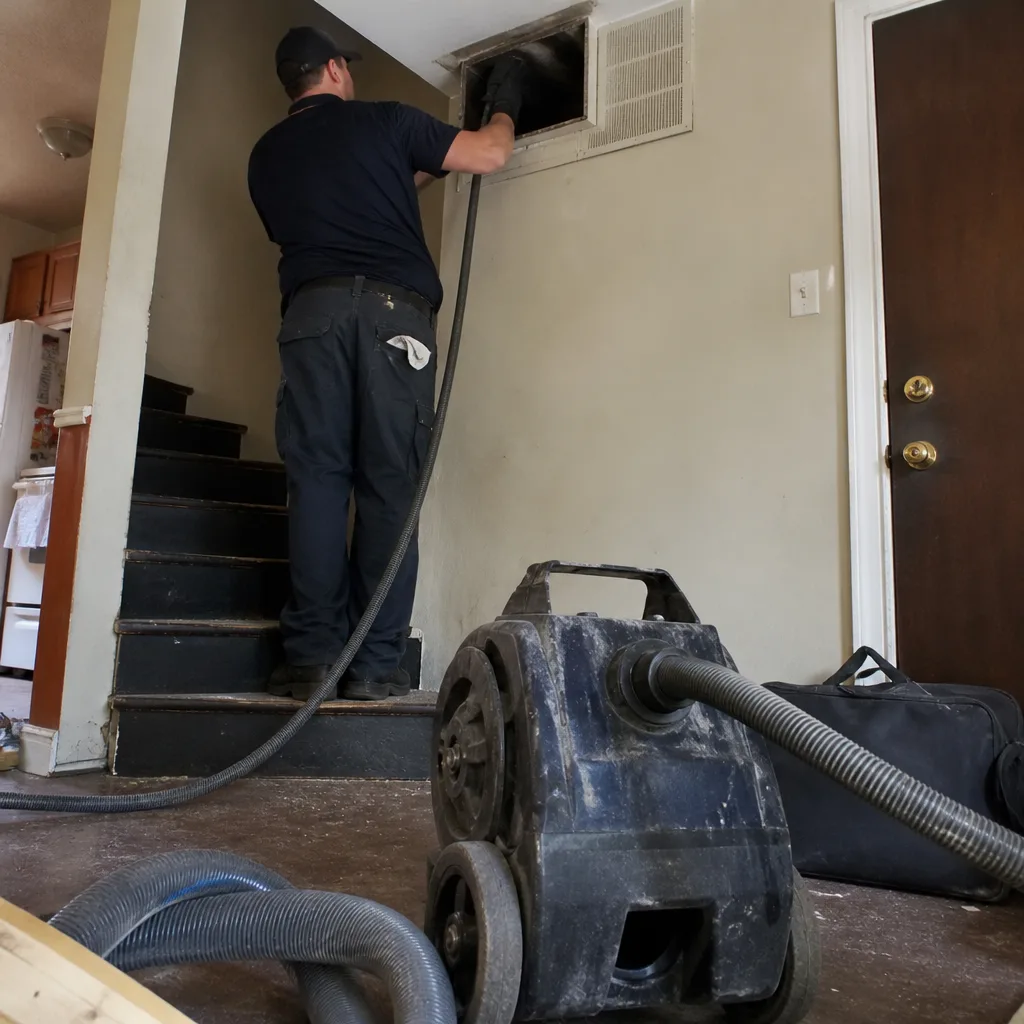 Before
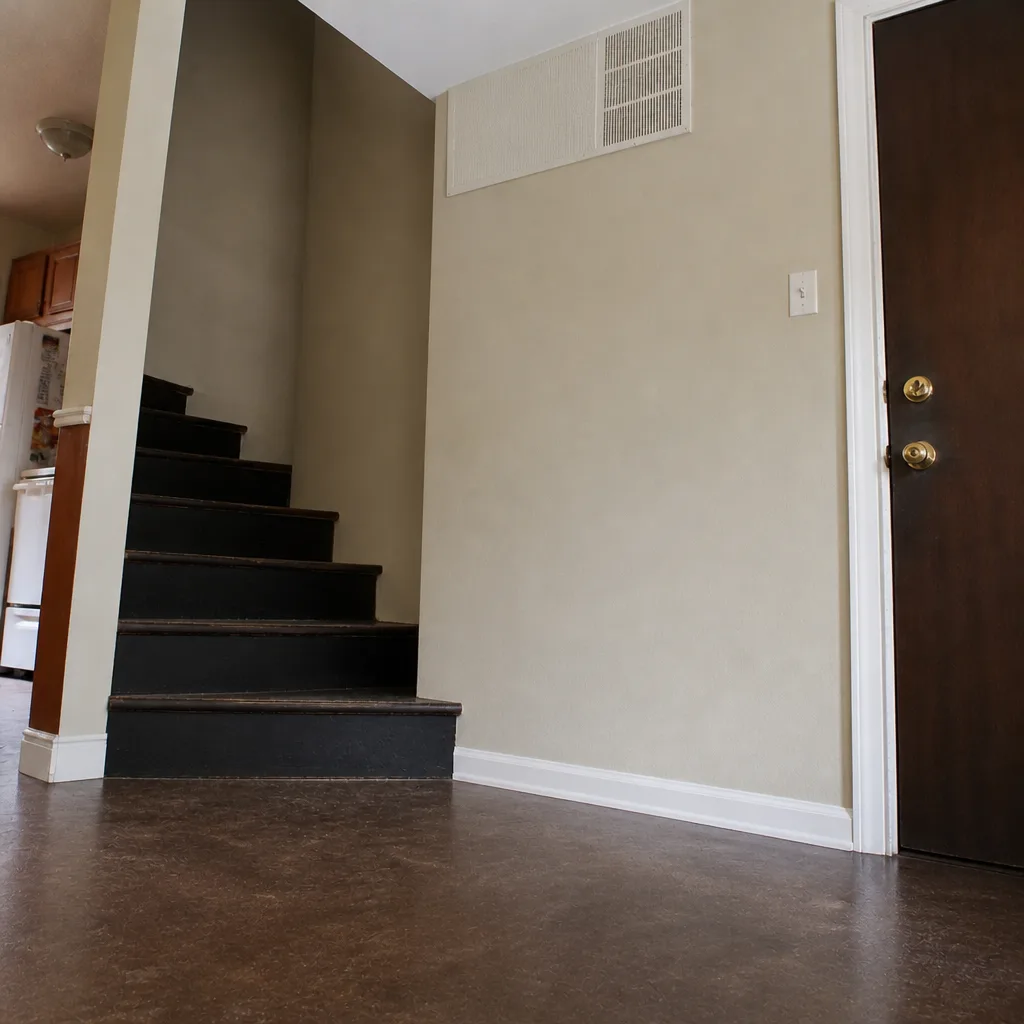 After
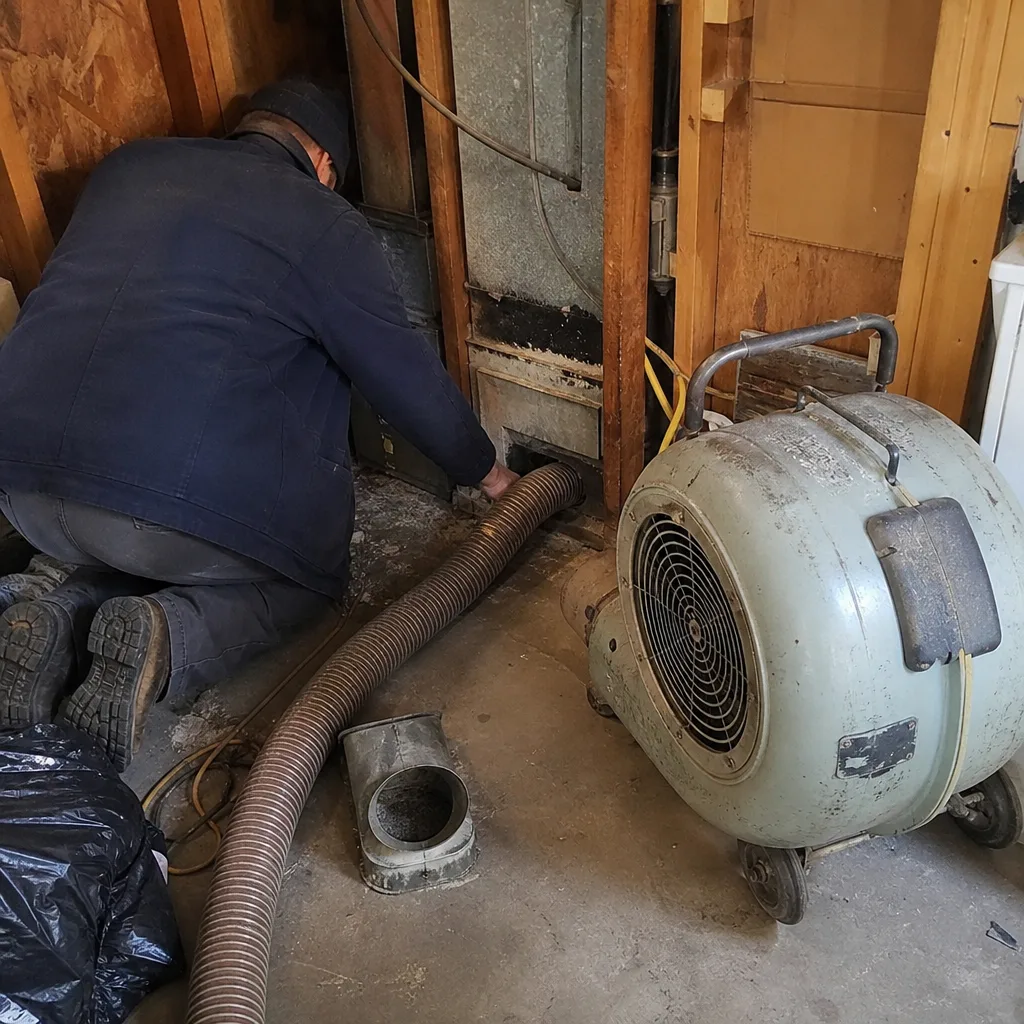 Before
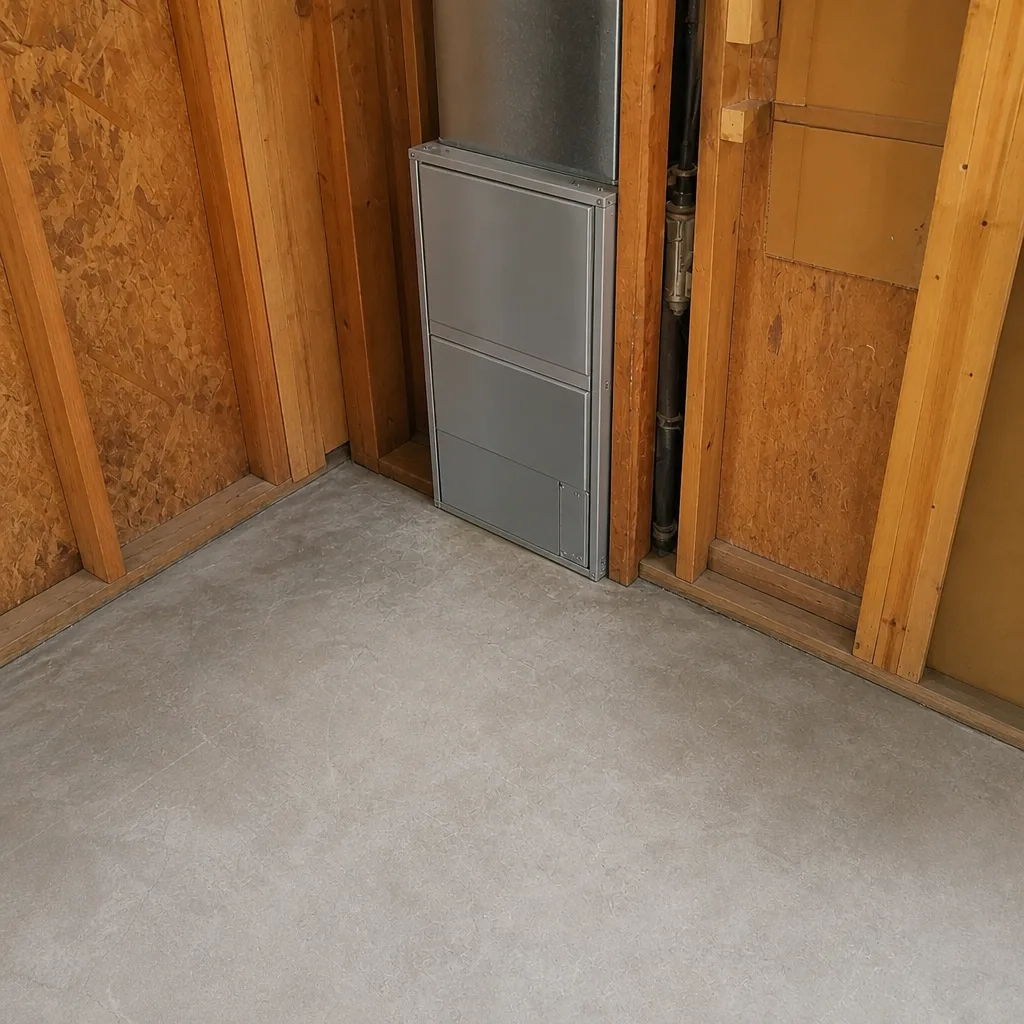 After
 Before
 After
When to Call a Professional
Call for a professional assessment when your annual register inspection shows moderate or heavy buildup, when a filter clogs in under two weeks, or when any post-event trigger has happened. A renovation, a water intrusion, or a system replacement each reset the clock, and the professional inspection is what confirms the current state of the system. A persistent musty smell coming through supply registers during heating season is also a signal, not a nuisance. If your scheduled interval has passed and you’ve never had the system professionally inspected, that’s the moment to start.
Duct Cleaning Elgin offers free estimates in Elgin. Call (855) 393-2846. We answer 24/7. Fast dispatch from 7am to 7pm, Sunday through Friday. Technicians use professional-grade equipment on every job, so you know the work is done with real contact cleaning and HEPA-rated extraction, not a shop vac and a promise. Written estimates are provided before any work begins.
Frequently Asked Questions
Most Elgin homes fall between every three and five years, but the exact interval depends on pets, occupants, HVAC runtime, and recent construction. A home with multiple pets and a recent renovation should be cleaned every eighteen months to two years. A low-load home can go three to five years. Water intrusion, a system replacement, or a renovation is a post-event trigger that means cleaning now, regardless of interval.
Yes, primarily through humidity, not temperature. The spring warm-up and fall cooldown are the two windows when condensation risk and debris pickup peak. An annual visual inspection of the supply registers is best done in May or October, right before each seasonal HVAC transition. That timing catches early buildup before it reaches the return plenum.
Vacuuming registers keeps the visible surfaces clean but doesn’t touch the duct walls, the return plenum, or the main trunk. What a register vacuum can do is clear surface dust so your annual inspection reads clearly. That’s a useful supplement between professional cleanings, not a substitute for one. The debris that drives air quality lives further inside the system.
The best signal is a filter that clogs in under two weeks, visible matted buildup on duct walls at a supply register, or a persistent musty smell from the registers when the furnace cycles. Any one of those is enough to justify a professional assessment. A free estimate will confirm what’s actually in the system.
Plan on a professional cleaning after the dust has settled, which usually means once the final painting is complete and the air has had a couple of weeks to move dust around. A second cleaning six to twelve months later is a sensible option for a large renovation. Drywall dust keeps settling out of the air for months.
Quotes vary because the work varies enormously. The lowest quote often reflects a single-access-point vacuum that doesn’t contact-clean the duct walls. A professional cleaning with rotary brush contact cleaning and HEPA-rated extraction is a different category of work at a corresponding price. If you want a clear quote for what your system specifically needs, call (855) 393-2846. Estimates are free, and the written estimate sets the price before any work starts.
The Bottom Line
There’s no universal cleaning schedule. There’s a default you adjust based on four load factors, a filter you actually read, an annual register inspection that logs the pattern, and three post-event triggers that reset everything. On top of that sits Elgin’s spring and fall humidity, which is why the inspection window matters. Together, those five things give you a real schedule, one that reflects your specific home instead of a rule designed to fit the average. The client who ends up ignoring buildup until it’s a problem isn’t the one who forgot the calendar. It’s the one who was handed advice written for someone else’s house.
Duct Cleaning Elgin uses Rotobrush rotary brush contact cleaning, Nikro HEPA-rated extraction, and Abatement Technologies containment on every job. We also work with and install Honeywell and Aprilaire air quality products, so the maintenance schedule doesn’t just track the system, it improves it. If you’re in Elgin and want a professional read on your schedule, call (855) 393-2846 for a free estimate. We answer 24/7. Fast dispatch from 7am to 7pm, Sunday through Friday.
Written by the team at Duct Cleaning Elgin.